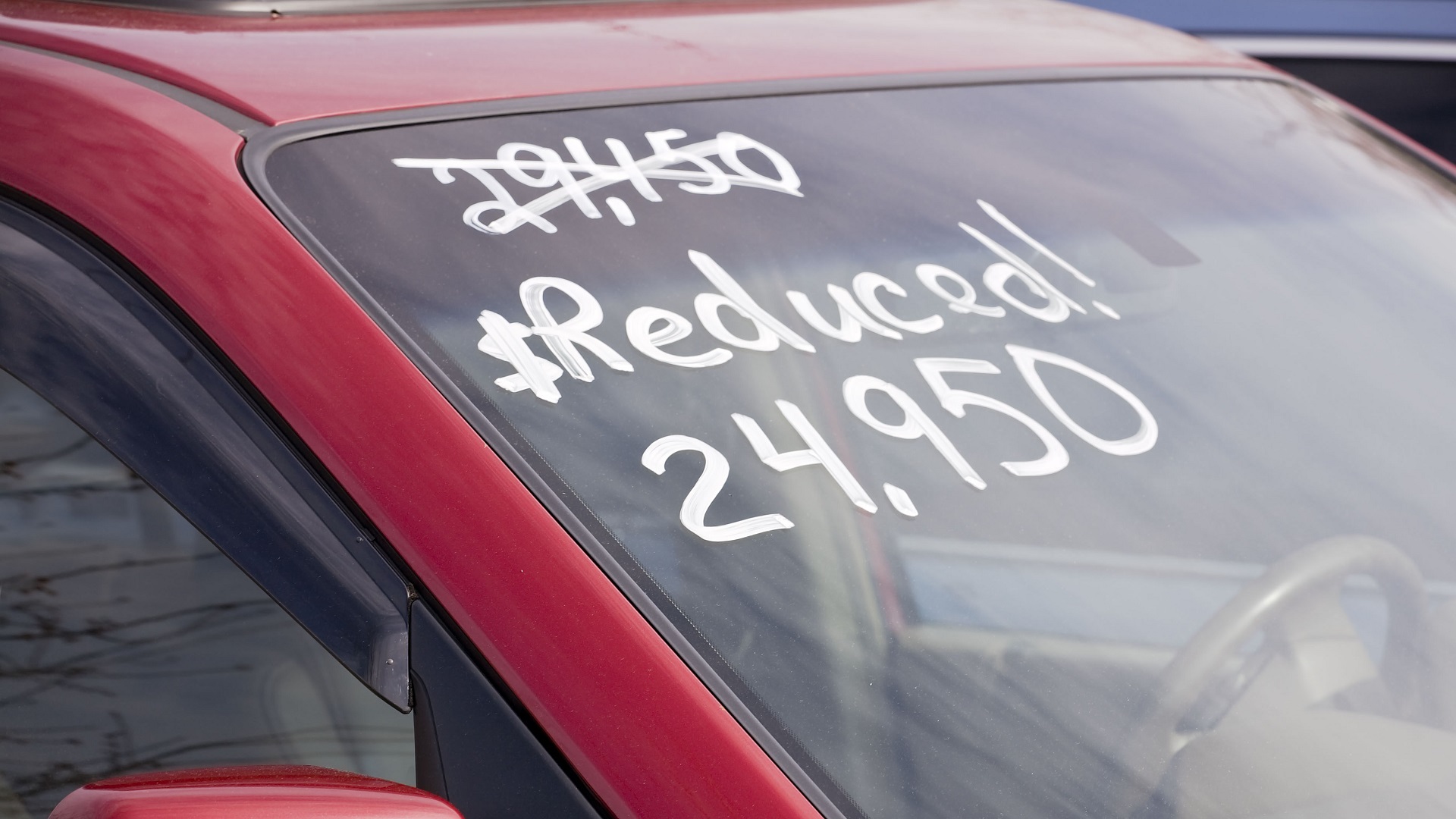
There were plenty of turbulent moments – and a few pleasant surprises – in 2009. We saw foreclosures and unemployment rates hit highs we hadn’t seen in decades – or ever. On the other hand, we saw the stock market bounce back and the Fed committed to lowering mortgage and bank loan rates to help push the economy forward.
After so many ups and downs, one can only wonder what will happen in 2010. To get a little insight, let’s take a look at a little of what’s expected starting in the New Year.
Job Outlook: More of the Same
There have been a number of predictions regarding the 2010 (and beyond) job outlook. Some say that jobs will remain steady, while others predict that the unemployment rate may go as high as 11 percent before it really starts to turn around. So far, the rate has dropped from 10.2 to 10 percent nationally, which is a sign that things may be moving in a better direction.
In December, President Barack Obama held a job summit to discuss how various industries could begin creating jobs. In addition, he’s pushing for a new stimulus package that he believes will help fund new job creation projects and get working Americans back on their feet.
Housing Market: Rates Stable, Home Prices Down and Foreclosures Up
As for the housing market, let’s take a look at what’s already been thrown out there by financial experts and government agencies. First, the Federal Reserve has already told us that rates will be held low for quite some time (however, some are predicting that the Fed might change its mind soon). This means, mortgage rates could stay below five percent long enough for homeowners to take advantage of the home buyer tax credit extensions granted until the summer.
Of course, it doesn’t hurt that home prices are still low as well. And they are predicted to shrink by as much as 11 percent in 2010. The only problem with the low home prices is that many homeowners are still underwater – one in four to be exact. And there are many more who simply lost their jobs and have defaulted on their mortgage.
This means that, unfortunately, the foreclosures we saw in 2009 are not likely to go away in 2010.
Credit Card Rates to Stabilize, Fees May Increase
Thanks to the Credit Card Accountability, Responsibility and Disclosure (CARD) Act of 2009, also known as the Credit Card Bill of Rights, some major credit card adjustments are on the horizon for 2010, including the stabilization of rates. Or at least, that’s what the guidelines say.
Here are some expectations of banks and other credit card issuers as a result of the Credit CARD Act:
- Rate increases will require proper notification: Credit card companies will only be allowed to increase interest rates on future charges to a balance – not past debts – and only after proper notification has been sent out.
- No rate increases for unrelated late payments: Companies will not be allowed to raise interest rates if a consumer was late in making an unrelated payment (i.e. separate credit card).
- One-year guarantee on rates: General rates must be extended to a cardholder for no less than a one-year period.
- Promotional rates: Promotional rates (aka teaser rates) must stay in effect for at least six months.
Banks will also have to abide by fee restrictions, including only one over-the-limit fee per billing cycle, eliminating fees for paying online and bank delays and getting rid assessing penalties based on both previous and current balances (double cycling). However, even with these adjustments, credit card companies have learned new ways to charge fees, so watch out.
Energy Costs on the Rise
There was a lot of talk about preserving energy in 2009. The “Cash for Clunkers” program encouraged drivers to buy energy-efficient vehicles and homeowners were encouraged to green-proof their homes.
The extra attention given to energy could be partially because energy costs are expected to rise in 2010. According to recent economic data, energy costs are expected to rise pretty much across the board:
- Gasoline is expected to go up 30 to 40 cents per gallon
- Natural gas is expected to increase by 15 percent
- Heating oil is predicted to go up 25 cents per gallon
The only form of energy that is expected to decrease in cost is propane, which is expected to drop about 10 cents per gallon due to plentiful supply.
The good news is that there are numerous initiatives to help save on energy costs, including the proposed “Cash for Caulkers” program that could reimburse homeowners for their energy upgrades. In the meantime, however, it’s good to learn ways to go green so that you could save costs in 2010. Also, it’s a good idea to go for the smaller cars to help cut gas costs.
Money Growth – Stock Market, Savings Accounts and More
There’s no doubt about it. We virtually watched interest rates plummet for various deposit accounts in 2009. In fact, the only redeeming account seemed to be reward checking where rates stayed intact and some even increased a bit.
But after pressure was applied from the Federal Reserve for banks to lower rates, we saw the best checking rates start as high as 6.01% APY and drop numerous percentage points. On the flipside, we saw the stock market bounce back with some decently impressive numbers.
So what is 2010 to bring?
Some say that the stock market will see some volatility in 2010, but will still have some nice returns by the end of the year. As for deposit accounts, unfortunately, it looks as though experts believe rates will hold at 0.50% until at least July 2010 and possibly rise as high as 1.00% by the end of 2010. But the good news is that, despite these lower rates, you could always find competitive rates as high as 7.00% APY for a savings account if you know where to look (hint, hint).
In Conclusion …
The outlook doesn’t look as bad as some predicted in the onset of 2009. In fact, some believe the economy as a whole will begin bouncing back quite nicely with initial U.S. growth at around 2.5 percent.
So what do you think will happen in 2010? Now’s the time to make your predictions … we want to hear from you!