A recent report from General Motors Co. has found that U.S. auto industry sales rose at the strongest pace this November since much of the industry fell apart after the financial crisis. The automaker estimated sales rose at a 14 million annualized pace, which is up from 12.3 million a year ago.
After years of struggle, it appears that the auto industry could be making a strong comeback.
Ironically, the increase in sales landed at the same time that they typically increase for the year, during the same month as Black Friday. Could this sudden increase be a side effect of the normal rise in sales during this time of the year, or is the auto industry truly showing signs of recovery?
U.S. Auto Industry Sales See Greatest Increase in 2 Years
As noted in the General Motors report, the auto industry has had an increase in sales that hasn’t been rivaled since August 2009. Between GM, Chrysler and Nissan, November car sales were stronger than they have been in years.
This increase is good news for automakers in Detroit, who suffered especially significant losses in 2008, at the height of one of the worst financial crises since the Great Depression. Buying new vehicles wasn’t an option for most people.
However, last month’s auto sales exceeded everyone’s expectations. Even with the average vehicle sold for $30,317–up 4 percent from last year–buyers were ready to take on new car loans in droves. Not to mention that according to the Associated Press, as of this summer, there had been a 12-percent increase in workers employed by the auto industry.
So what brought on the auto industry’s sudden fortune? Some think the increase in sales could have been at least partly the result of the traditional increase in sales that occur every November.
November and December Are Best Months for Auto Sales
Because the GM report highlighted the increase in sales during a month when sales traditionally increase anyway, some wonder whether the industry is really recovering or the increase was simply a stroke of luck.
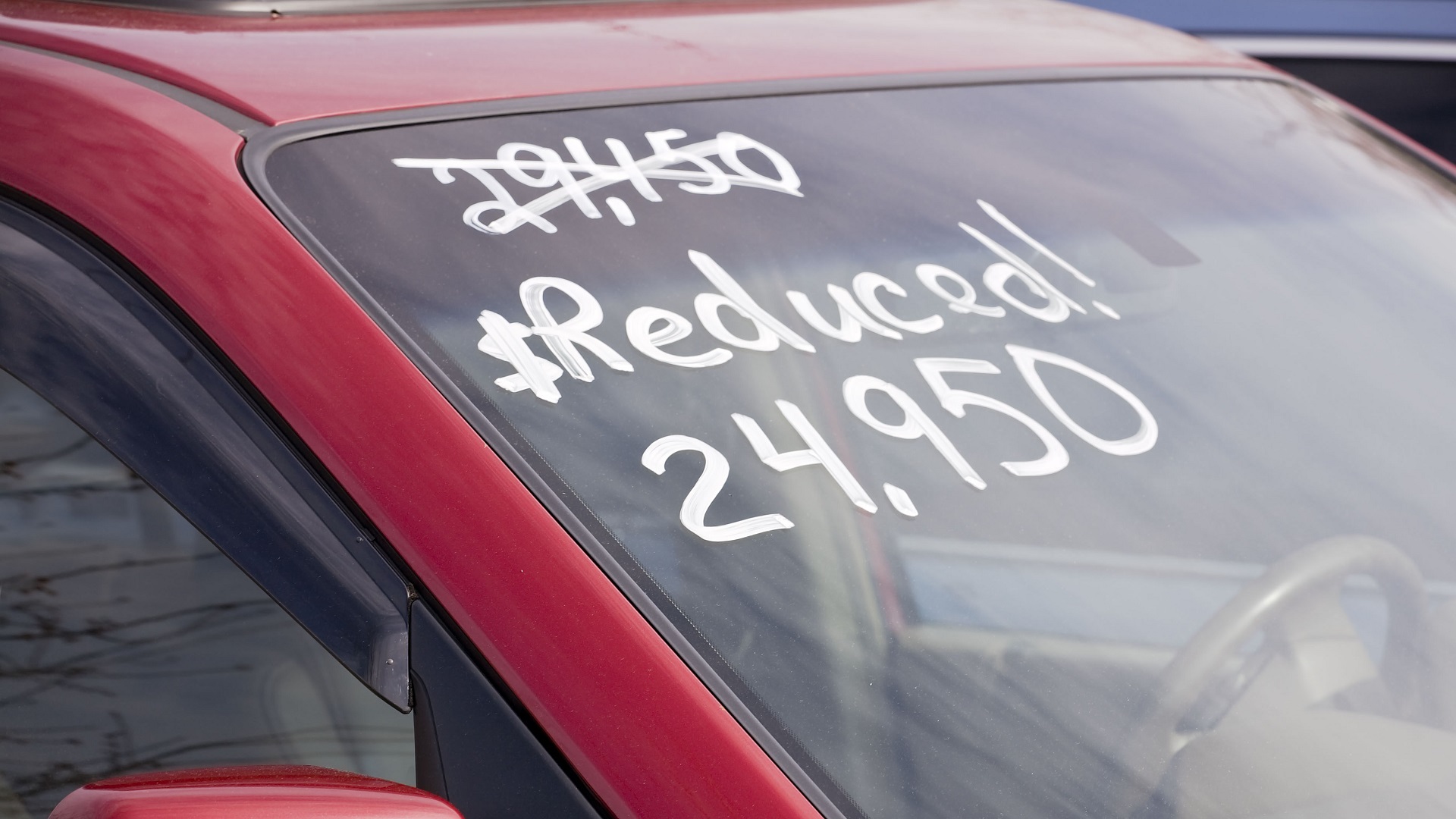
Many consumers don’t realize that because November and December are well-known shopping holidays, auto manufacturers and individual car dealerships spend a lot of time coming up with great deals and offers.
In 2009, a report from Truecar.com revealed that Black Friday auto discounts are typically much deeper than other times of the year because dealers know shoppers spend more freely during this time.
Dealerships also are working to get the current model year’s vehicles off their lots by Dec. 31 to make room for new inventory, so they increase financing deals and other rebates to lure in customers.
Since sales traditionally increase during this time of the year, it’s possible dealerships saw a spike in November car sales because they were destined to increase anyway. This particular Black Friday saw a 7-percent jump in total sales (nearly $1 billion) from a year ago to $11.4 billion. According to ShopperTrack, this is the largest amount ever spent on that day.
Couple this with the rise in Cyber Monday sales, which reached a record of $1.25 billion, along with sales for the 2011 holiday season (which as of Dec. 5, have reached $18.7 billion in online shopping alone–a 15-percent increase over sales during corresponding days last year), it’s evident November 2011 sales have been great across the board.
Is the Auto Industry Showing Signs of Recovery?
So with all considered, is it possible that the auto industry is truly making an comeback after years struggle, or were November car sales a side effect of a traditional increase in auto sales along with an outstanding month of sales across most industries?
The test is likely to come in December when, traditionally, an increase in autos sales usually continues. Some experts predict that this month won’t see its usual generous deals because November was so successful. Dealers will have a little excess in inventory and will likely have little reason to offer the sizeable deals of years past, creating an even greater test for the auto industry.
If there is truly a heightened interest in buying cars, it’s likely people will keep buying even if the amazing year-end deals don’t occur.
What’s interesting is that car makers enjoyed an increase in sales last month even though they offered only $2,253 in incentives per car sold, which was an 8.6-percent drop from last year and represents the lowest average November spending since 2002.
It appears consumers are feeling better about spending money, and while it’s possible the auto industry is indeed recovering, it will be hard to tell whether holiday shopping is impacting increased sales until the season is over.