The Pros and Cons of Replacing Credit Cards with Smartphones

Posted in Credit Card Rates

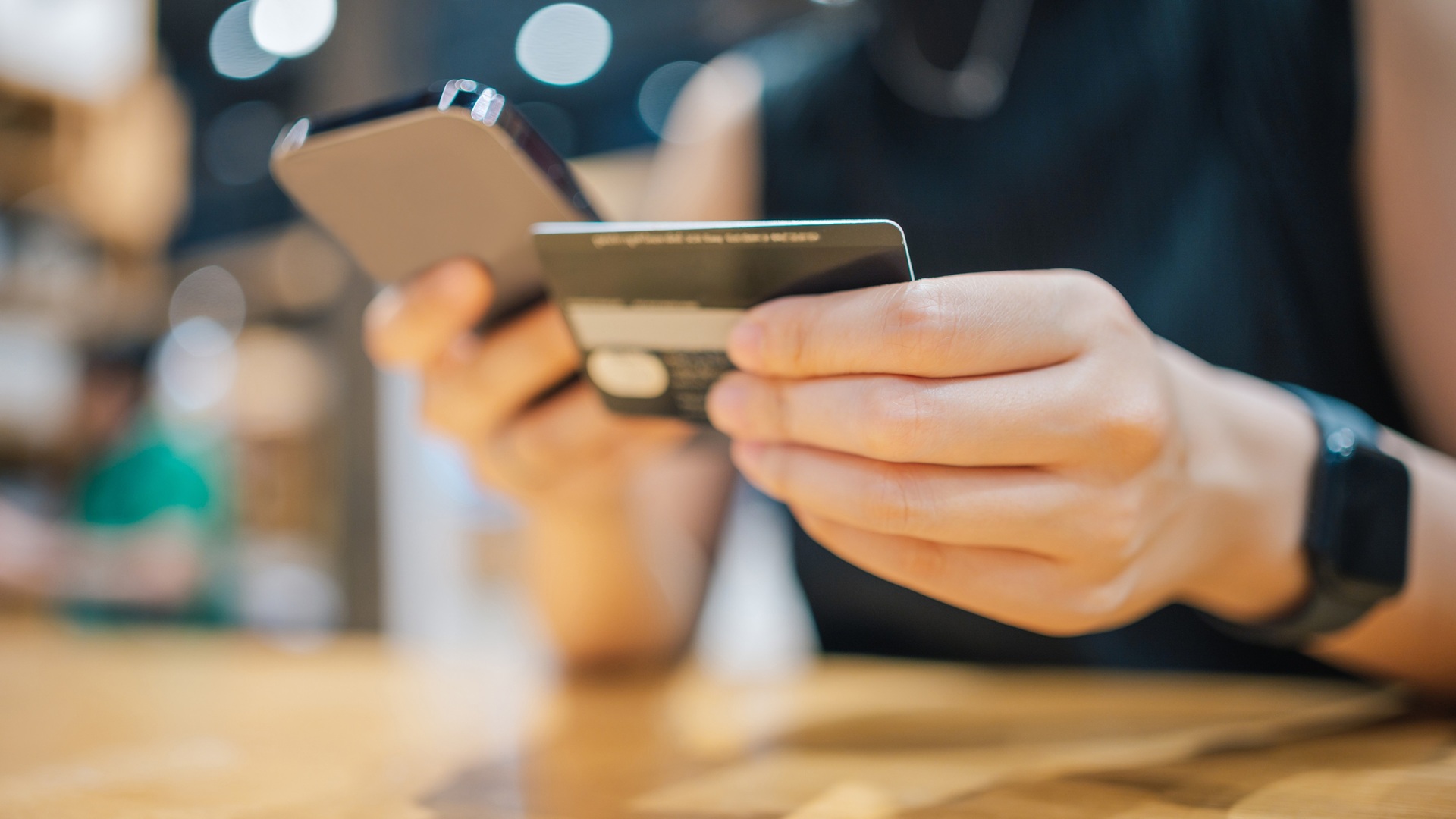
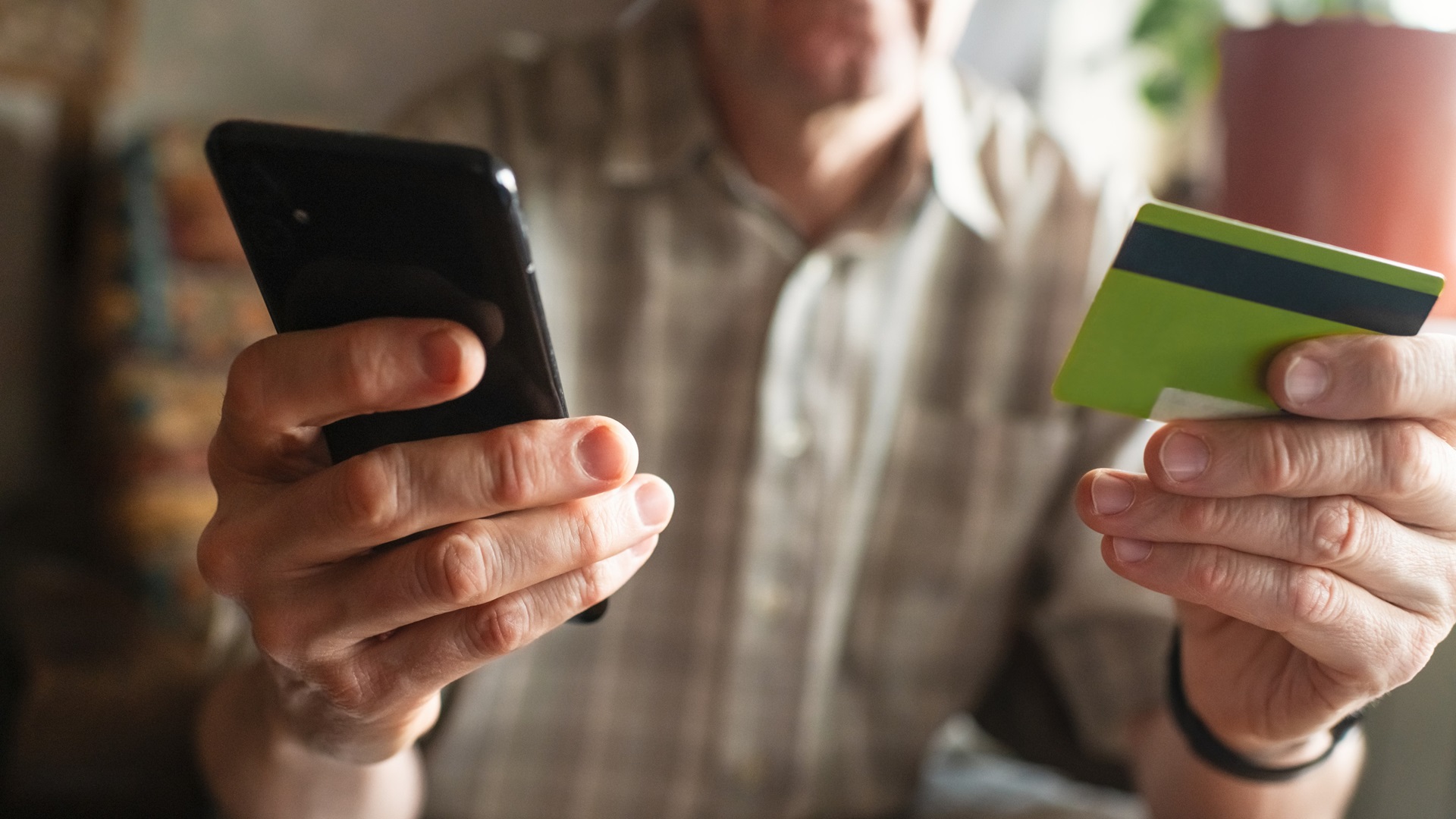
Not surprisingly, few people are without an iPhone, Blackberry or other smartphone these days. Making calls is just one small fraction of their total capability, and users now rely on their phones for everything from sending e-mails to employing GPS navigation and even making purchases. However, even the way in which we shop using a cell phone is changing. It’s not just about buying items through a retailer’s website or paying with your credit card by phone; now you can actually use your mobile device as your credit card.

The Rise of M-Commerce and How it’s Turning iPhones into Credit Cards

Mobile commerce, or m-commerce, is the term for transactions conducted through a mobile device like a smartphone. Basically, it’s a division of e-commerce where your phone, not your computer, serves as the gateway to retailers. The newest development in m-commerce is the ability to wave a phone instead of swipe a credit card when buying something.

How It Works

Blaze Mobile is one of the first companies to lead the way in m-commerce “contactless payment.” Last year, they released the PayPass mobile payment sticker for MasterCard, which can be waved in front of any merchant terminal to charge your prepaid MasterCard account.

Stickers like the one used for PayPass house a radio frequency identification, or RFID, tag (normally found on your credit card’s magnetic strip) that is linked to your bank or credit card account. Affix this sticker to your keychain or phone, and you can shop while leaving your wallet at home.

iPhone 5 to Make Contactless Payments Standard?

PayPass was just the beginning of contactless payment development, though, and the technology is still in its infancy. Apple, however, is working on taking phone credit cards to the next level.

Last month, Visa Europe and Wireless Dynamics Inc. announced they had developed a mobile contactless payment device for European iPhone users. It requires users to attach a Wireless Dynamics iCarte accessory to their phones, download the companion app and voila, the iPhone is also a credit card.

It’s also rumored that Apple is planning to build the iPhone 5 with a Near-Field Communication chip in place, making the credit card functionality possible without the need for an external attachment. Of course, it is purely speculation at this point.

Advantages of Using a Phone in Place of a Credit Card

One of the big reasons behind why we continue to develop any new technology in general is the added convenience it brings us. In the case of smartphone credit cards, you don’t have to worry about fishing through your purse or wallet for your card when it’s time to make a purchase. Most people are already surgically attached to their phones anyway, so all it takes is a swipe of the hand at the register.

However, other than shaving a few seconds off your checkout time and the overall cool-factor involved, there isn’t much else in the way of benefits that this feature has to offer. Let’s now take a look at the possible disadvantages of relying on a phone credit card instead of traditional plastic.

Drawbacks to Credit Card Phone Capabilities

Credit cards were specifically designed link financial transactions to your accounts, while phones were originally intended for, well, making phone calls. That’s why a few issues arise when you start using your phone in place of your card, including:

Lose Your Phone, Lose Your Money: If you’ve ever misplaced your wallet or had it stolen, you know what a hassle it is to call up all your banks and creditors to have your cards canceled. Well, just imagine if your phone went missing. The credit card functionality makes your accounts immediately accessible to whomever ends up with your phone next, but they probably won’t have to show an I.D. to swipe a purchase.

Increased Opportunity for Skimmers: Skimming, the practice of stealing personal financial information from credit cards, has been around for a while, but credit card skimmers have found a way to get their hands on this data even easier. By simply having an RFID chip on your person, skimmers can pull your card number and more without ever touching or even seeing your phone.

Like most smartphone capabilities, contactless payments will probably become the norm in the future. However, before you jump on this newest trend in phone technology, consider whether you’re willing to trade a new world of risks to your finances for a little added convenience.

2 Responses to “The Pros and Cons of Replacing Credit Cards with Smartphones”

  1. Ipodpinjim says:

    Everything has it’s positives and negatives. The ones listed here are a bit weak.
    “lose your wallet” goes as does lose your phone. People these days would notice a missing phone more quickly.
    As for skimmers, most credit cards already come with an RFID chip. They just don’t always tell people. Break out the IRON wallet!

  2. PaymentsGirl says:

    You mentioned that if the phone went missing your accounts are immediately accessible to whomever ends up with your phone next. That’s not necessarily correct. Any electronic wallet on a phone would be secured by a pin number, separate from the pin or unlock pattern for the phone itself. So if the phone is lost and the person who finds it is able to unlock the phone, they wont be able to access the wallet without the unique pin.

Leave a Reply

AdSpeed – GBR – Default – Articles – RR2 Financial Resources Right Rail
AddThis Trending Article Widget
Blank Space

FB Like Box