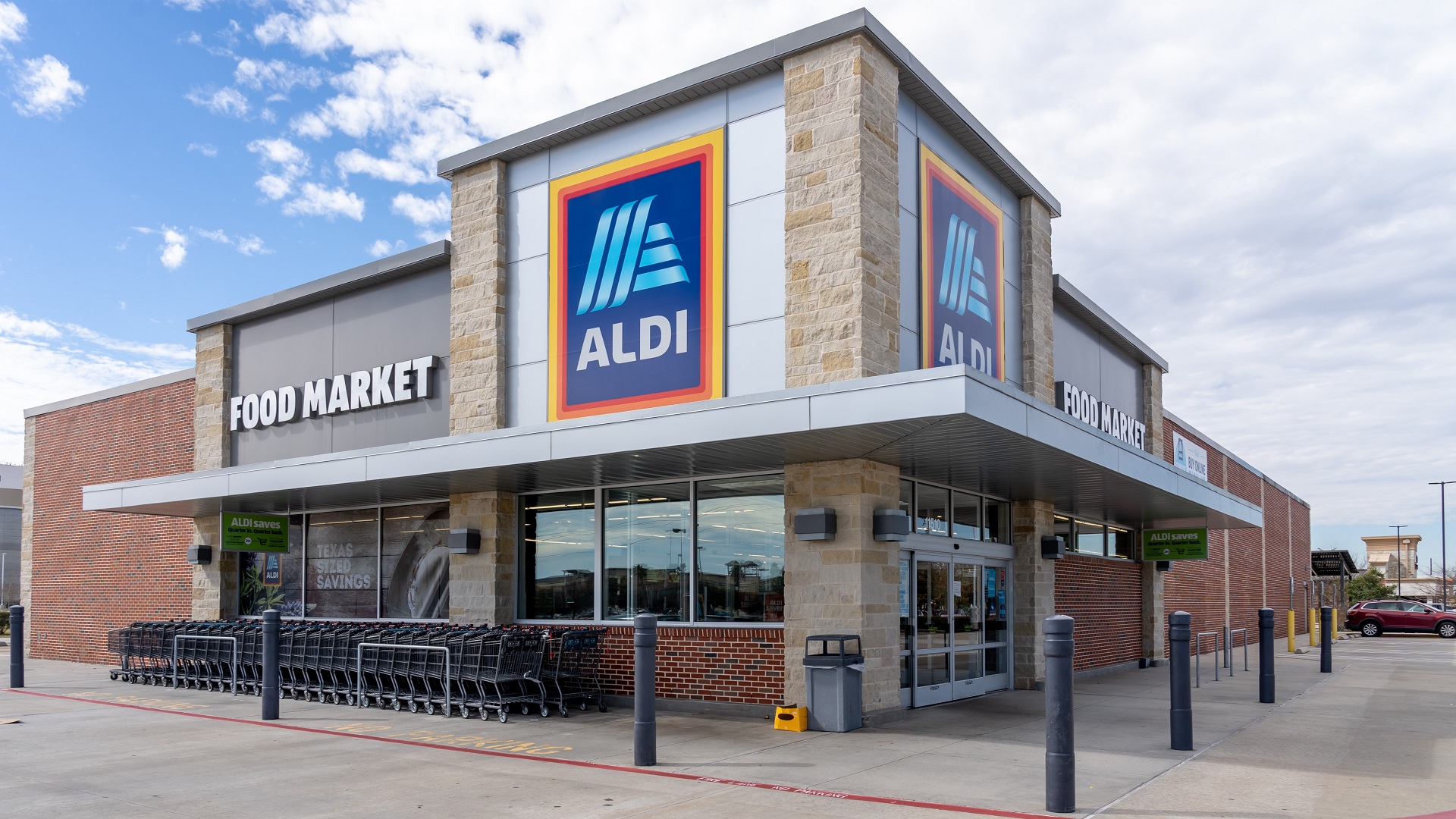
Layaway is making a comeback, but don’t fall victim to its false allure. Layaway stores use phrases like “the easy way to pay” and “flexible payment options” to trick shoppers into the costly entrapment of layaway programs. Promises to save money are empty and unfounded.
How Stores with Layaway Profit from Your Losses
Stores spin layaway programs to appeal to shoppers who might otherwise have difficulty affording holiday purchases. Stores with layaway programs target people with bad credit–people who fear incurring further debt or don’t have high enough credit limits. In other words, layaway preys on those who are struggling most.
The process is deceivingly simple: Grab your item, take it over to the layaway department, make a down payment and sign up for a payment plan. Once you pay off your purchase in full, you can take your item home, stuff it under the tree and give Santa all the credit.
That would all be fine and dandy if you only had to cover the actual cost of your purchase. However, as retailers are motivated almost purely by profit, they rarely operate without incentive.
When you make your down payment (10-25 percent of the total), you also have to cough up cash for a “layaway fee.” Unlike the down payment, the layaway fee does not actually go toward paying off your purchase total. It’s money you pay simply to use the layaway program, money that does not add to the financial value of your gifts.
The fee charged by layaway stores is generally $5-10 (or 5% of your total at Best Buy). It is a complete and utter waste of money, a substantial chunk of change better spent on candy canes or stocking-stuffers. If you change your mind and back out of your payment plan, the layaway fee is non-refundable.
Along with having blown unnecessary cash on a layaway fee, prematurely terminating your payment program will also invoke a nasty cancellation fee. The cancellation fee generally runs $10-15.
Rather than buying on credit and making a return for a full refund, changing your mind on a holiday purchase can easily set you back $20. If you’re going to participate in a layaway program, you have to be absolutely certain of your purchases weeks before you actually need them. That can get a little tricky, especially if you’re buying for a fickle fad-frenzied 8 year old trying to stay up-to-date with the latest marketing craze.
Layaway Versus Traditional Credit
There is absolutely no reason to choose layaway over all other payment options. Let’s compare using layaway plans versus credit cards:
Say you want to make a $200 purchase at Toys ‘R’ Us–they charge a $10 layaway fee. If your payment plan lasts 6 weeks, which is typical, that’s equivalent to using a credit card with an APR around 40%. Even if you have bad credit, chances are you’re paying half that; even penalty APRs usually don’t go that high.
Layaway Alternatives: The Better, Easier Way to Pay
Credit unions are an excellent place to find credit cards for bad credit. They offer deals tailored to fit the needs of local clients. Because credit unions are not-for-profit organizations, they have the ability to offer greater customization and properly take care of their members. Credit unions also offer a lot of high-yield checking accounts where you can earn interest as you save.
If you want to avoid banks, credit unions and credit cards altogether, get a piggy bank. Seriously. Instead of subscribing to someone else’s payment plan, establish your own and make deposits to yourself. You won’t lose money to fees, and if you change your mind, you’re free to use your money as you please.
There are plenty of free options for saving up for holiday purchases. Don’t be fooled by the cheap trickery of profiteering retailers. Take charge of your finances and stay away from layaway!