There are many events in life that require the answer to the question: Are you ready? One of the biggest is buying a house. This huge financial investment requires a lot of thought behind the decision to take the plunge, including finding the best mortgage rates and saving enough to make the required down payment.
Are You Financially Ready to Buy a House?
It’s hard to know for sure whether you’re ready to buy a house until you’ve thought through the entire process, but you should feel fairly confident in your ability to become a home owner if you have done the following things:
You Have Set a Realistic Price Range
Before you truly get started on your search for the house you want, it’s important to ask yourself how much home you can truly afford. This determination depends on a number of factors, including how much the bank is willing to lend you, the maximum payment you can make each month and the length of your mortgage term.
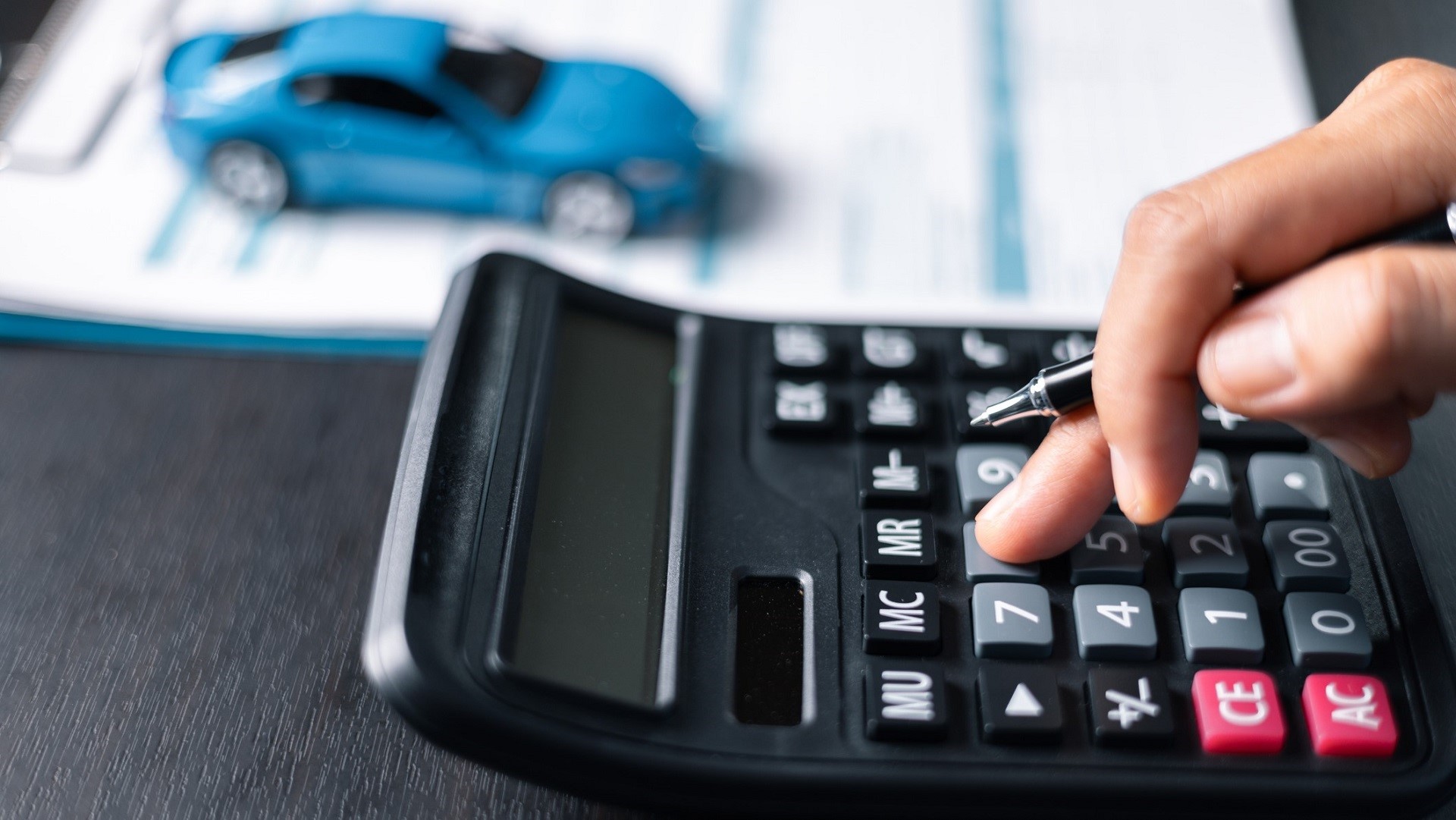
To get a quick estimate of how much your monthly payments are likely to be, based on the total cost of the home, your mortgage term, interest rate and whether you’re under a standard repayment or interest-only contract, you can use a mortgage calculator.
You can also get a pre-approved mortgage from a specific lender. This is basically is a letter of approval that says you can obtain a home loan for a certain amount over a specific time frame.
Your Down Payment Is at Least 20 Percent
Your down payment is a huge factor in whether you can afford to purchase a home. Traditionally, mortgage lenders ask that you provide 20 percent of the total cost of the home as a down payment before they will lend you the rest of the money for the home you want.
However, if you don’t have enough saved for a down payment, there are other options to consider.
For instance, the Federal Housing Administration (FHA) offers a mortgage loan that is insured against default. The administration backs the loan so the lender won’t have to write off the loss if the borrower defaults. In this case, borrowers are able to make a down payment as little as 3 percent.
Another option for borrowers to consider is home mortgage insurance. With this type of insurance, a borrower is able to place less than 20 percent down on the mortgage–usually in the ballpark of 10 percent. But the catch is that you must purchase mortgage insurance to cover the lender who will now issue a loan for 90 percent of the purchase price of the home.
Your Credit Allows You the Best Mortgage Rates
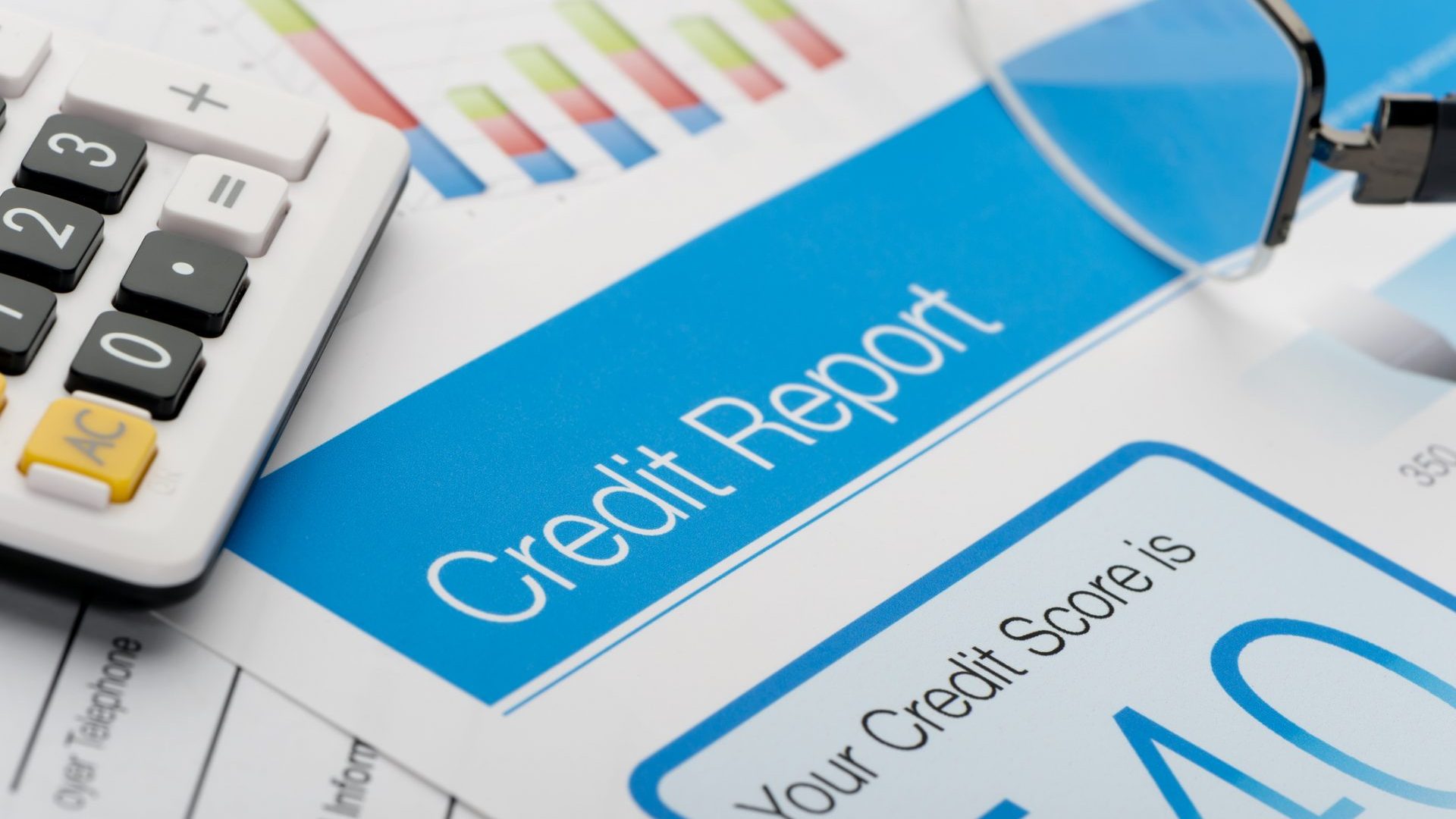
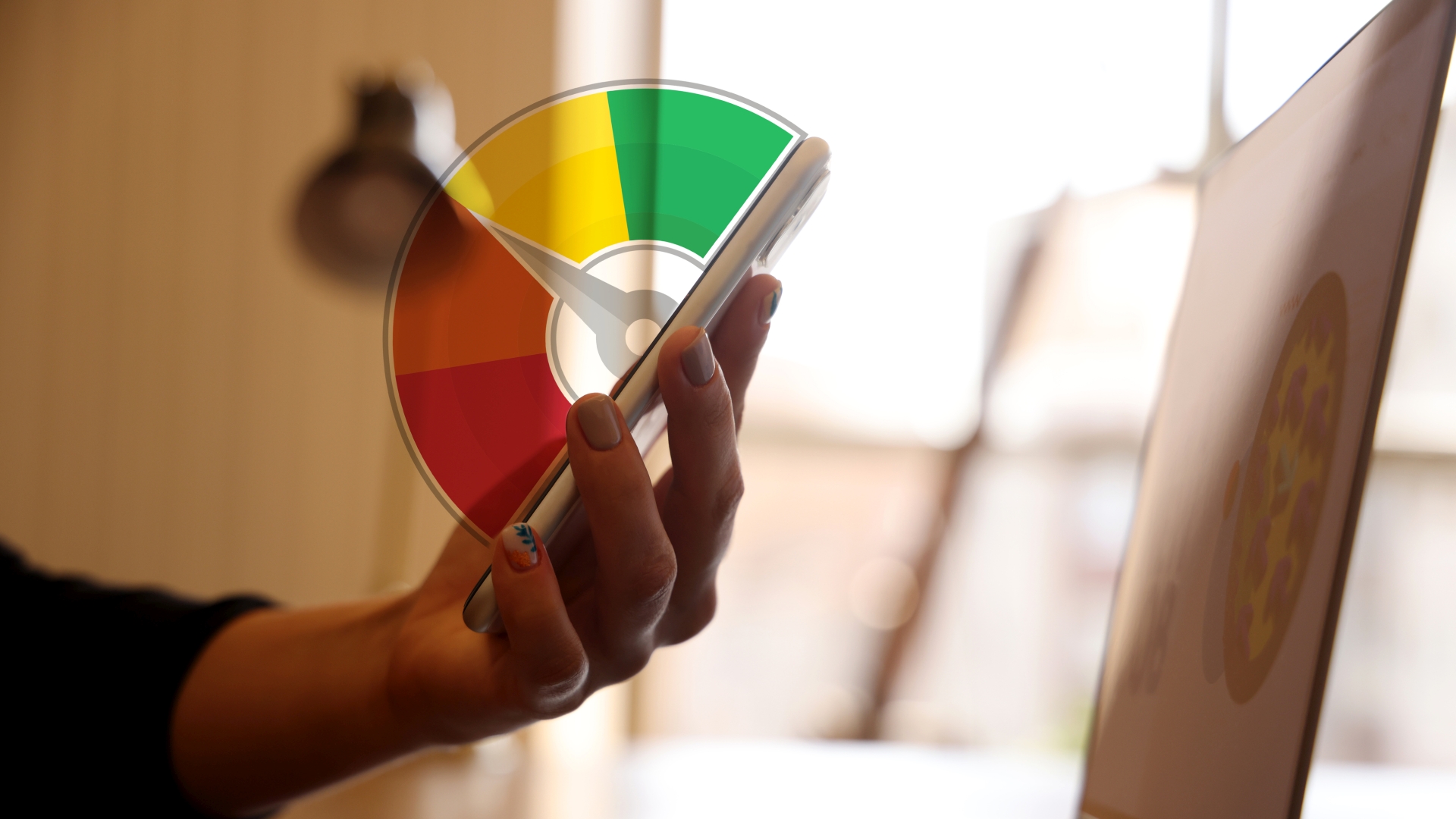
Another major factor to consider when deciding whether you’re ready to purchase a home is your credit and the kind of mortgage rates you’ll be offered because of it.
Typically, a lender will offer you a mortgage if your FICO score is 620 or above, or if you work with the FHA, your score can below 600. You shouldn’t apply for a mortgage with credit this poor if you can help it, though.
Mortgage rates have been at their lowest in history. As of the beginning of Oct. 2011, the 30-year fixed mortgage rate dropped to 3.94% APR–but that rate is only attainable for borrowers with the best credit. If you’re score is too low, your rate could increase to 8 percent or 9 percent, making a loan unaffordable.
You Can Afford ALL of the Related Costs
Many prospective homeowners don’t realize that purchasing a home comes with a multitude of hidden costs. In addition to the down payment and monthly payments, you have to consider the following:
- Closing costs: After you’ve made your down payment and agreed to monthly payments, you’re not done. Closing costs are also essential to the home buying process and can include home warranties, inspection fees, homeowner association dues and title service costs. If a seller is eager enough to let their home go, they may pay the closing costs for you, so don’t be afraid to ask when negotiating the price of the home.
- Property taxes: Property taxes are often a huge expense for homeowners, sometimes costing several thousand dollars a year–and they must be paid to avoid problems from the IRS. Uncle Sam is always more than happy to place your home in tax foreclosure, so be sure to set aside what you need to pay that tax bill.
- Homeowners insurance: If you are paying to finance your home instead of paying for it with cash, you are required to purchase homeowners insurance. This coverage ensures your home is paid for in the event of certain natural disasters or other mishaps, but of course, it comes at a cost that you must be prepared to pay–and it is usually charged monthly with your house payment.
In addition to the above costs, you have to think about further maintenance, lawn care, pest control, desired upgrades, unexpected emergencies and what kids can do to your home. If you’ve looked at all of these costs and think that you have the money and financial security to manage future costs, you may really be financially ready to buy a house.
Buying a home for two? Find out if you’re financially ready to get married or come back next week to learn how to tell if you’re ready to have kids (from a financial perspective, of course).