Fixed Rate Second Mortgages
 Written by
GOBankingRates Staff
Written by
GOBankingRates Staff

Commitment to Our Readers
GOBankingRates' editorial team is committed to bringing you unbiased reviews and information. We use data-driven methodologies to evaluate financial products and services - our reviews and ratings are not influenced by advertisers. You can read more about our editorial guidelines and our products and services review methodology.

20 Years
Helping You Live Richer

Reviewed
by Experts

Trusted by
Millions of Readers
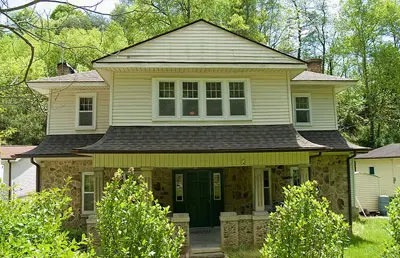 Photo Credit: James Thompson
A fixed rate second mortgage is a subordinate home loan that is secured against your property with a fixed interest rate. Having a second mortgage means that should you default on your loan, your first mortgage would have priority and would be paid before any funds go toward the second mortgage.
Taking out a second mortgage is different from refinancing a current home loan. Refinancing means you have replaced your primary mortgage with a different primary mortgage. A second mortgage is a separate obligation in addition to your original loan that uses your home as collateral.
Second Mortgage Options and Uses
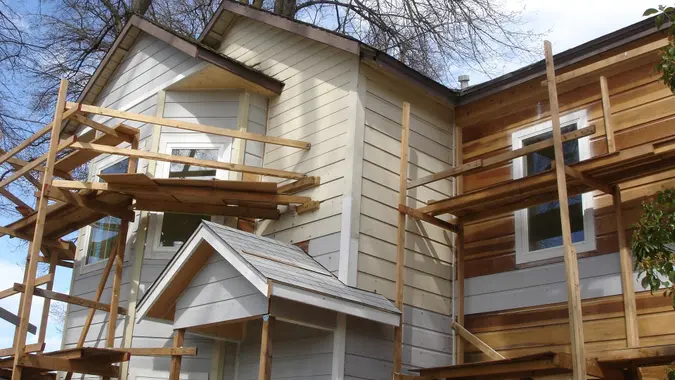
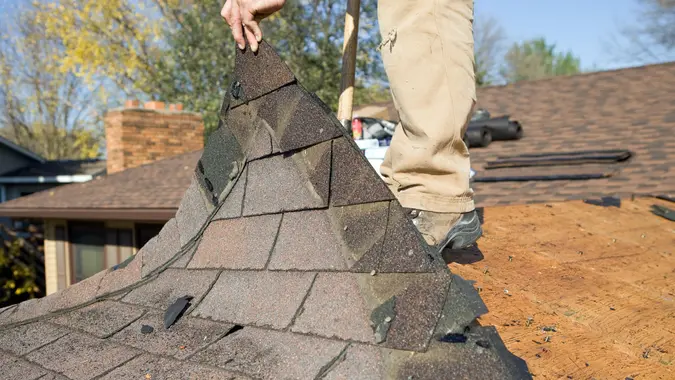
A second mortgage can serve many purposes. It is often used by homeowners who need to finance a major project, such as making a home improvement, consolidating debt or funding a child’s education. While the option is available, borrowers should contemplate the financial advantages and disadvantages of getting a second mortgage.
Some home buyers may use a second mortgage as a piggyback loan to complement their down payment, thus avoiding having to pay Private Mortgage Insurance (PMI), create a line of credit against your home equity or purchase additional properties.
Keep in mind that second mortgages tend to have slightly higher interest rates than primary mortgages, mainly because these loans are considered a higher risk than a primary mortgage. There may also be associated closing fees with acquiring a second mortgage. Even if your primary mortgage is in good standing, unpaid payments on the second mortgage can trigger a foreclosure.
In that case, the bank that issued the second mortgage can purchase the first mortgage, and take over the property. For this reason, a fixed-rate second mortgage may be the safest because it offers predictable and consistent payments from month to month.