What Could Be Worse than Another Recession? How Stagflation Threatens Recovery

Posted in Economy

stagflation

Since the “Great Recession” began, economy anxiety has run high. Some have even speculated that a double-dip recession is on the horizon.

Still, there might be something even worse than that–namely a decade of economic stagflation. While no one has a crystal ball, learning a bit about what certain economic terms mean, as well as some indicators of what is in store, can at least give you the comfort that comes from being informed.

Terminology: Understanding Inflation, Deflation, Stagflation and More

It is useful to first define certain terms for those unfamiliar:

  • Deflation: A decrease in the overall cost of goods and services is called deflation. Mathematically expressed, deflation is when inflation goes below 0 percent.
  • Depression: People often think of the Great Depression when thinking of a depression. Curiously, before the Great Depression, the Long Depression of 1873 – 1896 was referred to as the Great Depression. A depression is any severe and sustained downturn in a national or international economy.
  • Double-Dip Recession: Also known as a “W-shaped recession,” a double-dip recession occurs when the economy never fully recovers from one recession before going into another.
  • Hyperinflation: Inflation that is abnormally high is called hyperinflation. While hyperinflation is a highly subjective term, some define it as inflation at 25 percent per month or more, or over five percent per day.
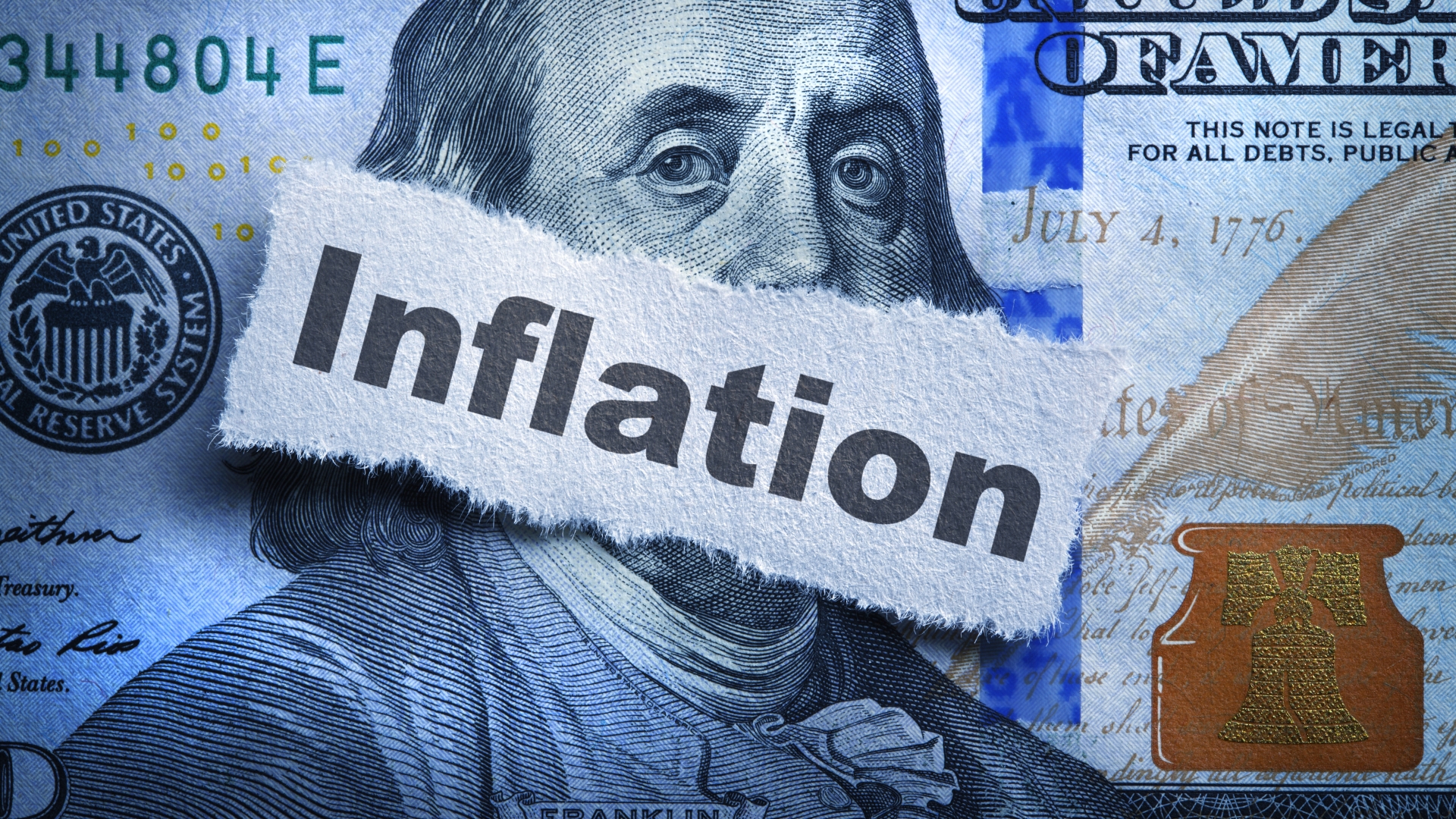
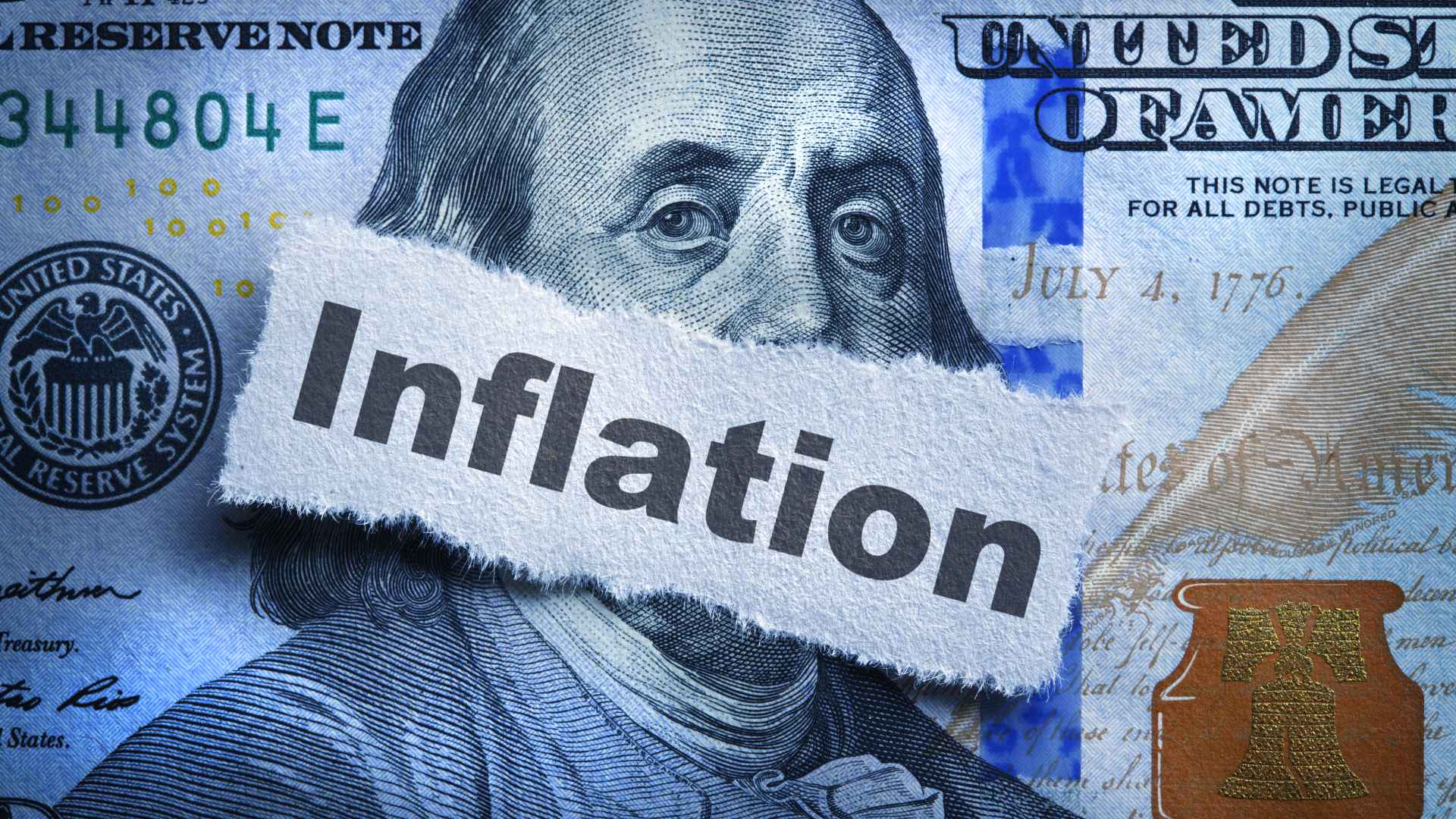
  • Inflation: The reverse of deflation, inflation is a generalized increase in the cost of goods and services over a defined period of time. Core inflation is a term referring to inflation with certain volatile markets excluded.
  • Stagflation: A term coined by Ian Macleod in the mid 1960s, stagflation refers to high inflation rates and sluggish economic growth existing at the same time.

Why a Double-Dip Recession Isn’t the Worst-Case Scenario

A double-dip recession would at least mean some light at the end of the tunnel. In a classic double-dip scenario, the economy would dip further, but eventually see a classic recovery. What many economists are now predicting is an incredibly sluggish recovery lasting the better part of a decade or more.

The Federal Reserve sees protracted stagflation as a more realistic scenario than a double-dip recession. Several major investment banking firms cut their growth forecasts, with J.P. Morgan predicting a growth rate of one percent. Morgan Stanley predicted that government spending cuts related to raising the debt ceiling would have a negative impact on growth.

Long-Term Trends

The horizon doesn’t hold any good news, either. Tyler Cowen, an economist at George Mason University argues in his book The Great Stagnation that the economy is slowing indefinitely because the pace of innovation has slowed.

What’s in store is not another depression or double-dip recession, but a long-term stagflation. The great technological advances and attendant infrastructure growth of the 20th Century is over. New developments in the west are largely tied to the internet and technology, sectors that simply don’t employ as many people.

Stagflation in 2011

While economic growth is predicted at an anemic one percent, inflation stands at a greater number–it has been over three percent since April of this year. A negligible dip of .01 percent in June notwithstanding, inflation has increased every month since April. This is a classic stagflation scenario, though we have yet to see hyperinflation manifest quite yet. Some economists, however, point to hyperinflation in other countries and in limited markets as a sign of things to come.

A New Great Depression?

While some have speculated we are in the midst of another Great Depression, this is not the case. Three things define the Great Depression of the 1930s:

  1. A sharp decline in economic output, to the tune of 25 percent in the United States alone.
  2. Abnormally high unemployment, as high as 20 percent in the United States. Official unemployment rates only skimmed 10 percent, while the so-called “real” unemployment rate is 17 percent. This is an uncomfortable number to be sure, but nothing like the dark days of the 1930s.
  3. A virtual disappearance of the credit system in the United States. Panics led to massive bank failures becoming a way of life during the Great Depression. While some banks have failed during the Great Recession, the Federal Deposit Insurance Corporation (FDIC) provides a calming effect by insuring deposits to a certain amount. This prevents runs on banks and insures personal savings even when banks do fail.

Dangers of Long-Term Stagnation

The dangers of long-term stagnation are largely related to unemployment and jobs. Long-term unemployment is at record levels and many older workers might be hanging on, waiting for their retirement benefits to kick in. Workers in the technology sector and other forms of skilled labor might find their skills eroded as an effect of long-term unemployment, making their situation even direr.

The Great Stagflation

It’s true that America is experiencing an unprecedented period of stagnation. However, leading economists, including those of positions of power, now know how to combat things like deflation, inflation and hyperinflation far better than in the 1930s.

A double-dip recession is not the worst-case scenario, but neither is a new Great Depression. Chances are good that America and the world will see a whole new creature that combines unpleasant effects of both, but without the severity of the latter.

References: Read More About Stagflation

Leave a Reply

AdSpeed – GBR – Default – Articles – RR2 Financial Resources Right Rail
AddThis Trending Article Widget
Blank Space

FB Like Box