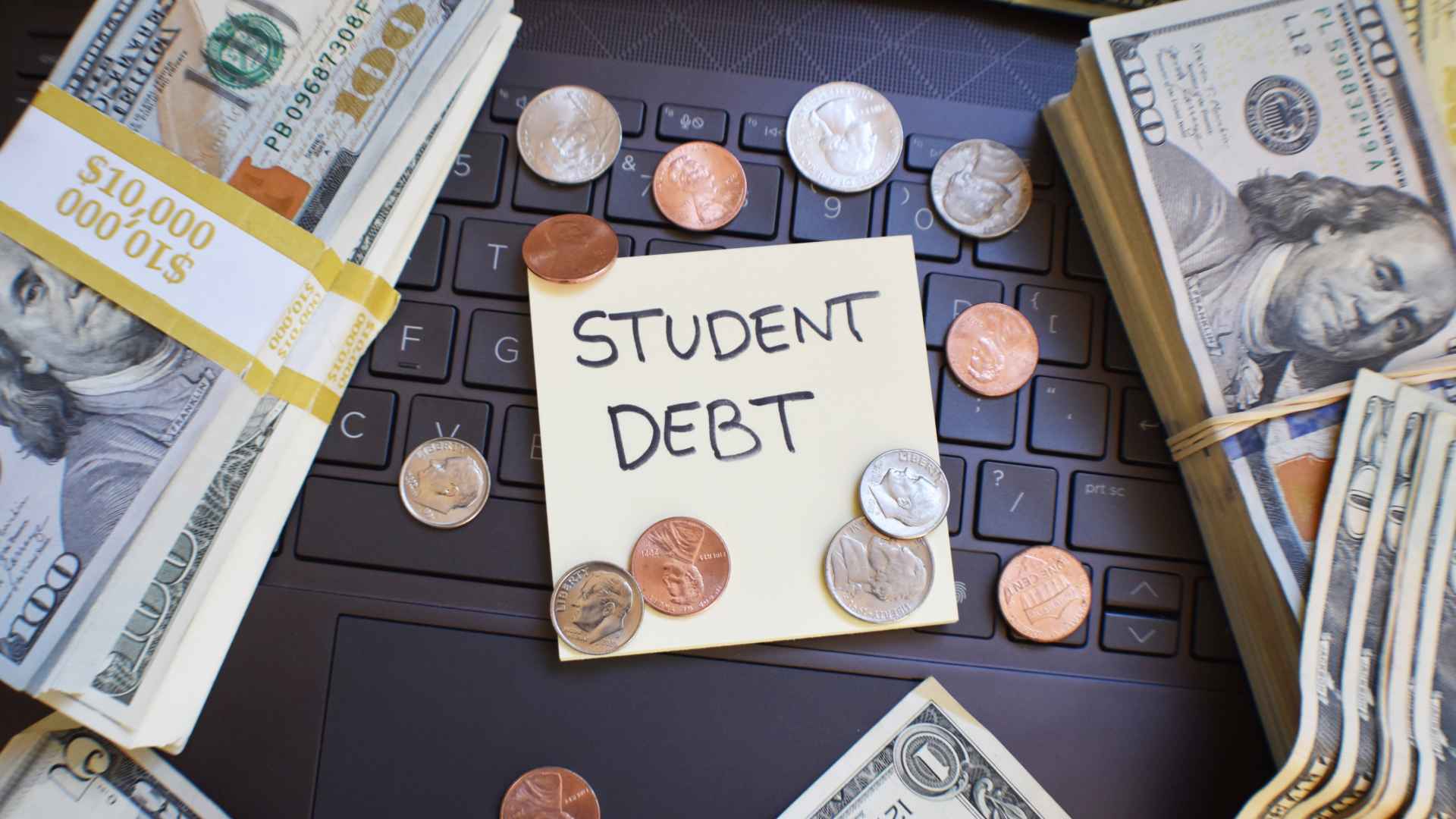
Helping Your College Student Deal with Financial Stress

Posted in Saving Money , Savings Account

college stress


Financial stress is something that adults have grown accustomed to in the past couple of years. After the financial crisis hit in 2008 and the recession affected millions, many Americans realized that their thoughts on money would never be the same.

However, what many adults have not expected is the effect that the recession is having on youth. Even more surprising is the effect that our economy may have been having on the youth for years prior to the recession.

According to recent data, kids are under more pressure than ever, and part of it may be due to their anxiety regarding finances – especially in relation to college and their career. Now, not only are parents dealing with their own financial anxiety, they have to think of ways to ease their children’s anxiety while helping them plan their financial futures in a realistic and responsible way.

Historical Data on Teen and Young Adult Anxiety

A new report from MSN.com looked at a study conducted by researchers at San Diego State University. In the study, the researchers revealed that five times as many high school and college students have anxiety and other mental health issues as those in the same age group who were studied in the Great Depression era.

Dating as far back as 1938, the data confirmed that more students struggle with stresses related to school and life in general than back years prior.

A few specifics of the data, which consists of the responses of 77,576 high school and college students from 1938 to 2007 to the MMPI (also known as the Minnesota Multiphasic Personality Inventory), include:

  • 31 percent of students suffered from hypomania (a measure of anxiety and unrealistic optimism) in 2007. There were only 5 percent suffering from this condition in 1938.
  • 6 percent of students suffered from depression in 2007. This number is up from 1 percent.
  • 24 percent of young people scored high in psychopathic deviation, which is a feeling of having trouble with authority and feeling the rules don’t apply to them in 2007. In 1938, only 5 percent suffered from this.

According to the researchers, some of the numbers in the report may be lower than revealed since so many students are taking antidepressants and other psychotropic medications. The data from the report will be published in a future issue of the Clinical Psychology Review.

What Brings on the Anxiety?

The study explored the idea of finances – and more specifically, having to finance college education -being a major stressor for those in the study. This stress is not without cause.

In September of 2009, it was announced that there would be less financial aid available for college thanks to the recession. Not to mention that private lending is drying up and some that do lend, Sallie Mae in particular, are requiring students to repay loans while still in college.

These factors, all related to college financing, can cause a great deal of stress for students applying to or already attending college. However, there are some other issues that contribute to stress for teens and young adults according to the study:

  • Pop culture: With the influence of pop culture everywhere, young people assume that the wealth and “bling” they see is something they must achieve to be important.
  • Overprotective parents: Some parents have been overwhelming protective of their children, leaving them with few coping skills, including knowing how to manage their own finances.
  • Pressure to succeed:  Some students feel pressure from society or their parents to succeed overall, which points largely to financial success.

When it comes understanding college finance, students either have unrealistic expectations of what they’re due in relation to what they have, or they simply have no idea what finance means in their lives.

How Can Parents Help Their Children?

Unfortunately, parents who want to teach their children that money isn’t everything have their cards stacked against them. It’s hard enough to figure out how to handle day-to-day issues with children without having to know how to teach long-term financial goals that could reduce anxiety.

The frustration of managing money is evident in a Teachers Insurance and Annuity Institute College Retirement Equities Fund Institute study that found 81 percent of parents feel they do a fair or poor job managing their finances. In the same study, less than 45 percent said they make a budget and stick to it.

But the thing is, there are ways to help your children understand how to save and successfully do so.

First, setting up a budget should be a family affair, starting as early as possible. And since the recession has thrown extenuating financial circumstances into the equation, it’s good to teach that it’s possible to save money during a recession (especially since a recession could occur again in the future).

Also, you can teach not just how to save for college, but also how to save while in college. Don’t forget to look for colleges with affordable tuition. And if you’re at a complete loss for what to tell your children about finances, you can teach them the things your parents forgot to teach you about saving money.

The good news is that it’s never too late to teach about finances. Better late than never, right? If you don’t tell them about the realities of money, the realities will hit them sooner or later as they realize high expectations most likely cannot all be met like as they once thought.

By teaching about financial responsibility them early, you increase the chances of reducing their financial stress once they leave the nest.


  • 1 Comments
  • | Share

One Response to “Helping Your College Student Deal with Financial Stress”

  1. [...] economic difficulties and there are many people willing to assist in reducing stress. Additionally, continuing to seek out assistance in managing this stress will be extremely beneficial. If financial trouble is becoming too much to handle or if you just [...]

Leave a Reply

Best Savings Account Rates

Featured Rate
American Express Bank FSB, Member FDIC
American Express Bank FSB, Member FDIC Open Account with American Express Bank FSB, Member FDIC
0.90%
Date: Feb 9, 2012
Highest Rates Recent Rate Changes
Houston Police Credit Union Savings Account
2.02%
Date: Jan 26, 2012
Garden City Teachers Credit Union Savings Account
2.00%
Date: Feb 8, 2012
Twinstar Credit Union Savings Account
1.60%
Date: Jan 30, 2012
Potlatch No 1 Credit Union Savings Account
0.25% to
0.40%
Date: Feb 9, 2012
Clifton Savings Bank Savings Account
0.40% to
0.35%
Date: Feb 9, 2012
American Heritage Credit Union Savings Account
0.25% to
0.35%
Date: Feb 9, 2012
 
AdSpeed – GBR – Default – Articles – RR2 Financial Resources Right Rail