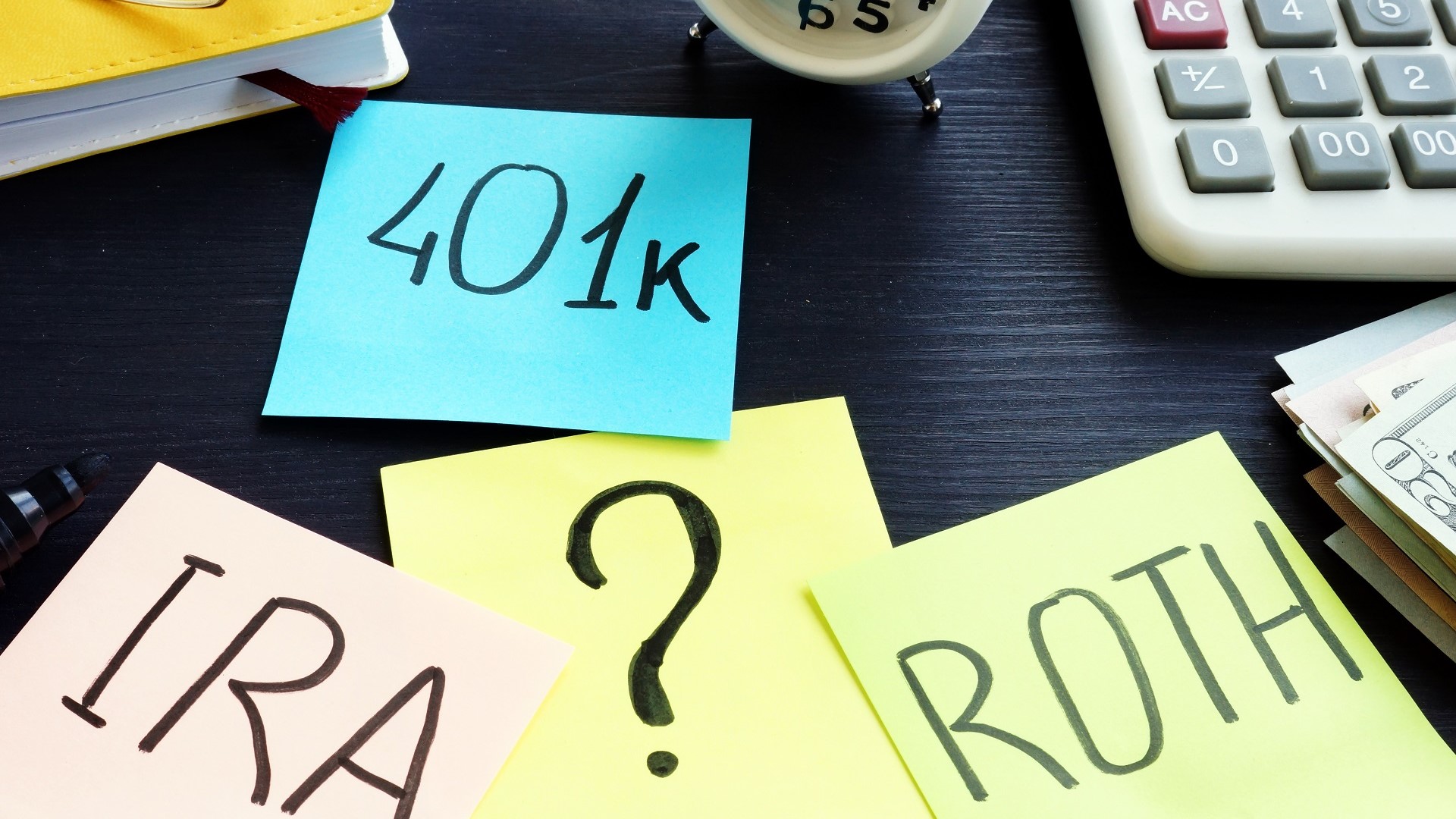
If you’re afraid to look at your 401(k) statement this quarter, you’re not alone. The stock market nose-dive has taken its toll on the retirement savings of millions of Americans. What you might not know is that for most people, your average retirement account is not the most well-rounded portfolio you can get. In fact, there are five common problems with the average American’s 401(k) plan that might be leaking money from your retirement fund. Take a look at these and see if any of them sound familiar.
The Useless Tax Deduction
The main selling point of a 401(k) plan is usually the tax shelter it provides by making your “pre-tax” income contribution earn interest. However, many people don’t realize that the tax on that income is only deferred until retirement. When you take that money back out of your 401(k), you will be paying tax on that money, as well as the interest it accrues.
For workers in entry-level jobs, or those in low tax brackets who don’t pay a lot in taxes anyway, it might make more sense to pay the tax now and get a Roth 401(k) or Roth IRA. Unfortunately, less than 21 percent of 401(k) plans offer the Roth option, according to the Profit Sharing/401(k) Council of America.
All Large Caps
One of the most common complaints about 401(k) plans is that their investment portfolios are weighted heavily in the same types of investments: large-capitalization U.S. stocks. It’s always better to have more options such as a portfolio featuring small-cap American and foreign stocks, commodities, or specialized bear market funds would be a better bet, but unfortunately its rare to see these choices in most standard plans.
All Bonds Are Not Alike
Your typical 401(k) may have up to 20 stock fund choices but only one bond fund–and chances are that bond got hit hard by falling interest rates this year. But have you heard of inflation-protected bonds? Treasury inflation-protected securities, or TIPS funds, grow your money at a rate to beat inflation. Trouble is, most 401(k) plans don’t offer them.
Using your 401(k) as an ATM
Some employers allow you to take out low-cost loans against your 401(k) balance, and some even go so far as to make that loan amount available as a debit card. While borrowers may rationalize using the loan as “paying interest to yourself,” the fact is you are using the money that could be earning returns as an investment, and sacrificing the compounded interest that is supposed to build your nest egg. Use a retirement calculator to find out how much it’ll take for you to retire comfortably and focus your 401(k) towards that number.
Rollover Rights Getting Rolled Over
The Employee Retirement Security Act, or ERISA, is supposed to allow employees near retirement age the ability to roll out of their current 401(k) and into an IRA plan. These are called “in-service rollovers.” However, some plans discourage or even forbid these in an attempt to keep assets within the company plan. If you find yourself in this situation, contact your plan’s investment committee. And if they are not responsive, you have the right to complain to the U.S. Department of Labor.
Now that you know some of the set backs of 401(k) plans–make sure you get the best advice from a financial advisor so that you can pick the right type of investment for your 401(k) plan if you are allowed to choose what kind of investments you can pick from. On that note, find out the best retirement account that will fit your retirement needs.