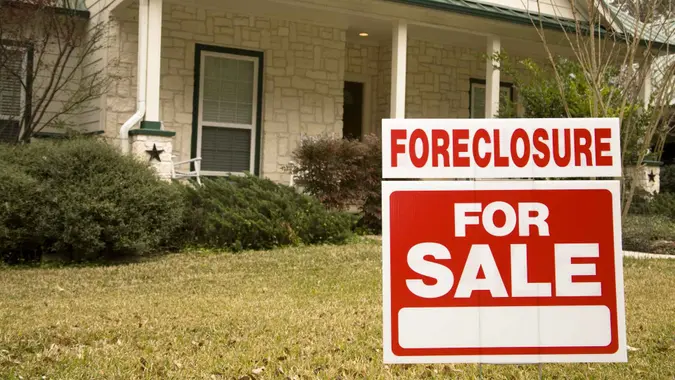
Foreclosure is a serious legal difficulty that all too many Americans have faced lately. Defaulting on your mortgage and facing foreclosure means losing your home — and no one wants that, not even your bank.
If you’re worried about the possibility of foreclosure, review the following warning signs and ways to prevent it.
Foreclosure Early Warning Signs
Freddie Mac, well known for their involvement in the mortgage crisis that resulted in skyrocketing foreclosures across the nation, lists two major areas that can point to foreclosure.
Unexpected Life Changes: If you recently went through a divorce, lost your job or had to make a very large purchase, you may increase the possibility of defaulting on your mortgage payment. These things, even if anticipated, can have a huge financial impact and lead to losing your home.
Financial Troubles: Even if your personal situation has remained steady, you may still have difficulties properly managing your finances. Things like maxed out credit cards, late bills or using credit to pay for everyday expenses are all signs of financial trouble. You might be headed down a path that leads to foreclosure.
Legal Warnings of Foreclosure
If you allow your finances to become out of hand and regularly skip making on-time payments on your mortgage, foreclosure is still not the next step. You lender will make it evident that foreclosure is on the horizon.
If you’ve missed one or two payments in the past, don’t worry too much. As the U.S. Department of Housing and Development (HUD) explains, “most mortgage companies recognize that homeowners may be facing short-term financial hardships. It is extremely important that you stay in contact with your lender within the first month after missing a payment.”
Notice of Default: After several months of missed payments, however, your mortgage lender will issue a notice of default (NOD). This should signal a big red flag because it’s first step in the foreclosure process. It does prompt you to contact the lender to work out a deal before it’s too late, however.
Notice of Acceleration: Next, if you fail to fully address the issue, you will receive a notice of acceleration. By this point, you must pay your outstanding mortgage debt or you will be on your way to losing your home.
Notice of Sale: This is the final warning of foreclosure, though the chances of your saving your property now are close to nonexistent. Your home will be put up for auction and you will no longer own it.
Alternatives to Foreclosure
If you have not been able to pay your mortgage in full and on time, but are working to get your finances back on track, there are alternatives to allowing your home to be foreclosed.
Loan Modification: This is an agreement you work out with your lender when you a long-term inability to pay your mortgage. One or more terms of the loan will be modified to make it affordable for you, such as a lower interest rate.
Forbearance: The lender may postpone foreclosure and grant you an extension to come up with the missing payments if you promise to adhere to the original mortgage agreement in the future.
Repayment Plan: The most common repayment plan is one in which you agree to pay your lender a portion of the outstanding mortgage debt along with your regular payments. Depending on the circumstances, the repayment plan usually lasts for 18-24 months.
How to Prevent Foreclosure
Foreclosure doesn’t happen overnight and there is plenty of warning before it occurs. It is possible to stop foreclosure, even when the legal process has begun. Yet, a report by RealtyTrac reveals that 3,957,643 default notices, scheduled foreclosure auctions and bank repossessions were filed in 2009.
So why were so many homes foreclosed when the warning signs are so clear? In most cases, it’s simply because they couldn’t afford the mortgage payments anymore.
The number one easiest way to avoid foreclosure is to take on a mortgage loan that you know you can sustain. Agreeing to unaffordable loan terms is often the first step toward an eventual foreclosed home.
Related Foreclosure Articles
- Bank of America & Wells Fargo Offering Short Sales Cash Incentives to Avoid Foreclosure Rise
- JPMorgan Chase & Wells Fargo Foreclosure Deal Deadline Leaves Settlement Uncertain
- Fannie Mae’s Foreclosure Rental Program Could Save Housing Market
- Obama Forms Housing Task Force as Foreclosure Sales Remain High