





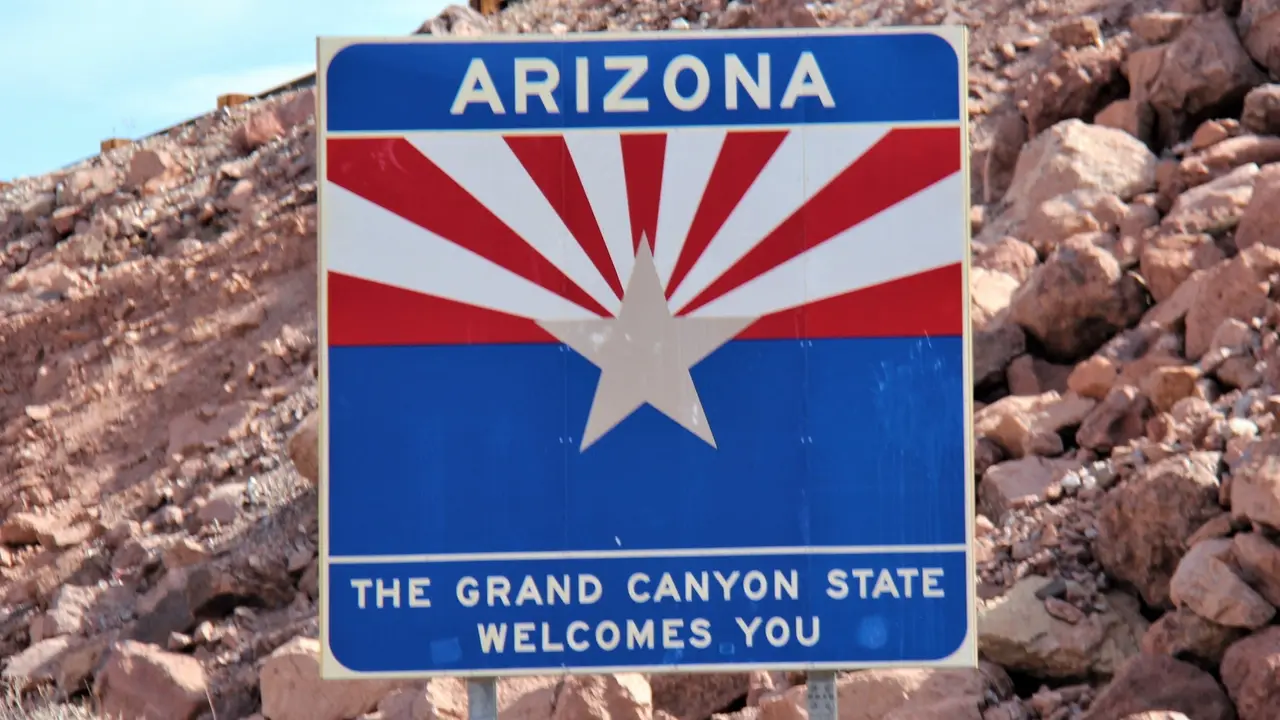


Arizona is becoming an increasingly popular state for people to move to, for its affordable cost of living and (mostly) temperate weather. Retirees have had the memo about Arizona for years, but more and more younger Americans have also been moving to the warm weather state.
The question is, will the state remain as affordable to live in now that more people are aware of it? The answer is maybe, depending on which ZIP codes you choose to buy a home in.
To find out which ZIP codes will be out of reach for the average American to buy a home in less than a decade, GOBankingRates took the overall U.S. median home value and projected its growth and decline over 10 years using Zillow’s April 2024-25 one-year forecast. This projection was then compared to the projections of the 86 ZIP codes in Arizona that currently have home prices below the national median, with those rising above the national average in the next 10 years being deemed “a place you could no longer afford.”
Read on to find out where you may want to avoid buying a home in Arizona.
85553 (Tonto Basin)
- April 2024 home value: $322,395
- 1-year growth projection: 1.30%
- 2034 projected home value: $366,845
Pictured: Monument Valley
85629 (Sahuarita)
- April 2024 home value: $350,721
- 1-year growth projection: 0.70%
- 2034 projected home value: $376,060
85741 (Tucson)
- April 2024 home value: $336,191
- 1-year growth projection: 1.20%
- 2034 projected home value: $378,784
85365 (Yuma)
- April 2024 home value: $329,847
- 1-year growth projection: 1.40%
- 2034 projected home value: $379,046
85363 (Youngtown)
- April 2024 home value: $331,185
- 1-year growth projection: 1.40%
- 2034 projected home value: $380,583
Pictured: Scottsdale
85716 (Tucson)
- April 2024 home value: $347,849
- 1-year growth projection: 1.10%
- 2034 projected home value: $388,064
85367 (Yuma)
- April 2024 home value: $335,116
- 1-year growth projection: 1.50%
- 2034 projected home value: $388,915
85035 (Phoenix)
- April 2024 home value: $338,671
- 1-year growth projection: 1.40%
- 2034 projected home value: $389,186
85040 (Phoenix)
- April 2024 home value: $336,321
- 1-year growth projection: 1.50%
- 2034 projected home value: $390,315
85132 (Florence)
- April 2024 home value: $353,426
- 1-year growth projection: 1.00%
- 2034 projected home value: $390,402
Pictured: Glendale
85735 (Tucson)
- April 2024 home value: $347,332
- 1-year growth projection: 1.20%
- 2034 projected home value: $391,336
85301 (Glendale)
- April 2024 home value: $338,388
- 1-year growth projection: 1.50%
- 2034 projected home value: $392,713
85017 (Phoenix)
- April 2024 home value: $329,341
- 1-year growth projection: 1.80%
- 2034 projected home value: $393,662
85033 (Phoenix)
- April 2024 home value: $341,615
- 1-year growth projection: 1.50%
- 2034 projected home value: $396,459
85019 (Phoenix)
- April 2024 home value: $345,137
- 1-year growth projection: 1.50%
- 2034 projected home value: $400,545
85939 (Taylor)
- April 2024 home value: $355,524
- 1-year growth projection: 1.20%
- 2034 projected home value: $400,566
Pictured: Scottsdale
85139 (Maricopa)
- April 2024 home value: $358,911
- 1-year growth projection: 1.20%
- 2034 projected home value: $404,382
85031 (Phoenix)
- April 2024 home value: $343,980
- 1-year growth projection: 1.70%
- 2034 projected home value: $407,139
86021 (Colorado City)
- April 2024 home value: $329,698
- 1-year growth projection: 2.80%
- 2034 projected home value: $434,558
Pictured: Tuscon
86038 (Mormon Lake)
- April 2024 home value: $358,364
- 1-year growth projection: 2.30%
- 2034 projected home value: $449,864
Pictured: Lake Havasu
Methodology: GOBankingRates took the overall U.S. median home value and projected its growth and decline over 10 years using Zillow’s April 2024-25 one-year forecast. This projection was then compared to the projections of the 86 zip codes in Arizona that currently have home prices below the national median, with those rising above the national average in the next 10 years (plus its projected growth rate over the same period) being deemed “a place you could no longer afford.” For each Arizona zip code over the next decade, GOBankingRates found the following factors: (1) year the Arizona zip code will become a “place you could no longer afford”; (2) projected home value for that year; and (3) US average projected home value for that year. NOTE: GOBankingRates does not expect growth in home value to stay stagnant at one current rate for the next decade, but using these constant figures gives us an idea where certain markets are heading without unforeseen market disruptors in the future. All data used to conduct this study was compiled and verified on May 29, 2024.