Discover is offering Savings and CD Rates as a high 5.0 % and over
Save yoru money by switching your auto insurance
Click for Free
       Credit Report and Score

How to Save a Million Dollars

Go Banking Rates has a
special calculator
to show you what it takes to
save $1,000,000.

Click Below
to see how you can
be a Millionaire

Go Banking Rate's Weekly Newsletter
Go Banking Rates
Receive a free financial newsletter with the latest rates, special offers and informative articles.
* Email Address:
First Name
Last Name
Your email will not be shared and you can opt-out of alerts at anytime

Bonds» Current Rates, News & Information

Posted in Bonds, Economy, Financial News, Investments

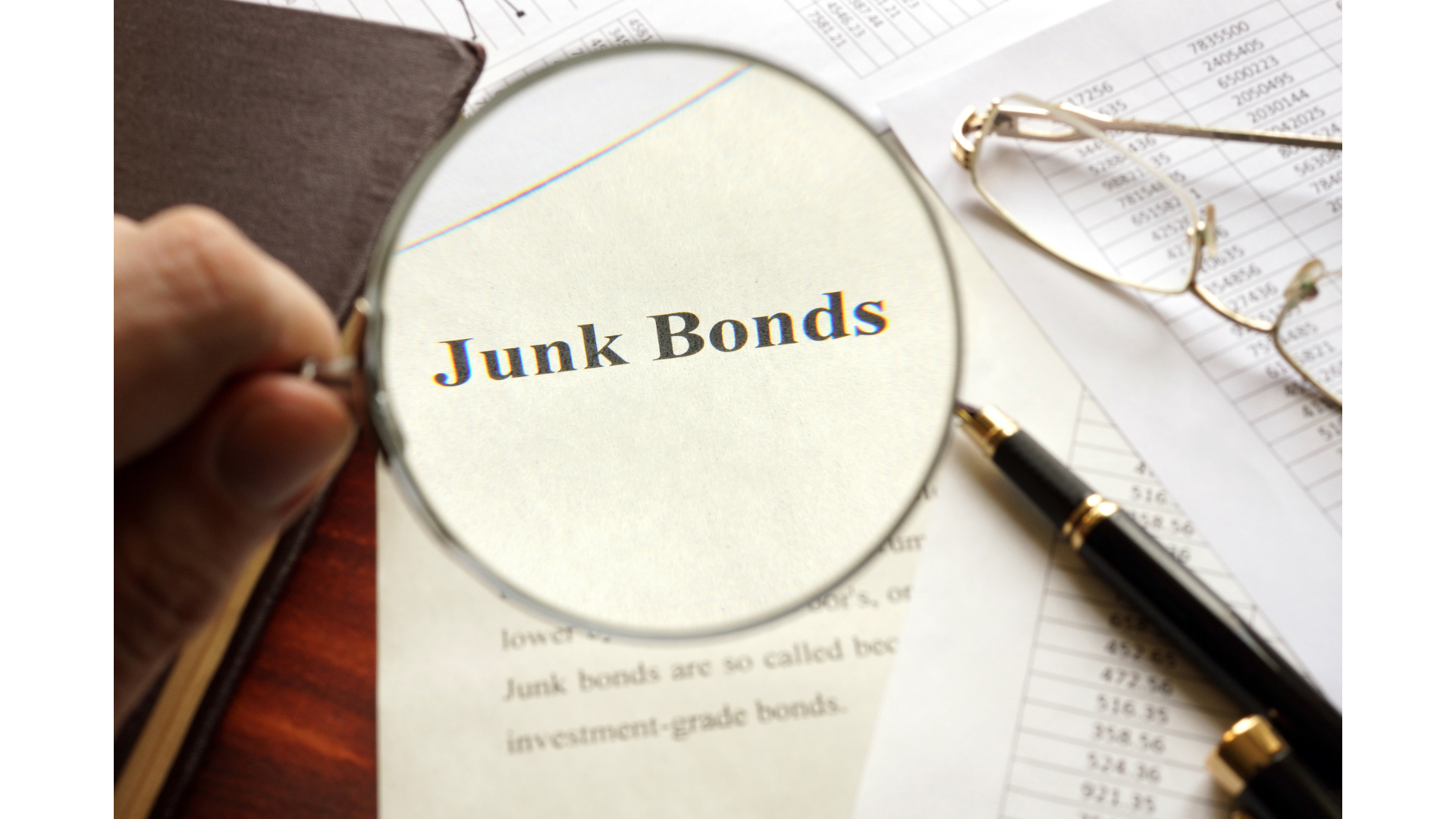
Recent reports show that yields for California high-yield bonds may increase to as much as 6 percent by the middle of 2010. Despite this yield increase (which represents higher potential returns), those making investments are not convinced that they should buy in because of California's poor economic state.


What Are High-Yield Bonds?

If you're not familiar with high-yield bonds, they are also known as high-yield debts, and are bonds that are rated below investment grade at their time of purchase. Inherently, they bring with them a higher risk of default - or other adverse credit events - because you are investing in debt that is to be paid back in a predetermined period of time.

Because they pose so much risk, investors usually get paid higher yields than better quality bonds.

The Deal with California's High-Yield Bonds

Kenneth Naehu, is a major investor who invests $2.5 billion for Bel Air Investment Advisors in Los Angeles. Late last year, he sold his California high-yield bonds late last year because he saw the state's deficits mounting.

He, like others making investments, is very skeptical of California's economy, which right now is $20 billion in the whole and possibly looking to pass out IOUs for the second year in a row, not to mention it having $73 billion in general obligation debt outstanding.

However, Gov. Arnold Schwarzenegger and two-thirds of the Legislature are trying to agree on way to fix the economy and if they can, they hope to sell billions of dollars in bonds.

Should Investors Take Advantage of the Higher Yields?

Some wonder if they should take advantage of these bonds that are bringing in higher yields in comparison to municipal bonds - currently there is a gap between the two yields in the ballpark of 3.15 percent. However, there is an inherent risk involved in buying into high-yield bonds as opposed to other bonds that have a great likelihood of promising a return.

Right now, there is no guarantee that the state will be able to pay back the debts owed as promised with the possibility that it will have to pass out IOUs for the second year in a row. So if you're concerned at all that making investments in the state's bonds could pose a risk to your assets, you may want to follow Naehu and just wait before making a decision.


Posted in Bonds, Investments, Stock Market

recession investing

The investment market was plummeted in 2008 and toward the end of the year the Congressional Budget Office (CBO) estimated that U.S. retirement plans alone had lost as much as $2 trillion. This doesn't include the many other ways to invest where losses scaled upward toward $6.9 trillion by early 2009.

With so much money lost, many people decided to cut back on investing to avoid losing more money.

According to an Oct. 2009 survey conducted by AlixPartners, LLP, 49 percent of investors surveyed said that they either stopped or reduced investing in stocks or mutual funds. Twenty-six percent said they have no intention of investing in these financial vehicles for at least three years.

Of course, you don't have to stop investing altogether because times have been rough. It's good to know that there are places to invest, even during a difficult economic time like our nation's current recession. It's just a matter of knowing when, where and how to invest, as well as how to make good choices for the long run.

The Safe Route

Probably the first consideration you'll make when thinking of investing your money is taking the safe route, which could include putting your money into money market accounts and similar instruments, like CDs and T-Bills, which allow you to grow your money based using an interest rate you agree to:

  • Money Market Accounts - Similar to high-yield savings accounts, money market accounts are offered through banking institutions and allow for investors to grow their money in a liquid or semi-liquid account at a specified interest rate.
  • Treasury Bills (T-Bills) - T-Bills are government-issued bonds that allow investors to pay a particular sum over a specific period of time. They are issued at less than face value so that after they've matured, you will be paid at face value.
  • Certificate of Deposit (CD) - The CD is also a short-term borrowing tool (however, some can stretch out to five-year terms). They are offered through banks like savings and money market accounts. During the term, you won't have access to your funds (unless you accept an early withdrawal penalty) but you will be able to retrieve your funds at a matured rate.

When going for these safer investment options, keep in mind that unless you secure a fixed interest rate, it could fluctuate at a moment's notice. If your rate is variable, you might find that your 2.50% APY has dropped to 1.36% within a day.

Stock Investments and Counter-Cyclical Stocks

Typically, when you think about true investing in the financial market, you think of stocks and bonds. While bonds are relatively safe, the stock market can be a bit riskier. However, if you're smart about the way you manage your stocks, you could still benefit rather nicely from these investments.

There has always been talk about diversifying your portfolio to ensure that your funds are safe if the market plummets. However, many investors found that when the entire market drops - versus just a few companies - diversification doesn't mean as much, except with counter-cyclical stocks.

Counter-cyclical stocks move in the opposite direction of the S&P 500 and business trends in general (i.e. the health care industry adds more jobs during a recession), which means if you line up with companies that function well during difficult economic times like those in food or medicine, you have a chance of greater stability within your portfolio. And depending on the company you invest in (i.e. Wal-Mart), you might actually see gains as the company lowers costs and sells more to accommodate the difficult times.

What's great about counter-cyclical stocks is even if they do drop some to reflect temporary consumer abandonment, they usually bounce back pretty quickly because consumers have basic needs that only certain companies can fulfill.

If you're thinking of making your first investments during the recession, it's always better to be safe than sorry. You want to make decisions that will sustain you financially in the long run, which is why it's a good idea to spend as much time possible researching how to invest safely after a recession so that if another one strikes you won't lose all of your money.


Posted in Bonds, Investments, Stock Market

Those who work hard for their money want their money to work just as hard for them. If you are ready to take the plunge and build up your investment portfolio , investing during a recession can prove to be a valuable strategy for you. According to the number-crunching conducted by Morningstar ...


Read Full Article: Investing During a Recession

Posted in Bonds, Corporate Bonds, Investments, Savings Bonds, Treasury Bonds

Bonds are debt securities distributed by authorized issuers (business or government entities) that represent a debt owed by that issuer. Similar to a loan, abond represents a formal contract between the issuer (debtor) and holder (lender), where which the holder gives money to the business to...


Read Full Article: Types of Investments: Bonds

Posted in Bonds, Corporate Bonds, Investments

Every now and then we can all use a little financial help. Hand-outs from the "bank of mom," borrowing from a bank or issuing company bonds to generate cash flow are all ways to get an influx of cash when it is most needed. Companies tend to follow the strategy of the latter and issue bonds to...


Read Full Article: Why Companies Issue Bonds vs Borrowing From a Bank

Posted in Bonds, Investment Products, Investments, Treasury Bonds

Before investing in municipal bonds, its good to first explore the advantages and disadvantages of doing so to make sure youre making the most informed investment decision. To help you out, we will explore various pros and cons of this investment tool so that when youre ready to invest, youll...


Read Full Article: Advantages and Disadvantages of Municipal Bonds

Posted in Bonds, Investment Products, Investments, Treasury Bonds

If investing in a bond interests you then you may want to consider learning more about municipal bonds, which are government-issued debt securities. Also known as munis these investment tools are often attractive to investors because they are typically risk-free at least in comparison to other...


Read Full Article: What Are Municipal Bonds?

Posted in Bonds, Investments

Municipal bonds are popular debt security investment tools issued by the government. While there are other forms of investment issued through the same source, " munis " offer some specific perks that you may enjoy. To find out if you will, let's explore the basics of municipal bonds .

What Are...


Read Full Article: Municipal Bond Basics

Posted in Bonds, Investments, Savings Bonds, Treasury Bonds

Everyone is looking for a safe way to invest their money. People want to ensure not only that their principal remains intact, but that their money earns a high yield and lives up to its fullest potential. One way to diversify your portfolio is to invest in treasury direct bonds and a...


Read Full Article: Treasury Direct Bonds as Protection in a Bad Economy

Posted in Bonds, Investments, Retirement Planning

No matter what your age, making contributions into a 401k plan is a good idea that will pay dividends when you reach retirement age.The recent recession has had a huge impact on the 401k balances of people in all age groups, but those who are closer to traditional retirement age may feel those...


Read Full Article: 401k Strategies by Age Group

Current Bonds News

powered by Google News
CV