Just about every industry took a hit from the recent recession and most businesses are still struggling to rebound. That is, except for pawn shops. Interestingly enough, they have actually been on the upswing ever since our economy took a turn for the worse. In both the good times and the bad, however, pawn shop owners are down in the trenches with their customers–typical Americans like you and I–which may give them the most authentic and uncensored look into the true state of our economy.
So if you’re wondering whether the U.S. is really on its way toward economic recovery or if we’re doomed to keep our belts tightened for years to come, you might want to visit your local pawn shop to get the real answer.
How Pawn Shops Work
Once viewed as a seedy location to unload stolen goods and hock valuables for gambling money, pawn shops have been cleaning up their image and becoming the go-to among middle- and even upper-class Americans for discounted goods and small loans.
Their new found popularity has even sparked a wave of reality shows, including the History Channel’s Pawn Stars, in which viewers can watch the shop’s employees haggle over everything from Superbowl rings to buried treasure. But a pawn store can provide much more than mindless entertainment and there’s plenty these establishments have to offer the everyday consumer, too.
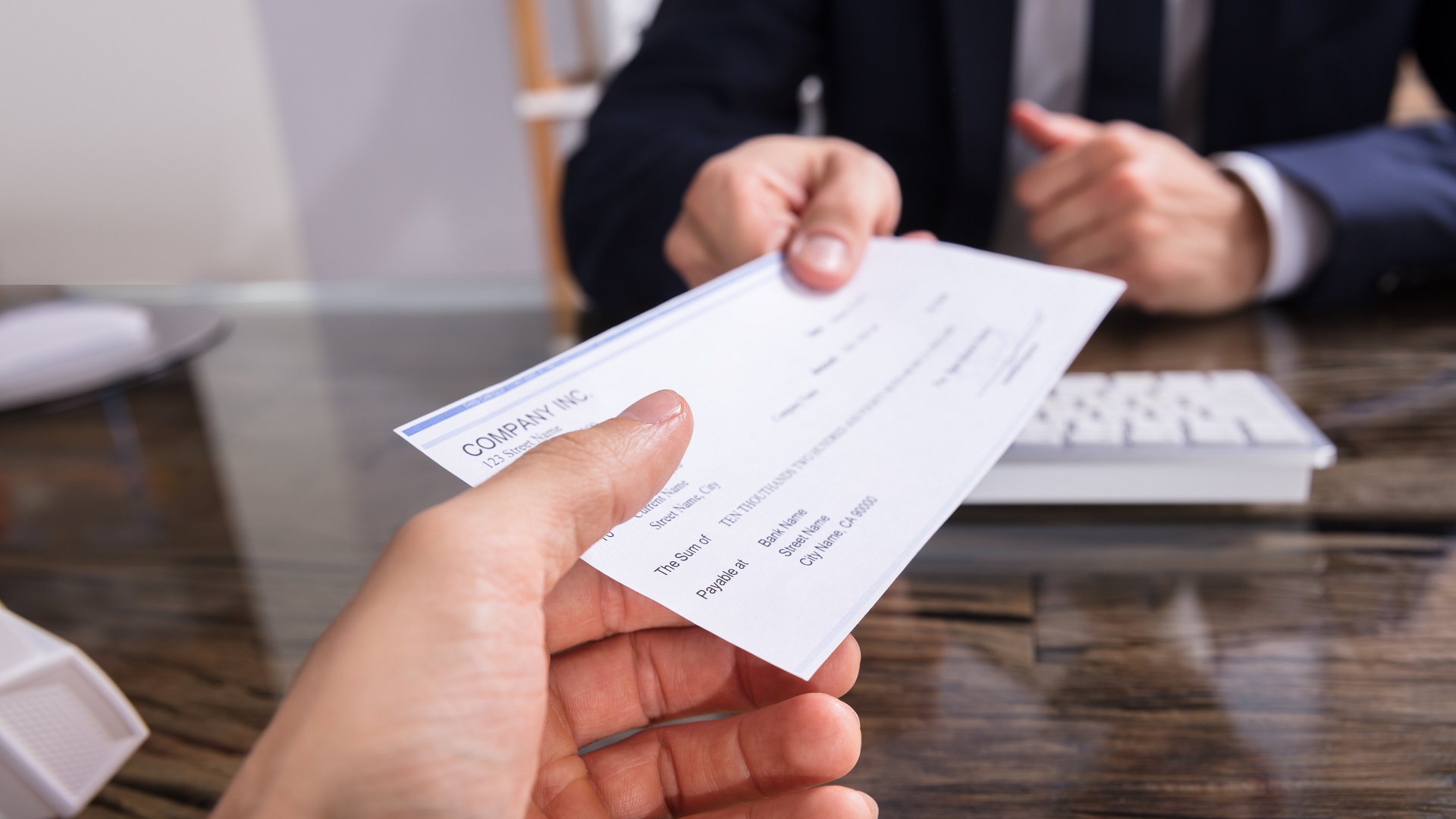
Here’s how a pawn shop operates: Let’s say you need a loan, but don’t have the credit or bank account necessary to get one (or you simply want an alternative). You can take a valuable item you own to a pawn shop and offer it up as collateral. The pawnbroker will then lend you however much he or she deems that item to be worth. You both agree on a term–usually, 30 days–after which you come back to repay the money, plus interest, and have the item returned to you.
Now what if you can’t pay back your loan? The pawn broker can put your valuable item up for sale in their shop with the goal of selling it to recoup the money they loaned you (and hopefully make a profit). You don’t get reported to the credit bureaus or end up with bill collectors on your tail, you just give up the item you pawned.
You can also sell items to a pawn shop if you’re interested in straight cash rather than a loan. These days, a lot more people are interested in both.
Living in a “Pawn Shop Economy”
While there are more than 13,000 pawn shops throughout the country, they are mostly small, privately-owned businesses that do not report their earnings publicly. That makes this industry extremely difficult to track. Even so, the three publicly-traded pawn companies have recently reported significantly increased earnings.
For an industry that thrives on making short-term loans and selling goods at a discount, it’s a strong indicator of the financial times in which we live.
However, it isn’t just an increase in profits that has contributed to the idea pawn shops serve as an economic barometer. Pawn shop employees get a first-hand look at current trends in consumer borrowing and spending, as well as various industry ups and downs.
“We went through two solid years where we had an increase in loans. And I could see the construction business grinding to halt by all the tools on my sales floor,” explains Westside Pawn manager, Susan Sherrod.
A more affluent crowd has been coming through pawn shop doors to join the usual suspects these days, too, hoping to pawn and sell nicer stuff. As Pat Schneider writes for The Cap Times, “unlike payday loan stores, which have the feel of banking branches, a pawn shop’s eclectic mix of items and their owners offers a dramatic window into life during the economic downturn.”
Pawn Shops Serve as Alternative to High-Interest Payday Loans
Payday loans have become much more popularized as a result of the recession, which left a huge number of people with reduced or no income, increasing the demand for short-term loans. Unfortunately, it also left these same people with damaged credit. Combined with tightened lending standards, it has become harder than ever to obtain a loan.
So it’s pawn shops that have come through to serve the needs of the unemployed, unbanked and otherwise down and out.
Additionally, pawn customers can enjoy the fact that there isn’t any credit check involved in getting a loan, and if the loan can’t be repaid, there are no long-term repercussions. Not to mention, it’s hard to obtain a loan for $60.
So whether you’ve hit hard times and need some cash or are simply interested in the fate of the U.S. economy, you may find that what you’re looking for isn’t at a big bank, but the local pawn shop.


[...] Are Pawn Shop Owners the True U.S. Economists? By Casey Bond [...]
[...] fact, Pawn shops owners have seen an uptick in business ever since the economy took a turn for the worse. Even more [...]
[...] fact, Pawn shops owners have seen an uptick in business ever since the economy took a turn for the worse. Even more [...]