6 Surprising People or Companies That Can Check Your Credit Score
 Written by
Angela Mae Watson
Written by
Angela Mae Watson
 Edited by
Gary Dudak
Edited by
Gary Dudak
Commitment to Our Readers
GOBankingRates' editorial team is committed to bringing you unbiased reviews and information. We use data-driven methodologies to evaluate financial products and services - our reviews and ratings are not influenced by advertisers. You can read more about our editorial guidelines and our products and services review methodology.

20 Years
Helping You Live Richer

Reviewed
by Experts

Trusted by
Millions of Readers
If you’ve ever applied for a credit card or personal loan, you’ve probably had a credit check. This is essentially when a potential lender pulls your credit to see whether you’re someone they want to lend money to.
But did you know that lenders and credit card companies aren’t the only ones who can check your credit score? Other types of people, like a prospective landlord, may also do this as it can give them a clearer picture of your creditworthiness and how risky working with you — or renting out a property to you — might be.
Here are six of the most surprising people or companies that might check your credit score and why.
Bank or Financial Institution
A bank or similar financial institution might check your credit, but this usually only happens if you’re applying for a loan or credit card through them.
“Lenders are the main group interested in your credit score. They request it because they want to assess your financial responsibility,” said Jeff Rose, CFP and founder of Good Financial Cents. “Your credit score acts like a financial report card for them, helping them decide whether to approve your application and what interest rate to offer.”
But if you’re simply applying for a bank account, you probably won’t get a credit check. That being said, a bank might check your ChexSystems report.
Checking your ChexSystems report doesn’t directly impact your credit score. A bank might deny your application for a checking or savings account based on the information in that report, however. If this happens, it might be worth looking into your credit reports to see if you’ve had any financial or credit problems that resulted in the rejection.
Prospective Employer
Most prospective employers aren’t going to check your credit score, but a few might ask for your credit report during the employment screening or background check process. While the company cannot see your credit score, they can view certain information on your credit report or history. This may include your open credit accounts, payment history, employment information, physical address and public record information (like a bankruptcy).
Only certain types of employers will do this, however. This includes law enforcement companies and federal government agencies.
“Potential employers may request a credit check as a part of a background check for more sensitive positions,” said Dr. Enoch Omololu, MSc, Econ, finance expert and CEO of Snappy Rates. “However, any prospective employer will need your written consent to do so.”
Insurance Company
If you’ve ever applied for homeowners or auto insurance, chances are you’ve had a credit score check.
“Insurance companies pull credit checks when determining how much to charge you for your premium,” said Omololu. “The reasoning is that there is evidence to suggest those with lower credit scores tend to file more claims, implying that insurers need to charge higher premiums to protect themselves.”
You’ll generally need to give consent before an insurance company pulls your credit. Many companies will still offer you a policy if you refuse. However, your rates or premiums might be affected by this decision.
Prospective Landlord
“Landlords like to do credit checks as a sort of background check on potential tenants before signing a lease,” said Omololu. “Again, the landlord will need written consent from the prospective tenant before doing so.”
The prospective landlord can decide whether to rent you an apartment based on the information in your credit report. They might also set the minimum deposit based on this information and how likely you are to pay your rent on time.
Utility Company
If you’re trying to set up utilities in your home, you might have to undergo a credit check. Utility companies will often ask for your Social Security number and review your credit history to determine how likely you are to pay your bills on time.
If you have spotty credit history — like multiple missed or late payments — you could be required to pay a deposit, or a higher deposit, for the service. And if you’re applying for utilities with a partner or a spouse, their credit could also affect whether you have to pay a deposit.
Yourself
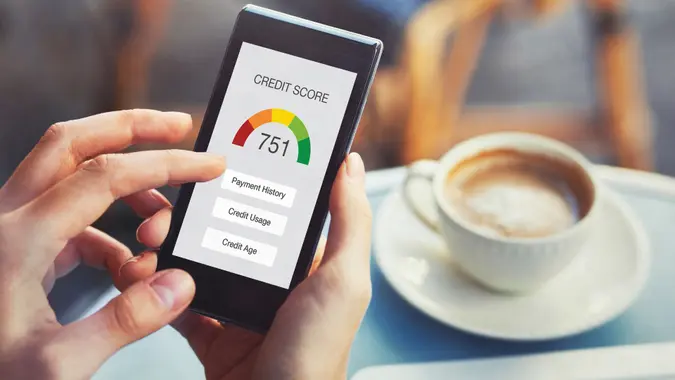
It’d be remiss not to add yourself to this list — even if it’s not that surprising that you can check your own credit score. In fact, it’s a good idea to check your credit every so often, especially when you’ve experienced a major financial change or it’s been a few months.
By checking your own credit score and reports, you’ll get a better idea of what other people who pull this information might see. Knowing this information can make it easier to make informed decisions about your credit and finances going forward. It can also give you a clearer idea of any potential rates, credit limits or premiums you might get.
Plus, if your credit score needs work, checking it can show you which area to focus on. Is it payment history that’s a problem? Is it having too high of a credit utilization? Whatever the case may be, knowing is half the battle to making the changes you need to ensure you get what you need.
Bottom Line
The next time you decide to apply for a high-end job, an apartment or a utility service, remember that these individuals (or companies) might check your credit score. So, even if you’re not applying for a new line of credit, it’s still worth keeping up with your score.
After all, the better your score is, the better your chances are of getting the loan, apartment or job you want. And with good credit you can also typically get better rates, lower premiums and lower deposits — all of which could save you money in the long run.
More From GOBankingRates