Midterm Election Years Can Shake Your Savings: What Retirees Must Do Now To Protect Their Money
 Written by
John Csiszar
Written by
John Csiszar
 Edited by
Rebekah Evans
Edited by
Rebekah Evans

Commitment to Our Readers
GOBankingRates' editorial team is committed to bringing you unbiased reviews and information. We use data-driven methodologies to evaluate financial products and services - our reviews and ratings are not influenced by advertisers. You can read more about our editorial guidelines and our products and services review methodology.

20 Years
Helping You Live Richer

Reviewed
by Experts

Trusted by
Millions of Readers
Stock market volatility in 2026 has many retirees wondering what they can do to protect their nest eggs. After starting out the year with modest gains, things took a turn at the end of February, with the S&P 500 dropping nearly 10% before sharply recovering in early April.
Tariffs, interest rates, inflation, job cuts and the war with Iran may have all played a role, but the biggest factor may simply be the fact that 2026 is the second year of the presidential cycle. Here’s what retirees should do now to protect their money during midterm election years.
Why Midterm Years Often Feel Uncomfortable for Investors
A study from Ned Davis Research shows that historically speaking, the second year of a presidential term has produced the lowest average annual returns. Midterm years also tend to be the most volatile, according to Baird Private Wealth Management. While every presidential term is different, midterm election years often coincide with declining presidential approval ratings, tighter fiscal policy and an increased likelihood of a change in political party. This can lead to uncertainty, which tends to increase risk. Regardless of the specific reasons for market turmoil in any presidential cycle, retirees should be aware of this historic pattern and protect themselves accordingly.
Why Retirees Face Unique Risk
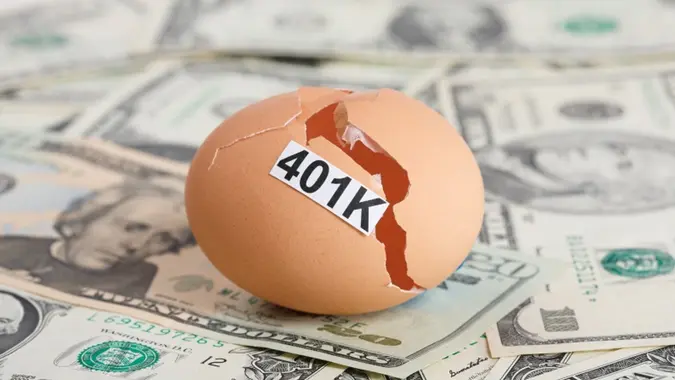
Retirees taking withdrawals are particularly susceptible to volatility, as selling investments during market declines can reduce long-term returns. Research from Morningstar shows that large market losses early in retirement increase the probability of running out of money prematurely. Seniors simply don’t have the luxury of time to recover from big market losses early in retirement, a danger known as sequence-of-returns risk.
What a Defensive Strategy Looks Like
A defensive positioning strategy does not mean abandoning stocks. In fact, one of the worst things you can do as an investor is act emotionally and sell your stocks after they’ve dropped in value. But there are ways to reduce risk without changing your long-term investment plan:
- Diversify across asset classes: A balanced portfolio of stocks, high-quality bonds and cash can help protect your account from significant declines and allow you to draw from your cash while your stocks recover.
- Devote a portion of your equity portfolio to dividend-paying stocks: In addition to providing income during periods of market volatility, dividend-paying stocks tend to be less volatile than the overall market.
- Own some short-duration bonds: These provide ballast in a portfolio, generating income while remaining stable in value.
- Rebalance your portfolio during market swings: If major market movements significantly change your targeted asset allocation, use those opportunities to rebalance. For example, if the stock portion of your portfolio drops from 40% to 20%, reallocate more money to stocks while prices are low.
Diversification, cash reserves and the ability to avoid emotional mistakes are the best ways for retirees to protect themselves during uncertain times.
Editor’s note on political coverage: GOBankingRates is nonpartisan and strives to cover all aspects of the economy objectively and present balanced reports on politically focused finance stories. You can find more coverage of this topic on GOBankingRates.com.
More From GOBankingRates