Why Your 401(k) Is Leaving You Behind While the Wealthy Double Their Nest Egg
 Written by
Tiffany Lew
Written by
Tiffany Lew
 Edited by
Nick Friedman
Edited by
Nick Friedman
Commitment to Our Readers
GOBankingRates' editorial team is committed to bringing you unbiased reviews and information. We use data-driven methodologies to evaluate financial products and services - our reviews and ratings are not influenced by advertisers. You can read more about our editorial guidelines and our products and services review methodology.

20 Years
Helping You Live Richer

Reviewed
by Experts

Trusted by
Millions of Readers
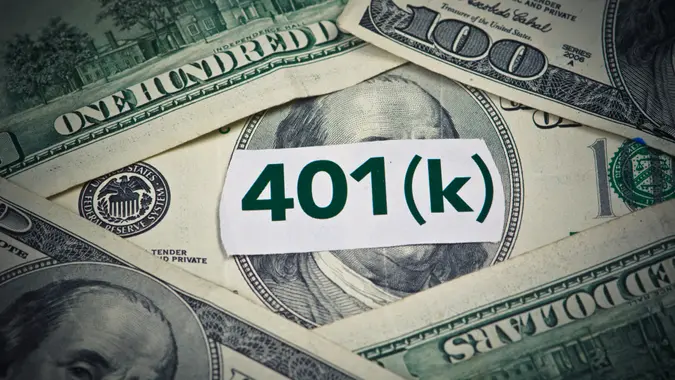
Having a 401(k) plan is great but not very helpful if you’re not managing and monitoring.
Consider a broader investment strategy and be on the lookout for these common 401(k) issues and mistakes that the wealthy avoid.
Forgetting Old Accounts
Simply forgetting about an old 401(k) account is a real loss: It’s likely not growing to its potential. According to a recent PensionBee analysis, a forgotten 401(k) plan could drain you $90,000 or more from your retirement savings by the time you reach your golden years because of high fees and low returns.
So spend some time reviewing any old accounts from previous jobs and you’ve already got a leg up on your financial future.
Not Readjusting Your Contributions
If you’ve just gotten a raise or otherwise have more income coming in at the moment, make sure you’re on top of increasing your contribution to your 401(k) plan. Furthermore, inconsistent contributions can slow down growth when you’re, say, back in school or on maternity leave, so remember to adjust accordingly when you have the better means to.
Early Withdrawals
Whether it’s for medical costs, job loss, home ownership, or another reason, taking money out of your 401(k) account early is taxed and stunts compound interest on future growth. So avoid an early withdrawal as your first choice during life changes and transitions before you’re of retirement.
The IRS breaks down exceptions to the 10% additional tax on early distributions.
Underestimating Retirement Needs
Healthcare costs, inflation, caregiving needs, and more can all contribute to Americans underestimating how much they need in retirement. According to a survey from Capitol Group, many retirees stop working earlier than expected due to unforeseen challenges rather than positive circumstances.
More From GoBankingRates