Cheapest Places To Buy a House in 2026 — You May Be Surprised by the List
 Written by
Kerra Bolton
Written by
Kerra Bolton
 Edited by
Rebekah Evans
Edited by
Rebekah Evans
Commitment to Our Readers
GOBankingRates' editorial team is committed to bringing you unbiased reviews and information. We use data-driven methodologies to evaluate financial products and services - our reviews and ratings are not influenced by advertisers. You can read more about our editorial guidelines and our products and services review methodology.

20 Years
Helping You Live Richer

Reviewed
by Experts

Trusted by
Millions of Readers
Buying a home is still expensive, but 2026 is creating new openings for buyers willing to rethink where they look.
As prices stabilize in some markets and affordability pressures push people away from traditional hotspots, a different set of cities is emerging as unexpectedly attainable this year. These places combine lower home prices with livable costs and everyday appeal.
Here are the cheapest places to buy a house in 2026. You may be surprised by the list.
Pittsburgh
- Why it is surprising: Reputation lag
Pittsburgh, Pennsylvania’s housing market remains affordable in part because population growth has been steady rather than explosive, keeping demand from outpacing supply. The median home price sits near $217,500, well below the national median, according to the Federal Reserve Bank of St. Louis.
According to RentCafe, Pittsburg’s overall living costs and housing costs remain 2% and 6% below the national average, respectively. Together, those factors help explain why Pittsburgh continues to offer city living at a lower price point.
Tulsa, Oklahoma
- Why it is surprising: Growth without the price spike
Tulsa has attracted national attention in recent years for remote work incentives and downtown revitalization, yet home prices have not surged the way they have in many peer cities. The median home price currently sits around $210,923, keeping Tulsa well below the national median.
RentCafe data also shows a cost of living that remains 8% lower than the U.S. average, especially for housing and everyday expenses. That combination makes Tulsa an appealing option for buyers looking for momentum without inflated prices.
Fayetteville, Arkansas
- Why it is surprising: Lifestyle value
Fayetteville offers the kind of lifestyle many buyers assume comes with a much higher price tag. Anchored by a major university, the city has access to trails, cultural venues and a stable local economy.
The median home price is around $367,153, keeping it below the national median even as demand has grown. RentCafe data shows overall living costs that remain manageable (4% lower than the national average), helping explain why Fayetteville continues to deliver strong quality of life without runaway housing prices.
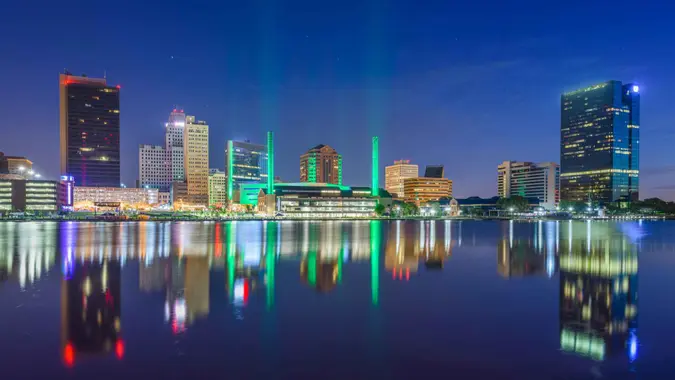
Toledo, Ohio
- Why it is surprising: Waterfront affordability
Toledo offers access to Lake Erie and a cost structure that remains far lower than many buyers expect for a waterfront-adjacent city.
Home prices have stayed relatively low as the area has focused on gradual redevelopment rather than rapid growth. The median home price is around $125,283, placing Toledo well below the national median.
RentCafe data shows a cost of living that remains lower than average, with housing costs about 7% lower. That helps explain why the city continues to offer affordable ownership alongside access to water, culture and everyday amenities.
Spokane, Washington
- Why it is surprising: West Coast affordability
Spokane offers a rare combination of Western location and relatively accessible home prices.
While Washington is often associated with high housing costs, Spokane has avoided the price spikes seen in larger coastal metros. The median home price is around $383,289, keeping it below the national median.
RentCafe data shows Spokane’s overall cost of living runs about 3% below the national average, driven largely by housing costs that sit roughly 16% lower. While some everyday expenses run higher, lower housing costs help keep overall affordability in check for buyers.
Albuquerque, New Mexico
- Why it is surprising: Southwest value with city scale
Albuquerque offers a full-scale city experience at a price point that remains accessible compared with many Western markets.
While home prices are not dramatically lower than the national median, they do remain below it, with the median home price around $335,186.
RentCafe data shows an overall cost of living about 4% lower than the U.S. average, driven largely by housing, utilities and transportation costs that run well below national norms. That balance helps Albuquerque stand out as a practical option for buyers looking west.
Editor’s note: Median home prices were sourced from Zillow, while cost-of-living data was sourced from RentCafe.
More From GOBankingRates