6 Everyday Expenses That Are Still Wrecking Americans’ Wallets Despite Cooling Inflation
 Written by
Kerra Bolton
Written by
Kerra Bolton
 Edited by
Jenna Klaverweiden
Edited by
Jenna Klaverweiden
Commitment to Our Readers
GOBankingRates' editorial team is committed to bringing you unbiased reviews and information. We use data-driven methodologies to evaluate financial products and services - our reviews and ratings are not influenced by advertisers. You can read more about our editorial guidelines and our products and services review methodology.

20 Years
Helping You Live Richer

Reviewed
by Experts

Trusted by
Millions of Readers
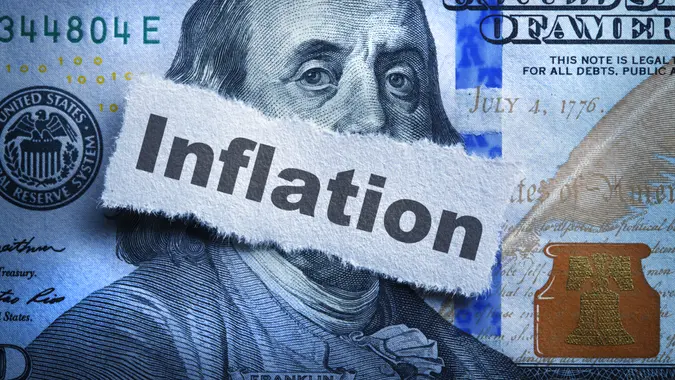
Inflation has cooled from its recent highs, but everyday life still feels expensive for many Americans.
Even as headline price growth slows, common household costs continue to strain monthly budgets, especially for essentials people cannot easily cut back on. From rent and groceries to healthcare and basic home needs, several categories remain stubbornly pricey. Here are six everyday expenses that are still wrecking Americans’ wallets despite cooling inflation.
Also see three things inflation will make much more expensive in 2026.
1. Rent and Housing Still Stretch Budgets
Housing remains the largest monthly expense for most Americans, and costs continue to climb. Rent and related housing prices rose about 3.2% year over year as of late 2025, according to the consumer price index, driven in part by elevated rents and owners’ equivalent rent.
Housing prices have remained stubbornly high because there are still not enough homes for sale, mortgage rates remain elevated, and building and insurance costs continue to push prices upward.
2. Grocery and Restaurant Prices Still Sting
Food costs remain a daily pressure point for many Americans. Grocery prices rose 2.4% year over year as of December 2025, while restaurant prices climbed 4.1%.
That means households are still paying more both at the supermarket and when dining out, with full service meals up nearly 5% over the past year, according to federal data. Even modest increases can compound quickly for families managing tight budgets.
As reported by The New York Times, the prices of many food items are staying elevated due to labor costs, tariffs and equipment costs.
3. Utility Bills Are Still Running Hot
Electricity and natural gas costs continue to strain household budgets, especially during peak heating and cooling seasons.
Electricity prices rose about 6.7% year over year as of December 2025, while utility gas prices climbed roughly 10.8% over the same period. A recent analysis from The Century Foundation reported that families will pay an average of $976 to heat their homes this winter.
A recent Center on Budget and Policy Priorities analysis found that electricity and gas bills remain high in part because rising construction costs are driving up the price of critical grid upgrades. Supply chain disruptions, permitting delays and tariffs on building materials are increasing infrastructure expenses, which utilities are then passing on to consumers through higher energy bills.
4. Healthcare Costs Keep Creeping Up
Healthcare remains a steady and often unavoidable expense for many Americans. Medical services prices rose about 3.5 percent year over year as of December 2025.
Healthcare costs continue to rise as Americans use more medical services, pay higher insurance premiums and out-of-pocket expenses, and face growing prices for hospital care and prescription drugs. Over time, even modest increases can add up over time, especially for households managing chronic conditions, prescriptions or regular medical visits.
5. Household Essentials Are Still Costly
Everyday household items, from cleaning supplies to basic home goods, remain more expensive than they were a few years ago.
Prices in the household furnishings and home operations category rose about 4% year over year as of December 2025. Household essentials remain expensive as tariffs, higher manufacturing costs and ongoing supply chain pressures continue to push up the price of everyday home goods.
6. Personal Care Costs Keep Adding Up
Many everyday personal care items, from shampoo and soap to basic grooming products, remain expensive too.
Prices in the personal care category rose 3.7% year over year as of December 2025, reflecting higher ingredient, packaging, shipping and marketing costs. Personal care products can get pricier when tariffs and higher costs for imported ingredients and packaging raise what brands pay to make them, and those increases can then show up on store shelves.
More From GOBankingRates