What a ‘Good’ Credit Score Can Get You in 2026 — From Lower Rates to Easier Approvals
 Written by
John Csiszar
Written by
John Csiszar
 Edited by
Cory Dudak
Edited by
Cory Dudak

Commitment to Our Readers
GOBankingRates' editorial team is committed to bringing you unbiased reviews and information. We use data-driven methodologies to evaluate financial products and services - our reviews and ratings are not influenced by advertisers. You can read more about our editorial guidelines and our products and services review methodology.

20 Years
Helping You Live Richer

Reviewed
by Experts

Trusted by
Millions of Readers
In 2026, your credit score might be more important than ever. With household prices rising and interest rates remaining at stubbornly high levels, getting approved for the loans you need at a cost you can afford is critical.
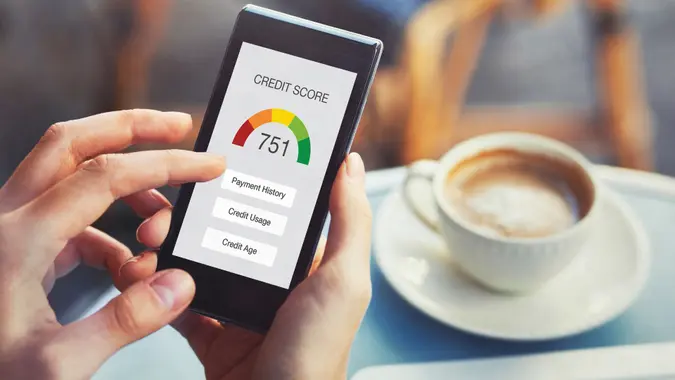
A credit score is a three-digit number that typically ranges from about 300 to 850, depending on the model used. Lenders consider your credit score an approximation of how likely you are to repay borrowed money, according to Kiplinger. Scores in the “good” range, generally around 670-739 for FICO models, mean you’re viewed as less risky.
Good credit scores can translate into real benefits in terms of interest rates, loan approvals, insurance costs and more. Here are some of the specifics.
Better Loan and Credit Approvals
Higher credit scores make it easier to get approved for loans and credit cards. A good credit score is a message to lenders signaling you are reliable in terms of handling your finances and paying back money you owe. Even better from a consumer standpoint, as a lower-risk borrower, lenders will be more willing to compete for your business, meaning you’re likely to have more options when it comes to picking and choosing your loans.
Lower Interest Rates and Better Terms
In addition to getting approved for a wider variety of loan options, a strong credit score also gives you access to lower interest rates. As lenders prefer working with lower-risk customers, they reward them with better pricing in the form of significantly lower mortgage rates, cheaper auto loans and more favorable APRs on credit cards.
Lower rates are particularly important when it comes to home mortgages, as those loans typically last 30 years and amount to hundreds of thousands of dollars. Over the life of such a large loan, even a fraction-of-a-percent difference in rate can literally save you tens of thousands of dollars.
Even with credit cards, however, the significance of a good credit score can’t be overstated. With better credit, you’re more likely to get approved for the best cards with the biggest introductory offers and the lowest interest rates.
Lower Insurance Costs and Utility Deposits
Did you know your credit can affect insurance premiums? According to Discover, this is just one of many benefits of having a higher credit score, and it’s one that’s often overlooked.
While not applicable in all states, many auto and homeowners insurers use credit-based scores to help gauge risk. Generally, a higher credit score can lead to lower premiums, because data shows consumers with strong credit tend to file fewer claims.
Discover also noted a good credit score can also help you skip or reduce security deposits for services like utilities or cellphone plans, allowing you to avoid upfront costs and improve cash flow.
Rental and Housing Advantages
Landlords run credit checks of prospective tenants, and in many cases, that includes a credit score. As Discover explained, a strong score doesn’t guarantee approval, but it does make your application more competitive. It can also help you avoid added requirements like a higher security deposit or a co-signer.
For homebuyers, a solid score can not only get you lower rates, it can help outweigh any other negative marks on your overall credit profile. These days, mortgage lenders often analyze alternative credit history data, such as rent or utility payment histories, to assess a customer’s overall creditworthiness. A good credit score can go a long way toward lowering your total risk profile if you come up short in any other areas.
The Reality Behind Top Scores
It’s worth noting that trying to earn a “perfect” credit score of 850 is often more of a flex than a financial advantage. Once your score reaches the upper-700s, the incremental gains tend to taper off. Experian’s mortgage rate data showed borrowers with scores around 780 generally qualify for the same top interest rates as borrowers with even higher scores, meaning additional points typically don’t unlock meaningfully better pricing.
That doesn’t mean improving your score isn’t worthwhile. While an 850 score may not deliver lower rates than a 780, it does provide a cushion against temporary dips and helps keep you firmly in the top pricing tier if your credit fluctuates.
The Bottom Line: Why It Still Matters in 2026
Credit scoring continues to evolve, and there will likely be further advances in modeling in 2026. But the core takeaway when it comes to credit scores always remains the same — a good credit score opens doors and saves money. From better loan terms and rewards to lower insurance premiums and stronger purchasing power, your credit score affects more parts of life than most people realize.
Remember, good credit isn’t just about borrowing. Rather, it’s about financial flexibility, strength and opportunity. And in today’s evolving credit landscape, that combination pays dividends.
More From GOBankingRates