8 Real Estate ‘Bargains’ That Actually Drain Your Savings Over Time
 Written by
Jordan Rosenfeld
Written by
Jordan Rosenfeld
 Edited by
Brendan McGinley
Edited by
Brendan McGinley
Commitment to Our Readers
GOBankingRates' editorial team is committed to bringing you unbiased reviews and information. We use data-driven methodologies to evaluate financial products and services - our reviews and ratings are not influenced by advertisers. You can read more about our editorial guidelines and our products and services review methodology.

20 Years
Helping You Live Richer

Reviewed
by Experts

Trusted by
Millions of Readers
Bargain house hunting is more essential than ever, when high interest rates and home prices are not coming down as quickly as the average buyer needs. But many low-priced listings come with problems that aren’t visible in the photos or reflected in the sticker price. These problems can add stressful unexpected costs to your new home ownership or even wipe out your savings long after closing.
Real estate and construction experts explain what kinds of so-called bargains often hide expensive problems.
1. Homes in Aging or Declining Neighborhoods
Many of the cheapest homes are located in areas with older, deteriorating housing stock or declining populations, according to Mitch Coluzzi, co-founder and head of construction at Sold Fast. While the listing price looks attractive, the age of these structures paired with poor weather conditions can turn a “deal” into tens of thousands in repairs. They may need major system or structural replacements and ongoing maintenance. For example, emptying “rust belt” neighborhoods often have houses that need a lot of work.
“These houses may need lots of work partly because of the humid winters and the freeze/thaw cycles,” Coluzzi said.
2. Poorly Done or Unpermitted Additions
Shawn Buck, a Realtor and 2026 President of the Greater Fort Worth Association of Realtors, said that homes with unpermitted additions or renovations can also lead to “financial heartache down the road.” Buyers may need to bring the work up to code, which can turn a “deal” into tens of thousands in repairs.
3. Hidden Costs in Taxes, Insurance or High Utility Bills
A low purchase price doesn’t always translate to a low cost of ownership. Buyers often overlook soaring insurance premiums, high utility bills in older homes, unexpected property tax burdens, and even the cost-of-living impact of the surrounding area.
Buck pointed out that if the home is larger, historic or needs repair, “buyers can spend a small fortune on utilities.” Inefficient windows, insulation or HVAC can also lead to expensive utility bills.
And of course, property taxes and insurance costs can raise the monthly payment so high that they price homebuyers out of the transaction entirely, Buck explained.
4. Fixer-Uppers That Require More Work Than Expected
Fixer-uppers can still be solid investments, but only if the neighborhood supports long-term value and the buyer understands renovation scope and costs, Buck pointed out. In other words, “real estate will always be about location,” he said. Today’s elevated labor and material prices can quickly wipe out the savings of a cheap listing unless you’re able to do much of the renovations yourself.
However, just doing surface-level renovations, like updating old countertops or fixing some water damage isn’t the same as something like foundation repair, Coluzzi said. He recommended buyers in these situations learn about average repair prices in the area and set some money aside for maintenance before they buy a fixer upper.
5. Old or Outdated Systems
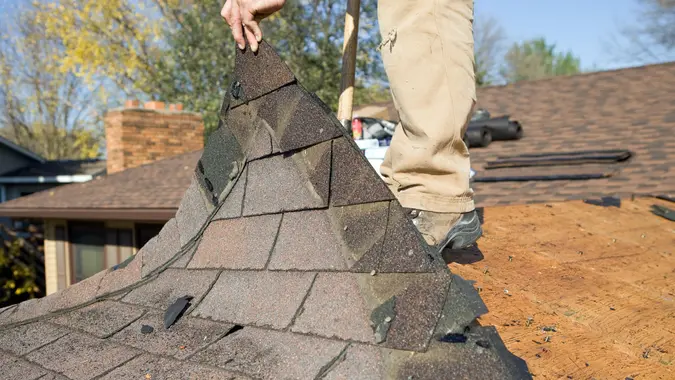
The major systems of a house, from HVAC to plumbing to roofing, are costly to repair or replace. If they fail shortly after move-in, buyers can find themselves paying more in upgrades than their down payment.
Coluzzi said that most families aren’t equipped to handle such major overhauls as replacing an entire system of lead pipes or knob and tube wiring. Pipes alone can cost between $3,000 and $8,000 to repair if you develop a slab leak, said Chris Hays, owner of Local Roots AC and Plumbing. And a faulty foundation “can cause myriad issues,” Buck said.
Hays said it’s common for people to think it’s a deal to purchase a cheap home, only to face huge costs after purchase
6. Extreme Weather and Climate-Driven Insurance Surges
Homes that seem like steals in high-risk weather zones often come with skyrocketing insurance premiums, if you can even find coverage, Coluzzi noted. Buyers frequently downplay the risk until they face annual increases or catastrophic repair costs. Buck pointed out that weather-prone areas will likely face higher premiums and deductibles and require more coverage.
Something like water damage can be significant. “Water, for instance, is the bane of any structure,” Buck said. “Flooding can destroy flooring, drywall and electrical systems.”
7. Financing Traps
Some “affordable” homes only appear budget-friendly because of short-term financing structures, which aren’t “as ironclad as something like fixed-rate,” Coluzzi said.
Buck agreed, saying, “Adjustable-rate mortgages may have a low initial rate, but … payments can spike sharply after the introductory period.”
Be sure to understand all the terms and rates of your financing before signing.
8. Red Flags in “Too Good To Be True” Listings
Underpriced listings are often so much cheaper due to deeper structural, financial or legal issues. Bad photos and sparse descriptions can be attempts to hide issues flagged by inspectors, Coluzzi noted.
Additionally, houses that have sat a long time on the market, or repeated re-listings should prompt buyers to investigate carefully.
“A realtor can help buyers identify red flags, Buck said. “These professionals understand the local market and help guide you through the purchase.”
How To Buy a Lower-Cost Home Without Getting Burned
Cheap homes are not always bad buys, however, so long as the buyer goes in with clarity and invests in thorough due diligence. Listen to the findings on inspections, understand true long-term costs and analyze neighborhood conditions.
“Spend the money on a more thorough home inspection or hire a structural engineer,” Buck said. “This is a nominal cost in the long run if it saves you $50,000 or more.”
If you’re set on buying a lower-cost home, the only real bargain is one you’ve fully inspected and appropriately budgeted for before you sign.
More From GOBankingRates