Inflation & Politics: What’s President Trump’s Actual Effect on Inflation?
 Written by
Kerra Bolton
Written by
Kerra Bolton
 Edited by
Gary Dudak
Edited by
Gary Dudak
Commitment to Our Readers
GOBankingRates' editorial team is committed to bringing you unbiased reviews and information. We use data-driven methodologies to evaluate financial products and services - our reviews and ratings are not influenced by advertisers. You can read more about our editorial guidelines and our products and services review methodology.

20 Years
Helping You Live Richer

Reviewed
by Experts

Trusted by
Millions of Readers
Inflation remains one of the most pressing economic concerns for Americans because it affects the cost of living, including everything from gas to groceries. With the annual inflation rate in the U.S. climbing back up to 3% in September 2025, many wonder whether or not inflation can be avoided, and just how much influence does President Trump really have?
“In our country, the sitting president can have a huge influence on inflation and the effects of it,” said Steve Azoury, CEO of Azoury Financial. “Inflation can turn $1 into 50 cents, and for a society to run, it must be under control.”
Let’s dig a little deeper into how presidents can affect inflation, and what it all means for consumers.
How Presidents Shape Inflation
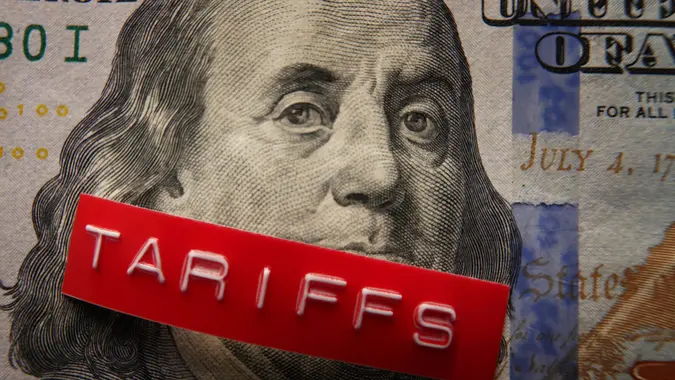
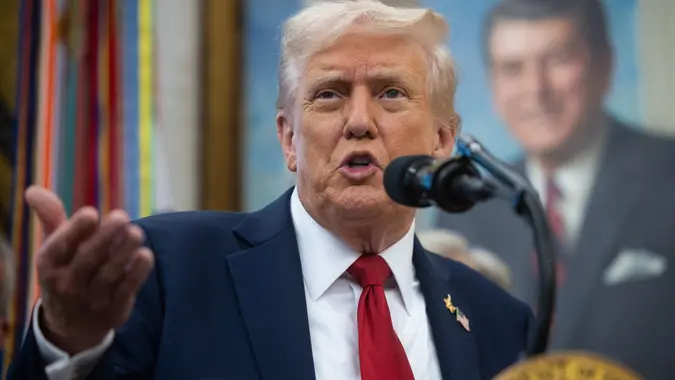
Before getting voted back into the Oval Office for his second term, Trump promised to end inflation. His first 100 days in The White House were marked by a flurry of economic policies, such as increasing tariffs, deregulation, cutting government programs and reducing foreign aid.
“Presidents influence inflation through their spending decisions,” said Wayne Winegarden, an economist at Pacific Research Institute. “Running large deficits will create pressure on the Federal Reserve that ultimately causes inflation to rise.”
Winegarden explained, “Similarly, implementing a fiscally responsible budget with a more efficient tax system will reduce the deficits and free up the Federal Reserve to implement sounder monetary policy.”
So, is inflation avoidable based on the economic policies the president implements? Not really.
What Really Drives Prices
While presidential policies dominate headlines, inflation is primarily influenced by broader economic forces. This means that yes, to a degree, the president can control inflation, or at least inflation impact.
“The connection between government spending, economic growth and monetary policy drives inflation,” Winegarden said. “But because of its complexity, it is not well understood.”
Energy costs are one of the biggest drivers of inflation, and the U.S. inflation forecast for 2026 predicts the rates will remain elevated and potentially increase to around 3.2%.
“The cost of energy needs to get under control,” said Joe Camberato, CEO at National Business Capital, an online resource that helps business owners find and secure financing.
He explained, “Think about every single thing you use in your daily life — it uses energy. Your house, all forms of transportation and every item you buy was shipped to you. We need energy prices to come down, and innovation in energy to happen faster.”
Regulations also play a significant role. Trump has pushed for deregulation, signing an executive order requiring the elimination of 10 existing rules for every new one added.
“Restrictions on companies can have a big impact on what companies can or cannot do,” Azoury said. “Productivity of workers and supply chain issues can impact inflation, as well. High productivity can help increase output and wages. Supply chain issues can help promote supply and demand.”
Lessons From Past Leaders
A president can shape inflation by influencing policies on energy, regulations and economic growth — but they don’t control it entirely. Historically, presidential policies have had mixed results in controlling inflation.
The 1970s saw severe inflation due to a combination of weak Federal Reserve policy and excessive government spending by presidents Johnson, Nixon, Ford and Carter. However, inflation during the 1980s was kept relatively under control due to a more disciplined monetary policy, despite occasional economic crises.
Camberato said Trump’s trade policies during his first term helped him keep inflation low.
“Trump did a solid job during his last term by using tariffs strategically and getting companies to bring manufacturing back to the U.S.,” Camberato said. “That move helped stabilize prices and keep inflation low. It showed how smart trade policies and a focus on domestic production can make a big difference.”
This time around he is not seeing the same level of success — at least not yet.
Trump’s Latest Moves
The president can influence inflation through energy policies, changes in regulations and adjustments to taxes, as well as by creating manufacturing incentives for producing things like food or energy.
“All of that affects prices,” Camberato said. “Plus, a president can either boost [consumer] confidence or destroy it, which plays a big role in how markets react. And when markets move, inflation follows.”
The year 2025 saw a lot of ups and downs in this area, and 2026 figures to be very similar.
Ultimately, while presidents can shape inflation through economic policies, they don’t have absolute control, but they do wield a great deal of influence. Inflation remains a complex issue driven by politics, policy and long-term economic trends. Understanding these nuances helps individuals make informed financial decisions instead of placing all of the credit and blame on the current administation.
Editor’s note on political coverage: GOBankingRates is nonpartisan and strives to cover all aspects of the economy objectively and present balanced reports on politically focused finance stories. You can find more coverage of this topic on GOBankingRates.com.
Caitlyn Moorhead contributed to the reporting for this article.
More From GOBankingRates