Retirement Checklist: 9 Things To Do Now in Your 60s, According to Fidelity
 Written by
Jennifer Taylor
Written by
Jennifer Taylor
 Edited by
Rebekah Evans
Edited by
Rebekah Evans

Commitment to Our Readers
GOBankingRates' editorial team is committed to bringing you unbiased reviews and information. We use data-driven methodologies to evaluate financial products and services - our reviews and ratings are not influenced by advertisers. You can read more about our editorial guidelines and our products and services review methodology.

20 Years
Helping You Live Richer

Reviewed
by Experts

Trusted by
Millions of Readers
Your sweet 60s have arrived, meaning retirement is getting close. In this era, you need get your finances in order and Fidelity has a few ideas.
The financial services company created a retirement playbook, to help you navigate this major life change. Keep reading to learn nine money moves to make now, to help ensure financial stability throughout your golden years.
Gauge Retirement Readiness
Mentally, you might be mentally ready to retire, but that doesn’t mean you’re financially equipped to do so. Therefore, now is the time to determine your retirement income sources, spending needs and uncover any financial gaps, according to Fidelity.
Make a Retirement Budget
Create a spending plan for retirement to ensure your expenses will be covered.
This includes reviewing your expected income sources and calculating your weekly, monthly and annual expenses, according to Fidelity. Do this at least a year before you plan to retire, so you have time to make any necessary adjustments.
Create a Guaranteed Income Plan
An effective retirement plan should ensure essential expenses are covered, offer growth potential and be flexible enough to change with your needs — if necessary — according to Fidelity.
“Even moderate inflation can erode purchasing power over a long retirement,” said Hardik Patel, founder and financial advisor at Trusted Path Wealth Management, LLC. “Make sure your portfolio includes assets that can adjust with inflation so your plan remains sustainable even if inflation rises unexpectedly.”
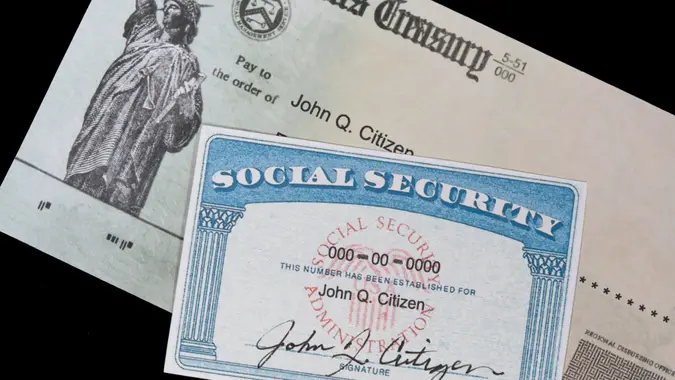
Decide When You’ll Start Claiming Social Security
You can apply for Social Security retirement benefits anytime between age 62 to 70, according to the Social Security Administration (SSA). However, the longer you wait to apply, the larger your monthly benefit.
“Determine the optimal time for you to claim social security based on your specific circumstances,” Kevin Feig, certified financial planner (CFP), certified public accountant (CPA), personal financial specialist (PFS) and founder of Walk You To Wealth. “Claiming Social Security isn’t like adjusting your 401(k) where you can change your mind every other week — this is a locked-in decision, similar to ones made on “Who Wants To Be a Millionaire.”
Get Out of Debt
Now is the time to get serious about paying off debt. Zero in on high-interest debt — especially credit cards — first, according to Fidelity.
You’re not alone, as this is a common issue. The average credit card debt for baby boomers is $6,795, rising to $9,600 for Generation X, according to Experian.
Lower Housing Costs
Now could be a good time to downsize. In addition to your reducing mortgage payment — if you have one — moving to a cheaper area or a smaller home can reduce the amount spent on utilities, insurance, taxes and maintenance, according to Fidelity.
Update Your Investment Strategy
Now is the time to reassess your risk profile, Patel said.
“After years of strong market returns, many investors may unknowingly be taking on more equity risk than they need,” he said. “At this stage, the focus should shift from maximizing returns to preserving what you’ve built.”
After reaching your financial goals, continuing to take unnecessary risk with your retirement fund could jeopardize the stability you’ve worked so hard to build, he said.
Devise a Withdrawal Plan
Being smart with your retirement fund means creating a withdrawal plan. A conservative drawdown rate is recommended by Fidelity, meaning 4% to 5% of your savings the first year, then making annual adjustments for inflation.
Monitor Tax Law Changes
Keep a close eye on tax laws, as even small changes can have a large impact on retirement income, according to Fidelity. Working with a tax professional could be a good idea, as they can ensure you’re informed on any updates and explain how they affect you.
More From GOBankingRates