Retire a Millionaire on Passive Income — 7 Expert Investment Tips
 Written by
Ellie Diamond
Written by
Ellie Diamond
 Edited by
Molly Sullivan
Edited by
Molly Sullivan

Commitment to Our Readers
GOBankingRates' editorial team is committed to bringing you unbiased reviews and information. We use data-driven methodologies to evaluate financial products and services - our reviews and ratings are not influenced by advertisers. You can read more about our editorial guidelines and our products and services review methodology.

20 Years
Helping You Live Richer

Reviewed
by Experts

Trusted by
Millions of Readers
In October, money expert Sam Dogen wrote a CNBC article about the strategies he used to retire at 34. An investment banker in California’s Bay Area at the time, he quit his job with $80,000 a year in passive income and a $3 million net worth.
Dogen built his assets for a decade before retiring and has continued to live off passive income. He shared these seven investment opportunities that he appreciates for their passive income potential.
1. Dividend Stocks
Owning dividend stocks means you own shares in a company that pays a percentage of its profits to shareholders. They usually represent extra cash that the organization decides not to reinvest in itself. Shareholders receive payments at a regular cadence, usually anywhere from monthly to annually. Companies may also pay out one-time “special dividends,” which tend to be larger amounts.
Dividends from high-earning companies can boost your passive income, but you might need to invest significant amounts to see results. The S&P dividend yield has dropped significantly over the past few years and is currently at a long-term low of 1.17%.
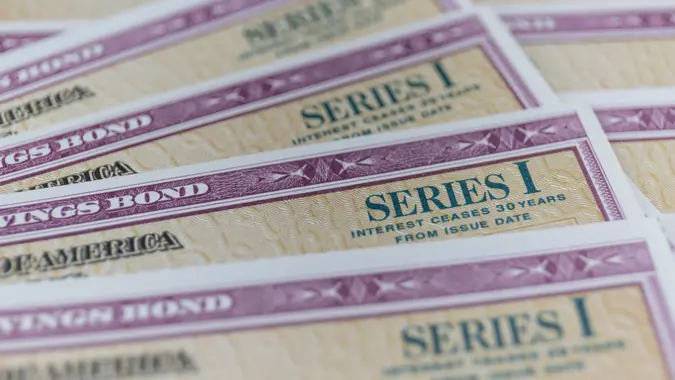
2. Treasury and Corporate Bonds
Bonds are debt securities, which means you’re lending money to a government entity or corporation. You receive interest on a regular basis, and the bond issuer repays your initial investment when the bond matures.
Bonds tend to be lower risk than stocks, potentially adding stability to a passive-income portfolio. Municipal government bonds also offer the advantage of being exempt from federal income tax and, potentially, state and local taxes in the bond’s home location.
3. Certificates of Deposit and High-Yield Savings
CDs and high-yield savings accounts are low-risk accounts that generate interest over time. A high-yield savings account is exactly what it sounds like: a savings option that pays higher interest rates than its traditional counterpart.
A CD is also an interest-bearing account, but unlike a high-yield savings account, it holds your money for an agreed-upon period of time. If you withdraw early, you can expect to pay a penalty.
Both generally offer steady growth for your money. CDs may have higher interest rates, but high-yield savings accounts offer more liquidity.
4. Growth Investing
Growth investing is the strategy of investing in early-stage companies. According to Dogen, these companies may not pay dividends right away, but there’s a chance for significant gains if the company does well.
5. Real Estate
Real estate can be a lucrative way to build long-term wealth, as home values tend to increase over time. The average home sales price has nearly doubled since 2011 and more than quadrupled since the mid-1980s, according to the Federal Reserve Bank of St. Louis. There are several ways to make this strategy generate passive income.
Rental Properties
Though not entirely passive, owning rentals can generate significant income. Rent also tends to rise over time, with a 47.3% increase in rent per square foot since 2020. Gains may be smaller as you pay off the mortgage on the property and you need to be willing to handle property management.
Real Estate Investment Trusts and Private Platforms
REITs are companies that own income-producing properties and sell shares of their own stock to individual investors. Those investors can benefit from real estate gains with less initial capital and without the hassle of property management.
REITs must distribute at least 90% of their revenue to shareholders but returns depend on commercial real estate market trends. Gains may be lower in volatile markets.
An alternative option is a crowdfunding-style platform like Fundrise, which allows investors to build a diversified portfolio centered on real estate. You can invest with as little as $10.
6. Digital and Creative Products
If you have time to invest, digital and licensed products can pay off over time. Dogen published a book as part of his passive income strategy, and it continues to generate royalties. You can also earn income years after releasing photos, images, software and online courses.
7. Hard Money Lending
If you already have a significant amount of liquid assets, you might consider becoming a hard money lender. You need to establish your own business and have enough industry knowledge to understand the risks of your investments, but there’s potential for a significant payoff.
The beauty of building a passive income, Dogen said, is that you can customize it to your budget and goals. Take time to weigh your options and consider professional guidance from a financial advisor.
More From GOBankingRates