Retiring Between 62 and 67? Retirement Expert Warns of 6 Common Blind Spots
 Written by
Lydia Kibet
Written by
Lydia Kibet
 Edited by
Nick Friedman
Edited by
Nick Friedman

Commitment to Our Readers
GOBankingRates' editorial team is committed to bringing you unbiased reviews and information. We use data-driven methodologies to evaluate financial products and services - our reviews and ratings are not influenced by advertisers. You can read more about our editorial guidelines and our products and services review methodology.

20 Years
Helping You Live Richer

Reviewed
by Experts

Trusted by
Millions of Readers
If you’re between the ages of 62 and 67 and have saved and planned accordingly, you may finally feel ready to enjoy the freedom in retirement you worked decades to earn. However, this phase can come with blind spots that many new retirees don’t see until they’re in it.
Read More:
GOBankingRates spoke to William Connor from SAX Wealth Advisors about what catches people off guard in those critical first years of retirement.
1. The Transition Period
Many people imagine retirement as an instant lifestyle change — from working life to permanent leisure. In reality, it takes time to figure out what you truly want your days to look like. “Retirement is a big transition for most people, and it can be hard to truly understand what you want until you are actually retired,” he said.
Activities that sound appealing may become boring as years go by. Connor recommended treating your first year or two as a trial period to figure out what you really desire.
2. Social Security Timing
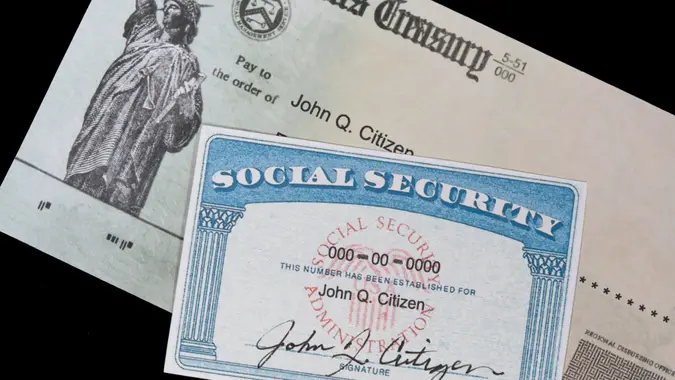
When to claim Social Security is one of the most debated retirement decisions. Delaying your benefits is often worth it. As Connor put it, “It pays to wait; you’ll earn about an extra 8% annually in your benefit by delaying the start. This extra income can potentially result in greater retirement security.”
However, he stressed this decision needs a holistic evaluation, including your health outlook and whether you need to leave money for heirs. “Social Security terminates at death, while retirement accounts and other assets can be passed on,” he said.
3. Healthcare Costs
Healthcare is one of the most underestimated retirement expenses, especially for those retiring before age 65.
“The cost of health insurance can increase dramatically when retirees no longer have employer support,” Connor said. “It’s critical that health considerations be taken into account prior to retirement, evaluating the out-of-pocket cost for required medications and doctor visits.”
4. Retirement Account Spending
How you access your money matters just as much as how much you’ve saved. Spending directly from retirement accounts is something many new retirees underestimate.
Connor recommended setting up a monthly paycheck system, transferring a set amount from your retirement and investment accounts into your checking account. “This helps to create discipline around retirement spending and can help to avoid overspending, especially in the early retirement years which can create problems later in life,” he said.
5. Activity and Connections
Many retirees focus on financial readiness but overlook the importance of staying active. “Activity is good for mental and physical health,” Connor said. Find exercise you actually enjoy and do it regularly.
But physical activity is only part of the equation. “Maintain social connections; research has shown that loneliness can negatively impact your health and well-being,” he noted. “This can range from volunteering, helping with family, or even going back to school.”
6. Flexibility
Life rarely unfolds exactly as planned. That’s why Connor recommended “maintaining financial and mental flexibility to adjust to the inevitable unplanned events.”
More From GoBankingRates