Trump 2026: Grocery Price Changes To Expect in Trump’s 2nd Year of His 2nd Term
 Written by
Jordan Rosenfeld
Written by
Jordan Rosenfeld
 Edited by
Nick Friedman
Edited by
Nick Friedman
Commitment to Our Readers
GOBankingRates' editorial team is committed to bringing you unbiased reviews and information. We use data-driven methodologies to evaluate financial products and services - our reviews and ratings are not influenced by advertisers. You can read more about our editorial guidelines and our products and services review methodology.

20 Years
Helping You Live Richer

Reviewed
by Experts

Trusted by
Millions of Readers
Grocery prices in 2026 are still reflecting the aftershocks of President Trump’s second administration’s trade policies, which raised costs on imported food and ingredients.
While inflation has moderated, tariffs played a significant part in resetting prices higher across the system. Experts say that ongoing labor, climate and transportation pressures may keep grocery prices high this year, with a few exceptions.
The Key Drivers of High Grocery Prices
Grocery prices entering 2026 are being driven by three key overlapping cost pressures that continue to ripple through the food system, according to Brandon Warren, chief growth officer at The Barcode Group: “Trade policy changes, persistent labor costs and uneven commodity volatility across categories.”
Additionally, inflation has raised costs across the entire system, from inputs to labor,” said Amanda Oren, VP of industry strategy for grocery North America at RELEX Solutions. “Tariffs, climate-related disruptions and transportation challenges make it harder and more expensive to keep shelves stocked,” she said. As a result, even modest disruptions can show up quickly at the shelf.
How Tariffs and Trade Policy Can Show Up at Checkout
Trade policy plays a major role in grocery pricing because many food products and ingredients are globally sourced, but retailers have limited ability to absorb those cost increases, Oren noted. “Tariffs … raise costs before products ever reach the store,” she said.
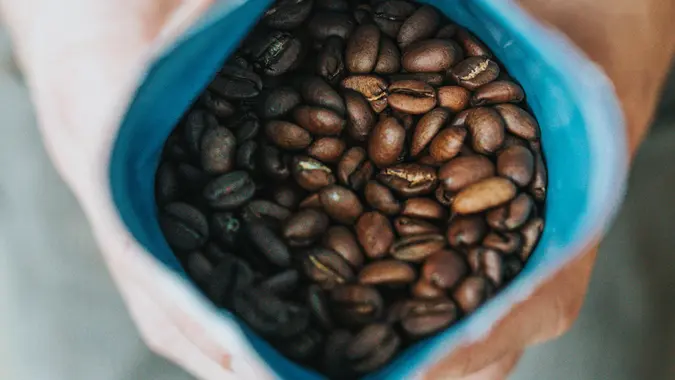
For example, Warren showed how coffee prices spiked from $6.46 per pound in December 2022 to $9.13 in September 2025 after tariffs went into effect on Brazilian imports. “As soon as these tariffs were finally lifted, prices collapsed in a matter of weeks.”
These shifts can make grocery prices feel unpredictable, even when broader inflation appears stable.
Grocery Categories Most Vulnerable to Price Swings
Not all grocery items respond to cost pressures the same way. Products tied to global supply chains, climate-sensitive growing conditions and other factors tend to experience sharper price volatility, Oren said.
Some of the most vulnerable products include beef, eggs, coffee and sugar-based items like chocolate and candy, according to Oren. Warren added seafood and produce to that list.
In contrast, domestically produced items may be somewhat insulated but are not totally immune to sudden spikes. Domestic commodities such as dairy and meat can also see price swings. Warren pointed to eggs, which ranged between $4.82 and $6.27 on average in March 2025 due to the avian flu.
Labor and Transportation Costs
Even when commodity prices stabilize, labor and logistics remain stubborn drivers of food inflation, Oren said, due to higher wages across farming, processing and retail operations.
These pressures put retailers in the position of having to continue raising prices “without an end in sight,” Warren said.
Will Any Grocery Prices Fall or Stabilize in 2026?
Consumers should not expect grocery price movement to be uniform, Oren said. “Some increases tied to temporary supply disruptions or short-term inflation pressures may drop. Others linked to climate impacts or structural labor issues are more likely to persist.”
This uneven landscape means shoppers will likely encounter both price drops and increases across different aisles.
How Retailers and Shoppers Are Adapting To Ongoing Price Volatility
Retailers are adapting by expanding private-label offerings and selectively passing along increases, but households can still find ways to manage costs, Oren said.
Strategies include stocking up on nonperishable items during sales, buying private-label brands, using loyalty programs and cash-back tools and planning meals ahead to reduce waste.
While price swings may continue, small adjustments can still help households stay in control of their grocery budgets.
Editor’s note on political coverage: GOBankingRates is nonpartisan and strives to cover all aspects of the economy objectively and present balanced reports on politically focused finance stories. You can find more coverage of this topic on GOBankingRates.com.
More From GoBankingRates