4 Places Retirees Should Avoid Moving To in 2026 — According to Real Estate Agent
 Written by
Vance Cariaga
Written by
Vance Cariaga
 Edited by
Rebekah Evans
Edited by
Rebekah Evans
Commitment to Our Readers
GOBankingRates' editorial team is committed to bringing you unbiased reviews and information. We use data-driven methodologies to evaluate financial products and services - our reviews and ratings are not influenced by advertisers. You can read more about our editorial guidelines and our products and services review methodology.

20 Years
Helping You Live Richer

Reviewed
by Experts

Trusted by
Millions of Readers
Retirees need to weigh a lot of different things when considering where to move. Maybe the most important consideration is affordability — both in housing and living expenses. Many retirees live on fixed budgets, so they need to move where those budgets don’t get stretched thin.
With this challenge in mind, below are four places retirees might want to avoid moving to in 2026, according to Damarys Cover, seniors real estate specialist with Damarys & Co. Group at Fox & Foxx Realty.
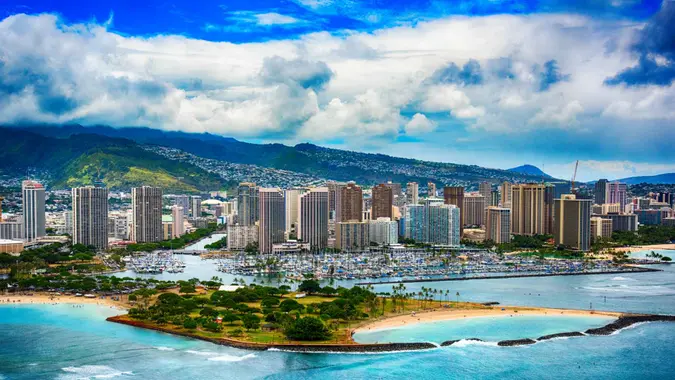
Honolulu
The main problem Honolulu poses to retirees is its high costs. It ranks as the fourth most expensive housing market in the country, according to an analysis from Kiplinger. The average home price in Hawaii’s capital was $1.61 million as of August 2025 — nearly three times more than the national average
Here is Cover’s quick take on why retirees should carefully consider whether they want to move to Honolulu in 2026:
- High housing costs combined with an elevated overall cost of living can strain retirement budgets.
- Non-housing expenses often play a larger role in long-term affordability than retirees initially anticipate.
- Regional cost-of-living data consistently places Hawaii among the highest nationwide.
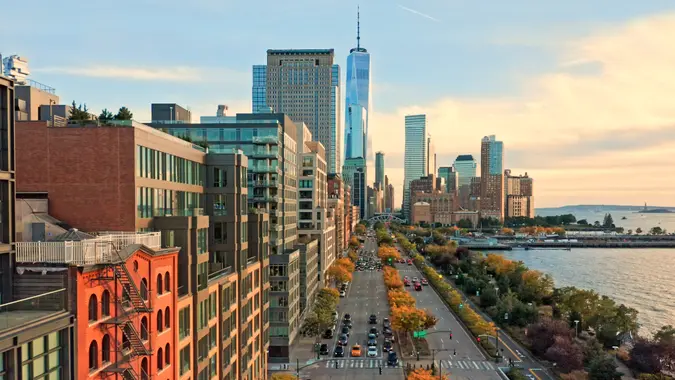
Greater New York Metro Area
In addition to New York City, this area includes White Plains, N.Y. and Jersey City, N.J. Again, affordability is the main challenge for retirees here. Three NYC boroughs rank among Kiplinger’s list of most expensive housing markets in the country: Queens (No. 6), Brooklyn (No. 5) and Manhattan (No. 1).
Here’s Cover’s quick take:
- Year-to-date prices remain among the highest nationally, with continued appreciation into third quarter.
- High purchase prices are compounded by elevated recurring ownership costs.
- Even equity-rich retirees may struggle to preserve cash flow in markets with rising monthly expenses.
San Jose-Sunnyvale-Santa Clara, California
This Silicon Valley hub is also one of the most expensive housing markets in the country, with San Jose ranking as the second priciest behind Manhattan in the Kiplinger analysis.
Here’s Cover’s quick take:
- Extremely high entry prices raise the long-term cost of ownership, even for retirees with significant equity.
- Many retirees face a mismatch between paper wealth and monthly affordability.
- Insurance availability and rising premiums add another layer of cost uncertainty for fixed-income households.
Trenton, New Jersey
In terms of home prices, Trenton is cheap compared with the other places on this list. In September 2025, the median listing home price in Trenton was $250,000, according to Realtor.com. The problem is, prices here were up 4.2% year-over-year — much higher than the 0.4% gain Realtor.com reported nationally.
“Trenton ranked among the fastest-appreciating large U.S. markets in 2025, with strong year-over-year price growth reinforced by Q3 momentum,” Cover said.
Here’s her quick take:
- Rapid appreciation can make downsizing within the same market more expensive while increasing pressure on property assessments.
- Retirees often want to remain close to family and healthcare networks. Fast-rising prices can limit local housing options and flexibility.
- New Jersey consistently ranks highest nationally for effective property tax rates, creating ongoing affordability challenges for retirees on fixed incomes.
More From GOBankingRates