I Retired Outside the US and I Regret It — Here’s Why
 Written by
Tobi Opeyemi Amure
Written by
Tobi Opeyemi Amure
 Edited by
Brendan McGinley
Edited by
Brendan McGinley

Commitment to Our Readers
GOBankingRates' editorial team is committed to bringing you unbiased reviews and information. We use data-driven methodologies to evaluate financial products and services - our reviews and ratings are not influenced by advertisers. You can read more about our editorial guidelines and our products and services review methodology.

20 Years
Helping You Live Richer

Reviewed
by Experts

Trusted by
Millions of Readers
I retired from my job in the United States convinced that moving abroad would finally deliver the freedom I craved. Lower rent, cheaper healthcare and romantic images of European streets made life overseas look safer than staying put in America. Only after settling in did I realize my retirement dream came with hidden costs that no spreadsheet or brochure had shown.
I first shared my story in a thread on Reddit’s r/expats, where Americans ask if others regret leaving the US. Honestly, I now question whether the financial upside of retiring abroad truly outweighs everything I gave up.
Why I Left the U.S.
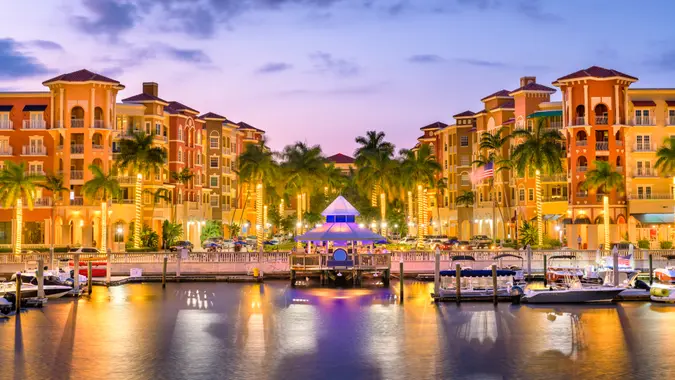
In my final working years, every bill grew faster than my paychecks, especially housing, healthcare and basic groceries. I watched colleagues delay retirement repeatedly because they feared outliving their savings if they stayed in an expensive American city. Retirement abroad started to look less like an adventure and more like my only realistic path to quitting work before seventy.
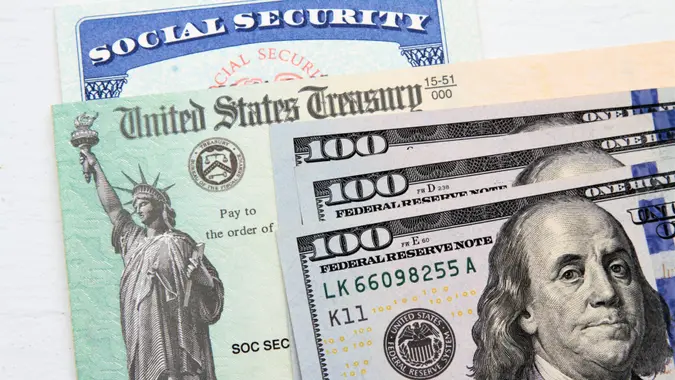
I began researching countries where my nest egg could stretch further without sacrificing safety, decent healthcare or a decent quality of life. Articles about Americans living overseas, especially in Europe and Latin America, made the math look almost embarrassingly easy compared with staying home. According to CNN, hundreds of thousands of retirees now receive Social Security while living in foreign countries.
Seeing those numbers convinced me I was simply joining a smart, growing trend rather than taking an irrational leap into the unknown. I sold my house, downsized my belongings and signed a lease in a charming historic neighborhood that looked perfect in photos. What I barely considered was how deeply I’d miss my children, friends and familiar routines once the moving boxes disappeared.
When the Honeymoon Ended
The first months abroad felt like a vacation; every café, market and side street seemed proof I’d escaped an exhausting American grind. I filled my days wandering, practicing phrases in the local language or posting pictures that made everyone back home slightly jealous. During that honeymoon phase, I honestly believed I’d never look back or question the decision that brought me here.
Slowly, the novelty faded and ordinary life replaced sightseeing. Instead of museums, my calendar is filled with errands, utility issues and repeated trips to various offices to sort bureaucratic details. Each interaction reminded me I was an outsider who spoke haltingly, often missing subtle points that mattered more than I realized.
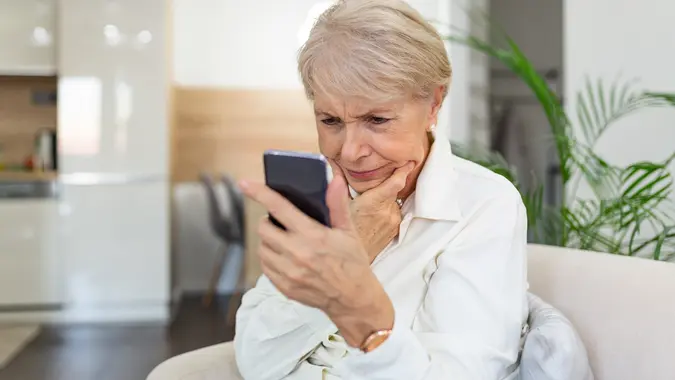
Socially, I struggled more than expected, even though expat forums had promised ready-made communities for retirees starting over abroad. People were friendly at the surface level, but building deeper friendships proved difficult when everyone already seemed to have established circles. Some days, I felt exactly like the posters who wrote that living abroad made them lonelier than they’d ever felt back home.
Money, Bureaucracy and Health
On paper, my rent was lower than what I paid in the US, but other expenses quietly crept higher than forecasted. Imported items, occasional flights home, legal fees and translation help all added line items my original retirement budget never properly considered. I realized my “cheaper” life depended on everything going smoothly, which rarely happens when you are navigating a foreign system.
Managing money across borders turned out harder than any blog post had warned, especially around banking, taxes and retirement withdrawals. I spent hours reading government sites and still hired professionals to avoid costly mistakes, shrinking the savings I’d hoped to protect.
Healthcare was another shock, even though it cost less as a percentage than my previous American premiums and copays ever did. Finding English-speaking doctors, understanding coverage rules and arranging follow-up care required stamina I didn’t always have as an older retiree.
The Emotional Cost of Distance
What hurt most wasn’t bureaucracy or budgets, but the slow realization that I was missing real-life events back in the States. Birthdays, graduations and casual Sunday dinners with family were replaced by video calls that ended with awkward goodbyes and quiet apartments. Over time, my relationship with the U.S. shifted from frustration about politics and prices to nostalgia for community and shared history.
What I Wish I’d Done Differently
My biggest regret is not treating this move as a long-term trial instead of a near-permanent decision tied to selling everything. I wish I had rented short-term, kept my home base a little longer and permitted myself to reverse course quickly. I also regret assuming that escaping American stress automatically meant gaining happiness, rather than realizing happiness depended on connection and realistic expectations.
More From GOBankingRates