I Asked ChatGPT How To Make My Retirement Money Last 30-Plus Years — Here’s What It Said
 Written by
Karen Doyle
Written by
Karen Doyle
 Edited by
Jenna Klaverweiden
Edited by
Jenna Klaverweiden

Commitment to Our Readers
GOBankingRates' editorial team is committed to bringing you unbiased reviews and information. We use data-driven methodologies to evaluate financial products and services - our reviews and ratings are not influenced by advertisers. You can read more about our editorial guidelines and our products and services review methodology.

20 Years
Helping You Live Richer

Reviewed
by Experts

Trusted by
Millions of Readers
There is a lot of information out there about how to save for retirement.
What isn’t talked about as much, however, is how to spend in retirement. In other words, how to make your money last for 30 years or more. GOBankingRates asked ChatGPT how to make retirement money last 30-plus years.
Plan Your Withdrawals
To make sure that you don’t outlive your money, you need to base your withdrawals on your account balance. The wisdom of living within your means is even more important in retirement.
The 4% rule is a good starting point. There is, however, the possibility that you will be unlucky and end up with negative returns and high inflation in the first few years of retirement. For this reason, ChatGPT identified a more conservative option of withdrawing 3% to 3.5% per year.
Watch Your Asset Allocation
Conventional wisdom says to invest more conservatively as you age. That said, you don’t want to be too conservative, because that means you could miss out on a market rally that could really boost your portfolio right when you need it.
ChatGPT suggested 50% to 65% in stocks, 25% to 40% in bonds and 5% to 10% in cash.
Watch Out for Three Risks
ChatGPT cited three risks that can torpedo a retiree’s well-thought-out spending plan.
- Inflation: Plan for 2.5% to 3% annual inflation, and know which steps to take to combat higher-than-average inflation.
- Healthcare: Costs for healthcare typically increase as you age. Using the funds in a health savings account can be a good way to use pretax money for healthcare, so max out your contribution to that if you can.
- Taxes: Pay attention to your taxes as you withdraw money from your retirement savings.
Get the Most You Can From Social Security
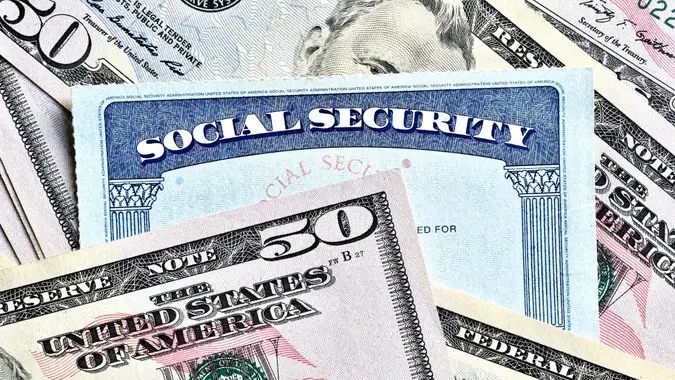
Delaying your Social Security benefits until age 70 can be a big help in terms of bringing in a larger income stream. After full retirement age, your Social Security benefit increases by about 8% per year until age 70 if you don’t file.
That means a larger benefit every month from age 70 on, which can be significant if you live a long time.
Plan Ahead for Down Years
We hear a lot about average returns when talking about the market. But once you start withdrawing from your investments, averages matter less than what’s known as sequence of returns. If the first two or three years of your retirement happen to be down years, you’ll have to make up a lot of ground in the ensuing years.
You can plan for down years in two ways: know where you can cut back and spend less until the market bounces back and keep one to two years’ worth of expenses in cash.
Review Your Plan Annually
You don’t want to spend your retirement tracking spending and watching your investments every day, but an annual review is a good idea.
Rebalance your portfolio to maintain the asset allocation you’ve planned for, check your withdrawal rate and adjust your spending for current market conditions. And avoid reacting to the headlines.
Editor’s note: This article is for informational purposes only and does not constitute financial advice. Investing involves risk, including the possible loss of principal. Always consider your individual circumstances and consult with a qualified financial advisor before making investment decisions.
More From GOBankingRates