10 Least Affordable Cities for Retirees To Grow Old at Home
 Written by
Kerra Bolton
Written by
Kerra Bolton
 Edited by
Rebekah Evans
Edited by
Rebekah Evans
Commitment to Our Readers
GOBankingRates' editorial team is committed to bringing you unbiased reviews and information. We use data-driven methodologies to evaluate financial products and services - our reviews and ratings are not influenced by advertisers. You can read more about our editorial guidelines and our products and services review methodology.

20 Years
Helping You Live Richer

Reviewed
by Experts

Trusted by
Millions of Readers
The dream of “aging in place,” staying in the home and community you love, is becoming harder to afford.
“Housing is the main driver. In 2025, median rents in coastal metros exceeded $3,500 per month, while property insurance in Florida rose 40% year over year,” said Christopher Stroup, founder and president of Silicon Beach Financial.
“Add escalating healthcare costs, which are up roughly 6% annually and retirees face a steep affordability gap even after decades of saving,” Stroup added.
As fixed incomes struggle to keep up with rising expenses, even long-time homeowners are finding it difficult to sustain the costs of taxes, insurance and maintenance. Here are 10 least affordable cities for retirees to grow old at home.
San Francisco
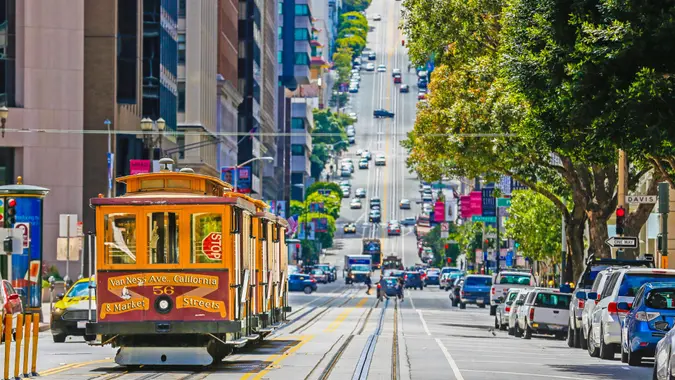
According to Redfin, median home values hover near $1.4 million and rents surpass $3,500 in many neighborhoods, per Zillow. Even affluent retirees feel the strain as property taxes and maintenance for older homes stack up. According to LendingTree, Social Security covers only about 24% of local retiree expenses, making it one of the toughest cities in the U.S. to sustain a fixed-income lifestyle.
New York
According to Redfin, New York City remains one of the most expensive places in the country for retirees or anyone to call home. Adam Hamilton, CEO of REI Hub, said limited housing supply and soaring demand have pushed rents to some of the highest levels in the nation. State and local taxes further erode fixed incomes and even with senior programs and discounts, maintaining independence in the city can quickly become cost prohibitive.
Miami
Despite no state income tax, retirees here face sky-high insurance premiums and escalating property values, per Great Florida Insurance. According to Gulf Coast News, homeowners are paying 40% more for coverage than a year ago, largely due to hurricane risk. Add healthcare costs and the region’s overall cost of living and aging comfortably by the coast becomes a luxury.
Los Angeles
A long-time favorite for retirees seeking warm weather and culture, Los Angeles has seen average retiree spending exceed $68,000 per year, as reported by AOL — while Social Security covers less than 25% of that amount, per LendingTree. From energy bills to in-home care, costs rise faster than fixed incomes can stretch.
Seattle
Seattle’s combination of tech-driven housing prices and steep healthcare expenses makes it a surprising challenge for retirees. According to Zillow, average home prices remain around $850,000 and homeowners’ insurance has risen nearly 20% in 2024, per LendingTree. While healthcare quality is high, the overall cost of aging in place is among the nation’s steepest.
San Jose, California
Once a quiet retirement option, Silicon Valley now demands big-city dollars. With median home prices at $1.4 million, per Redfin and a cost of living 81% above the national average (per Payscale), staying put in San Jose requires significant savings or outside income. Utility and property taxes further drive up monthly costs.
Boston
Boston’s strong healthcare infrastructure comes at a cost. High property taxes, cold-weather maintenance and expensive supplemental Medicare coverage make it difficult for retirees to maintain their standard of living without drawing heavily from investments. According to Zillow, the average rent is $3,200, further straining fixed incomes.
Honolulu
Paradise has a price tag. Honolulu combines high grocery, healthcare and housing costs with shipping-driven inflation that keeps everyday items expensive. According to Zillow, the average home value exceeds $750,000, while groceries cost about 50% more than the national average, per World Population Review. Property upkeep and hurricane insurance add another layer of expense.
Washington
The nation’s capital offers world-class healthcare and transit, but at a premium. Per Zillow, the average rent is $2,500 and Social Security covers only about 25% of average retiree spending, according to LendingTree. Add property taxes and HOA fees and aging in place here often requires downsizing or relocation.
San Diego
Retirees drawn by the climate often face sticker shock. According to Zillow, average home prices hover around $981,176 and electric rates are among the highest in the country, per Energysage. Medical and in-home care services are competitive and costly, according to CareScout — leaving little room for discretionary spending.
How Retirees Are Adapting
Stroup said many retirees are moving inland to more affordable metros such as Raleigh, NC, Boise, ID and Tucson, AZ or experimenting with shared-housing models that let them split utilities and home care costs with friends or family.
For those determined to stay, Stroup recommended reviewing cash flow, taxes and Medicare options with a financial planner. Small adjustments, like appealing property taxes or converting to energy-efficient systems, can free up thousands per year.
“The goal isn’t just to stay put,” Stroup said. “It’s to stay sustainably, without jeopardizing long-term financial security.”
More From GOBankingRates