Most Americans Can’t Handle a $400 Expense — Here’s How To Change That
 Written by
Cindy Lamothe
Written by
Cindy Lamothe
 Edited by
Zuri Anderson
Edited by
Zuri Anderson
Commitment to Our Readers
GOBankingRates' editorial team is committed to bringing you unbiased reviews and information. We use data-driven methodologies to evaluate financial products and services - our reviews and ratings are not influenced by advertisers. You can read more about our editorial guidelines and our products and services review methodology.

20 Years
Helping You Live Richer

Reviewed
by Experts

Trusted by
Millions of Readers
Life loves throwing curveballs, and sometimes that curveball comes in the form of a $400 surprise expense. Whether it’s a car repair, medical bill or a broken appliance, most Americans aren’t financially prepared to handle it, according to a recent Empower study.
The good news? It doesn’t have to be that way. With a few simple habits and smart planning, you can stop living paycheck to paycheck and start feeling a lot more in control when those unexpected bills pop up.
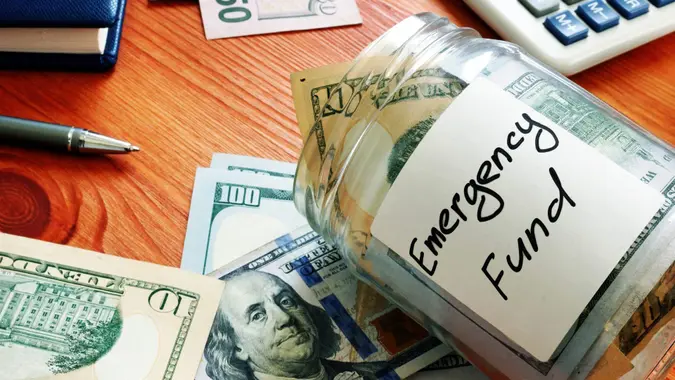
“Many individuals think that to build an emergency fund, you need to make a large deposit,” said Michael Benoit, licensed insurance broker and founder of California Contractor Bond & Insurance Services. “However, by taking small structured actions over time, you can create true financial security.”
Find out how you can turn your finances around and be prepared for the next emergency expense.
Start Small, Save Smart: Make Your Emergency Fund Automatic
The first step in creating an emergency fund, according to Dennis Shirshikov, professor of finance at City University of New York and head of growth and engineering at GrowthLimit, is to change your perspective from saving leftovers to paying yourself first, even if it’s just a little.
“It is not necessary to begin with thousands of dollars,” Shirshikov noted.
You require a framework that enables automatic and reliable saving. Shirshikov noted that the emotional barrier that frequently keeps people from saving is eliminated by separating a savings account from a checking account and setting up an automatic transfer each payday.
“This is effective because the funds are set aside prior to making decisions about spending,” he added.
Starting with $10 or $20 a week can give you confidence and momentum, and once a habit is established, contributions can be increased gradually without feeling constrained.
Find the Money You’re Wasting and Put It To Work
Reducing financial leakage instead of concentrating solely on cutting lifestyle pleasures is another sensible strategy. Unused subscriptions, fees, impulsive online purchases, and high-interest debt payments that deplete future earnings are examples of leakage.
“Measurable progress is made when even a small portion of these funds are transferred to an emergency fund,” said Shirshikov. “Telling someone to make drastic changes to their budget overnight is not as practical or sustainable.”
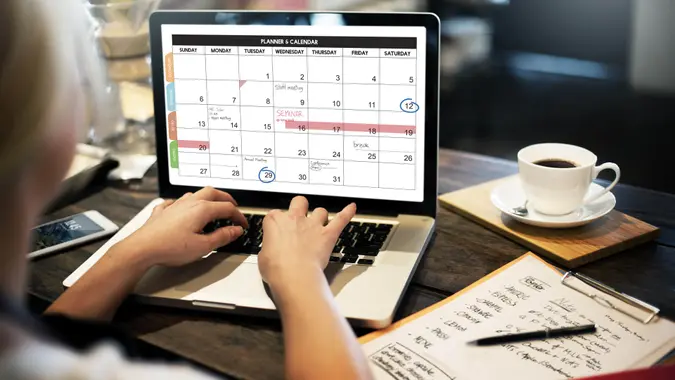
For this reason, he said checking bank statements for recurring charges and creating calendar reminders prior to trial period renewals can be effective first steps.
Boost Your Savings: Small Side Hustles Make a Big Difference
Funding an emergency reserve is another important function of income-based solutions, according to Shirshikov.
Ridesharing, tutoring or skill-based freelancing are examples of small, predictable and repeatable supplemental income streams that can speed up savings without interfering with current financial commitments.
“When a reserve is given a specific source of income, people frequently underestimate how quickly it expands,” according to Shirshikov. “People have more breathing room and make less rash decisions once the emergency fund reaches its first milestone, which is typically between $500 and $1,000.”
More From GOBankingRates