AARP Expert: The $3,600 MRI Price Gap — and How To Avoid Overpaying for Healthcare
 Written by
Gabrielle Olya
Written by
Gabrielle Olya
 Edited by
Molly Sullivan
Edited by
Molly Sullivan

Commitment to Our Readers
GOBankingRates' editorial team is committed to bringing you unbiased reviews and information. We use data-driven methodologies to evaluate financial products and services - our reviews and ratings are not influenced by advertisers. You can read more about our editorial guidelines and our products and services review methodology.

20 Years
Helping You Live Richer

Reviewed
by Experts

Trusted by
Millions of Readers
Healthcare costs are one of the biggest — and most underestimated — expenses in retirement. A 65-year-old who retired in 2025 can expect to spend an average of $172,500 in healthcare and medical expenses throughout retirement, a recent Fidelity study found.
However, there are ways for savvy retirees to save on out-of-pocket costs. The same test, scan or prescription can cost dramatically different amounts depending on where you go, how you pay and which questions you ask. In some cases, the savings can reach into the thousands.
Here are practical, expert-backed strategies retirees can use to lower out-of-pocket healthcare costs and avoid surprise bills.
Shop Around for MRIs and Scans To Avoid the $3,600 Price Gap
Where you get medical care can have a major impact on what you pay. Research cited by AARP found that the same MRI might cost $400 or $4,000, depending on where you go.
“Research has found a wide variety of prices for scans like MRIs or CT scans, and also found that hospital outpatient clinics tend to be more expensive than those in standalone centers or physicians’ offices,” said George Mannes, personal finance editor at AARP The Magazine. “If you need a routine scan, you can shop around.”
A 2018 study from the National Bureau of Economic Research underscores just how costly it can be not to compare prices. It found that patients needing a lower-limb MRI drove past an average of six lower-priced imaging centers on the way to their appointment.
Even if your doctor refers you to one facility, you may have options, and calling around ahead of time can lead to substantial savings.
Ask For the Cash Price — Sometimes It’s Cheaper Than Using Insurance
It may sound counterintuitive, but paying out of pocket can sometimes cost less than going through insurance.
“A provider might rather get cash up-front than deal with the hassle of dealing with your insurance company,” Mannes said.
This approach can be especially helpful for retirees with insurance plans that include a high deductible.
“If you pay out of pocket, it won’t count toward your deductible, but if you doubt you’ll hit your deductible anyway, that won’t matter,” Mannes said.
Before assuming insurance is your cheapest option, ask whether the provider offers a cash price and what that price includes.
Ask the Right Questions Before You Schedule a Test or Procedure
Before agreeing to any medical procedure, it’s important to ask the right questions to ensure you’ll pay as little out of pocket as possible.
“Some questions relate to whether you should have the procedure at all,” Mannes said.
He recommended starting with:
- Why do I need to have this done?
- What will happen if I don’t get it done?
Then, move on to insurance and billing questions, such as:
- Is this an in-network provider?
- Do I need to get prior authorization from my insurer?
“Depending on your insurance, you might ask for the cash price if you bypass insurance,” Mannes said. “Finally, if it’s something more than a scan or a test — say, an actual surgical procedure — you might ask yourself if you want to shop around to see if you can find another provider who might cost less.”
Lower Prescription Costs With Generics and Discount Programs
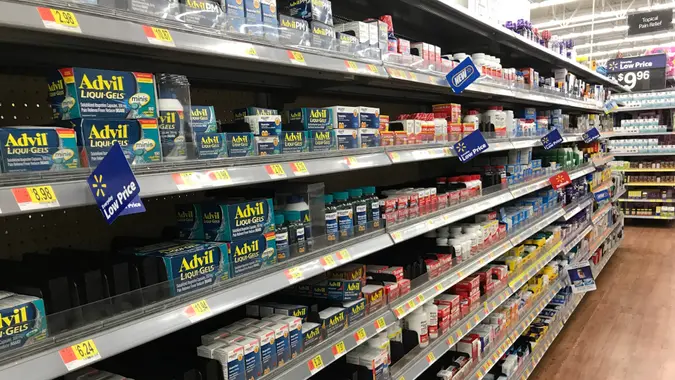
Prescription drugs are another major expense for retirees. According to Investopedia, the average retiree spends $898 per year on medications, including over-the-counter and prescription drugs.
While over-the-counter prices are often harder to control, there are several ways retirees may be able to reduce the cost of prescriptions. Mannes recommended:
- Asking your doctor whether a generic version is available instead of a brand-name drug.
- Using discount programs such as GoodRx, ScriptSave WellRx or Optum Rx at participating pharmacies.
- Filling prescriptions at warehouse clubs like Costco and Sam’s Club, which often offer lower prices.
- Taking advantage of savings cards offered by drug manufacturers for certain medications.
“Savings are all over the map — anywhere from a few dollars to hundreds of dollars a month — as I know from personal experience,” Mannes said.
Healthcare prices often feel set in stone, but they’re not. Much of the savings available to retirees comes down to speaking up, asking questions and taking a few extra steps before scheduling care or filling a prescription.
If you’re willing to ask why you need a procedure, whether there’s a lower-cost location and what you’ll actually pay out of pocket, you may be able to significantly reduce one of retirement’s biggest expenses — without sacrificing the care you need.
More From GOBankingRates