Dave Ramsey To Investors: Don’t Make This Common Mistake During Global Conflict
 Written by
Heather Altamirano
Written by
Heather Altamirano
 Edited by
Rebekah Evans
Edited by
Rebekah Evans
Commitment to Our Readers
GOBankingRates' editorial team is committed to bringing you unbiased reviews and information. We use data-driven methodologies to evaluate financial products and services - our reviews and ratings are not influenced by advertisers. You can read more about our editorial guidelines and our products and services review methodology.

20 Years
Helping You Live Richer

Reviewed
by Experts

Trusted by
Millions of Readers
Investors are closely watching the market, which has drastically fluctuated since the start of the Iran war.
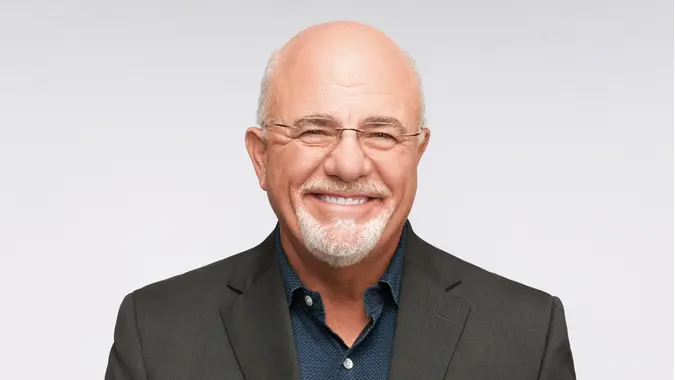
As uncertainty mounts, the market continues to drop, but Dave Ramsey urged people to stay calm. In a March 11, 2026, Facebook video, the finance expert warned against making the following common mistake during a global conflict.
Don’t Panic and Pull Your Money Out
Nobody wants to lose money or see their retirement accounts take a hit when the market dips, but Ramsey said withdrawing is a terrible mistake. He explained that when there’s a geopolitical conflict, it’s normal for the market to “go down” for a short period.
“Those that ride roller coasters only get hurt if you jump off in the middle of the ride,” he said.
Ramsey gave the example of how investors panicked during the pandemic. He reiterated that the market tanked for 57 days, but then it “went back up to where to started.”
Ramsey’s point: pulling out too fast doesn’t help. Temporary market dives will happen and patience is key.
Take a Break From the News
During volatile periods, nonstop media coverage can push investors to make irrational decisions they would not have made otherwise, so Ramsey suggested limiting your news intake.
“If you jump in or jump out every time you see a bad report on CNN or Fox, you are never going to stay invested and you’re never going to make any money,” he said.
Acting on every headline can lead to overtrading and losing money.
Don’t Treat Mutual Funds Like Short-Term Investments
Another mistake long-term investors make, according to Ramsey, is getting spooked by market drops and pulling out of mutual funds early.
“You should never put money in mutual funds unless you’re going to leave it alone for three to five years,” he said. “And over three to five years, all of these problems that drive the market down become a distant memory.”
Because mutual funds are designed for long-term growth, pulling money out too quickly during a global conflict can mean missing the recovery that often follows a downturn.
Geopolitical conflicts are unsettling, especially when prices surge and the market is rattled. However, Ramsey said, history has shown that any drop is temporary and investors who stay disciplined and focused on long-term goals are more likely to come out ahead.
Editor’s note on political coverage: GOBankingRates is nonpartisan and strives to cover all aspects of the economy objectively and present balanced reports on politically focused finance stories. You can find more coverage of this topic on GOBankingRates.com.
This article is for informational purposes only and does not constitute financial advice. Investing involves risk, including the possible loss of principal. Always consider your individual circumstances and consult with a qualified financial advisor before making investment decisions.
More From GOBankingRates