What Trump’s Dispute with the Federal Reserve Means for Interest Rates (and You)
 Written by
Travis Woods
Written by
Travis Woods
 Edited by
Zuri Anderson
Edited by
Zuri Anderson
Commitment to Our Readers
GOBankingRates' editorial team is committed to bringing you unbiased reviews and information. We use data-driven methodologies to evaluate financial products and services - our reviews and ratings are not influenced by advertisers. You can read more about our editorial guidelines and our products and services review methodology.

20 Years
Helping You Live Richer

Reviewed
by Experts

Trusted by
Millions of Readers
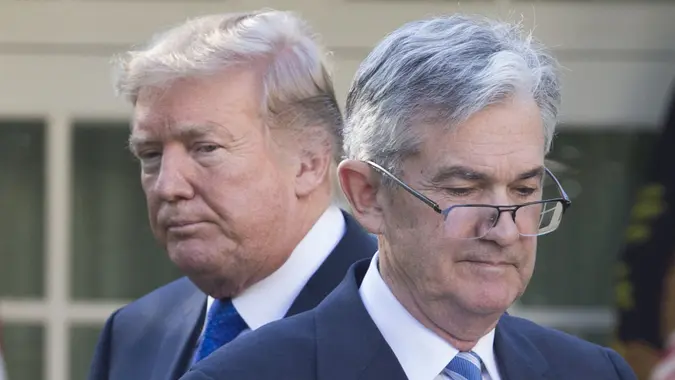
President Donald Trump’s ongoing feud with his own Chair of the Federal Reserve, Jerome Powell, took an unprecedented step this week when his administration opened a criminal investigation into Powell.
Powell, who as Fed Chair has the power to raise or lower interest rates, has argued that this is Trump’s way of strong-arming him into lowering those interest rates. Find out what this latest development means for the economy and your money.
What Is This Feud About?
President Trump has publicly expressed continued anger and frustration with Powell (whom Trump nominated as Fed Chair during his first administration, in 2017) for not cutting rates. Trump has stated that lowering bowering costs would stimulate America’s economic growth, reduce government debt and increase housing affordability. Meanwhile, the Fed has kept interest rates unchanged (around 4.25% to 4.5%) as a means to monitor inflation, per PBS.
What Trump’s Criminal Investigation Into Powell Means
According to Reuters, the Justice Department’s potential indictment of Powell stems from the Fed’s $2.5 billion renovation of two historical buildings that are part of the Fed’s headquarters. The indictment concerns comments Powell made to Congress concerning cost overruns for the project.
However, as Powell said in a public statement addressing the investigation, “This new threat is not about my testimony last June or about the renovation of the Federal Reserve buildings. It is not about Congress’ oversight role… Those are pretexts. The threat of criminal charges is a consequence of the Federal Reserve setting interest rates based on our best assessment of what will serve the public, rather than following the preferences of the President.”
What This Means for Interest Rates (and You)
For now, Fed decision-making regarding interest rates remains independent, and based upon such economic data as inflation, growth and employment, and not presidential pressure. Powell has continually reasserted that Trump’s attacks will not change how the Fed operations, nor can President Trump order a rate cut. Threats against Powell are highly unlikely to change Fed policy.
As for how this controversial investigation will impact interest rates, and your wallet? In the short-term, the answer is most likely not at all. It is possible that Powell, whose tenure ends in May (but has the option to remain as Fed until 2028), may choose to step down this summer, leaving Trump free to nominate a Fed Chair more willing to acquiesce to the president’s demands.
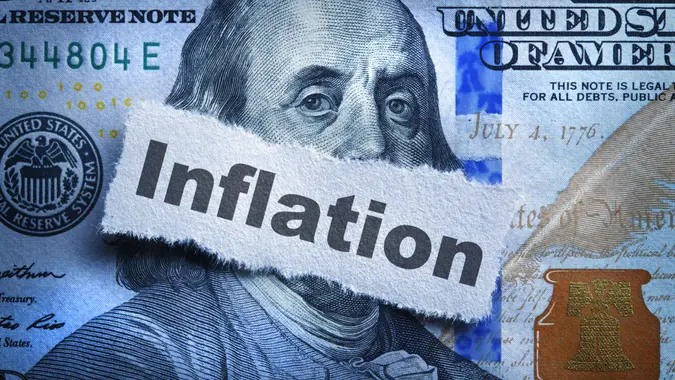
Were that to happen, rates could be cut significantly, meaning your monthly credit and loan payments would lower, and inflation — including the prices for gas, food and utilities — could drop. In the meantime, there is likely to be far more political uncertainty surrounding this explosive situation rather than economic uncertainty. Expect interest rates (and your loan payments) to remain the same for the time being.
More From GOBankingRates