3 Ways the Conflict in Iran Is Impacting Your Retirement Investments Right Now
 Written by
Vance Cariaga
Written by
Vance Cariaga
 Edited by
Zuri Anderson
Edited by
Zuri Anderson

Commitment to Our Readers
GOBankingRates' editorial team is committed to bringing you unbiased reviews and information. We use data-driven methodologies to evaluate financial products and services - our reviews and ratings are not influenced by advertisers. You can read more about our editorial guidelines and our products and services review methodology.

20 Years
Helping You Live Richer

Reviewed
by Experts

Trusted by
Millions of Readers
The stock markets took a hit early Monday following the weekend attacks on Iran by U.S. and Israeli forces that killed Iranian Supreme Leader Ayatollah Ali Khamenei and fed worries about a wider, prolonged conflict.
For investors, such a conflict could spell trouble for their retirement accounts, at least over the near term. Here are three ways the conflict in Iran is already impacting your retirement investments.
Stock Market Volatility
The worst-case scenario is that a prolonged and costly war in Iran could be the “big one that sets off the 2008-style correction,” said Chad Cummings, an attorney and CPA at Cummings & Cummings Law who previously worked in finance and tax.
“We should know by the end of this week, at least with respect to bonds and equities,” he told GOBankingRates. “Real estate and the rest of the macro economy will follow a little later.”
The S&P 500, Dow and Nasdaq each fell hard in early trading Monday, per CNBC, but had recovered most of those losses by midday. When the stock markets go down, 401(k) accounts and IRAs get hit, as well.
But wars don’t always lead to deep selloffs. In fact, a recent analysis from Fidelity found that historically, “There has been little relationship between war and market performance.”
The bigger concern right now is that uncertainty over the conflict could further weaken a stock market that is already rattled by economic worries and AI jitters. This could mean short-term losses in retirement accounts.
Economic Impact
Historically, military conflicts can impact the economy in several ways, according to a 2023 report from Nasdaq. For example, if the government needs to borrow money to finance war efforts, it adds to a bigger national debt burden. This in turn can lead to higher inflation, weaker economic growth and higher interest rates.
Each of those dynamics would have a negative impact on stocks and other investments, which would hurt retirement accounts as well.
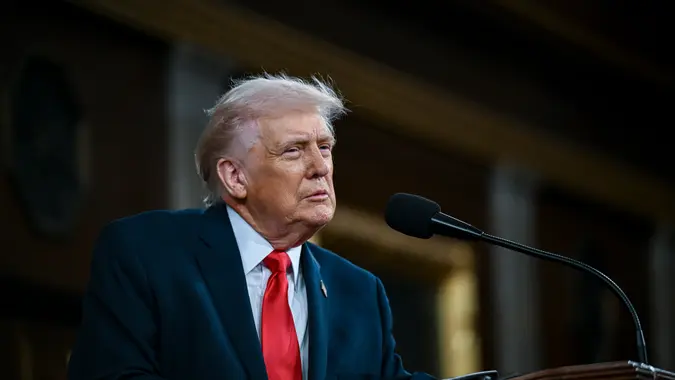
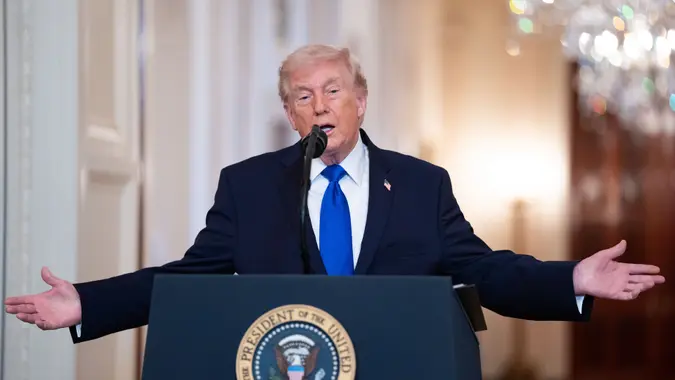
The wild card right now is how President Donald Trump might react to the inflation and interest rate environment. Cummings expects Trump to “double down on his pressure on the [Federal Reserve] to slash rates heading into the midterm campaign cycle.”
Individual Retirement Situations
For certain investors, a down stock market might have an immediate negative impact — especially if you’re a retiree facing required minimum distributions (RMDs).
“Selling equities during a 15% to 20% drawdown locks in permanent loss on that single withdrawal,” Cummings said. “Missing the RMD deadline triggers a 25% excise tax on the undistributed amount. A true no-win scenario.”
Meanwhile, workers with 401(k) loans could face an even harsher situation if the conflict triggers layoffs in travel, logistics, manufacturing or other sectors.
“All of those are possible if this war continues beyond the 60-day mark,” Cummings added. “Failure to repay converts the balance into a taxable distribution” that could also lead to penalties.
Editor’s note on political coverage: GOBankingRates is nonpartisan and strives to cover all aspects of the economy objectively and present balanced reports on politically focused finance stories. You can find more coverage of this topic on GOBankingRates.com.
More From GOBankingRates