Why Americans Are Saving Less for Retirement — and How You Can Still Save
 Written by
Travis Woods
Written by
Travis Woods
 Edited by
Jenna Klaverweiden
Edited by
Jenna Klaverweiden

Commitment to Our Readers
GOBankingRates' editorial team is committed to bringing you unbiased reviews and information. We use data-driven methodologies to evaluate financial products and services - our reviews and ratings are not influenced by advertisers. You can read more about our editorial guidelines and our products and services review methodology.

20 Years
Helping You Live Richer

Reviewed
by Experts

Trusted by
Millions of Readers
Americans are saving less and less for retirement to help make ends meet, and new data suggests this frugality could have serious and long-lasting consequences.
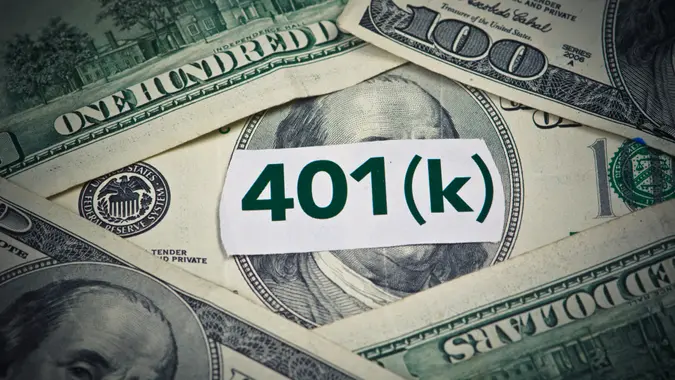
As CBS News recently reported, American workers have begun reducing contributions to their 401(k) plans in the face of rising financial pressures, which some money experts are calling a warning sign that long-term American retirement may be in jeopardy.
Who Is Pulling From Their 401(k) Plans?
“This should be a warning sign,” Jason Rahlan, global head of sustainability and impact at Dayforce, said to CBS News of the recent numbers indicating a downturn in contribution amounts. One year ago, full-time workers had a 401(k) contribution rate of 9.2%. Today, that number has fallen to 8.9% — the first time the numbers have fallen since Dayforce began tracking contributions in 2023.
The capital management company found that contributions declined the most among those in the $50,000-to-$100,000 income bracket.
Why Depleting Your 401(k) Is So Risky
Most employees are contributing less (and even pulling from retirement savings early) thanks to the rising cost of living in America. It’s a trend that, if continued, could have dangerous results for the future, as retirement savings benefit from regular contributions and compound growth. Decreases and interruptions in contributions disrupt the financial security 401(k) accounts are designed to provide.
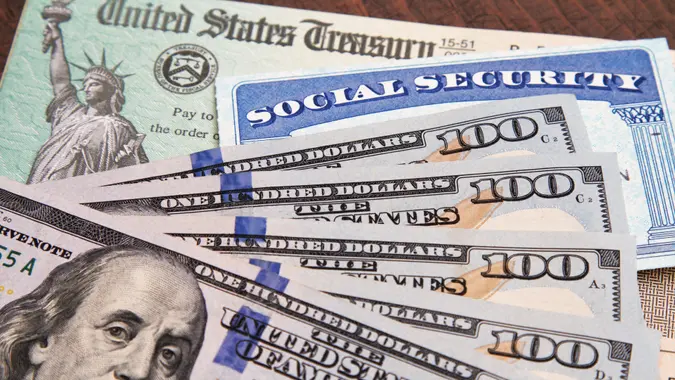
It’s especially precarious when one considers the current state of Social Security. As Ramsey Solutions pointed out last year, Social Security will begin running out of money by 2034, but recent reports put that date at around 2033. After that, “any money you get from Social Security should be considered icing on the cake.” The meaning? It is your retirement savings — such as your 401(k) account — that will keep your golden years afloat after 2033 unless something changes. To pull from it now, or to slow your contributions, is to diminish (or even risk) your own retirement.
How To Keep Saving Even When Money Is Tight
If your budget is stretched, consider the following when trying to build out your retirement contributions:
- Start small: Modest contributions, if made regularly, can preserve long-term growth.
- Use employer matches: If your employer offers matching 401(k) contributions, definitely contribute enough to take full advantage of this.
- Plan for emergencies: If possible, create a small financial cushion for yourself so as to reduce the need to pull from retirement funds when disaster strikes.
More From GOBankingRates