Retirement Hobbies: Best Ideas To Stay Active, Social and Fulfilled
 Written by
Joe Evans, CFHC™
Written by
Joe Evans, CFHC™
Commitment to Our Readers
GOBankingRates' editorial team is committed to bringing you unbiased reviews and information. We use data-driven methodologies to evaluate financial products and services - our reviews and ratings are not influenced by advertisers. You can read more about our editorial guidelines and our products and services review methodology.

20 Years
Helping You Live Richer

Reviewed
by Experts

Trusted by
Millions of Readers
The best retirement hobbies are the ones that fit your energy, interests and lifestyle while helping you stay engaged. For many retirees, the strongest options are hobbies that keep you active, socially connected or mentally challenged, since those areas often have the biggest impact on quality of life after leaving work.
That matters because retirement can open up a lot of free time, but not every activity feels meaningful or sustainable. The right hobby can make your days more enjoyable, help you build a routine and even support healthier aging.
What Are the Best Retirement Hobbies?
The best retirement hobbies usually fall into a few broad categories:
- creative hobbies
- active hobbies
- social hobbies
- intellectual hobbies
- hobbies that can also earn extra income
The best fit depends on what you want most from retirement. Some people want purpose and structure. Others want more connection, movement or creativity. Many want a mix of all three.
Tip: The best retirement hobby is usually not the most productive one. It’s the one you’ll actually keep doing.
Why Are Hobbies Important in Retirement?
Hobbies matter in retirement because they can support your physical health, mental health and sense of purpose. The National Institute on Aging says older adults with active lifestyles may be less likely to develop certain health problems, and it specifically notes that hobbies and social activities may help lower the risk of conditions including dementia, heart disease and stroke.
They can also help with emotional well-being. The CDC says regular physical activity can improve sleep, reduce anxiety and help keep thinking, learning and judgment skills sharper as you age.
A good retirement hobby doesn’t just fill time. It helps you stay healthier, more connected and more satisfied with daily life.
How Do You Choose the Right Hobby in Retirement?
The right hobby depends on what fits your body, budget and personality now, not what sounded appealing 20 years ago. A hobby that looks great on paper won’t last if it feels too expensive, too tiring or too isolating.
Here are a few good filters to use:
Think About Your Physical Ability
Choose something that matches your current mobility and stamina. Some hobbies, like pickleball or hiking, are more active. Others, like writing, drawing or genealogy, are much easier on the body.
Think About Your Budget
Some hobbies need very little to get started, while others can cost much more upfront. Gardening can be inexpensive. Photography and woodworking usually require more gear.
Decide Whether You Want Fun, Income or Both
Some retirees want hobbies mainly for enjoyment. Others want something that could also bring in extra money. Either choice is fine, but it helps to know your goal before you invest time or money.
Follow Your Real Interests
Retirement is a good time to come back to things you already enjoy or finally try something you never had time for. You are much more likely to stick with a hobby that already feels naturally interesting.
What Are the Best Creative Retirement Hobbies?
Creative hobbies can be especially rewarding in retirement because they give you a sense of progress and personal expression. The National Institute on Aging says activities including music, theater, dance and creative writing have shown promise for improving well-being, memory, self-esteem and social interaction in older adults.
Strong creative retirement hobbies include:
- painting or drawing
- writing or blogging
- photography
- woodworking
- crafting or product-making
These hobbies can work well if you enjoy making something tangible or want a project you can improve at over time.
What Are the Best Active Retirement Hobbies?
Active hobbies are a great fit if you want retirement hobbies that support both health and routine. The CDC says adults 65 and older benefit from regular physical activity, and the National Institute on Aging notes that older adults who exercise with others get the added benefit of social connection.
Good active retirement hobbies include:
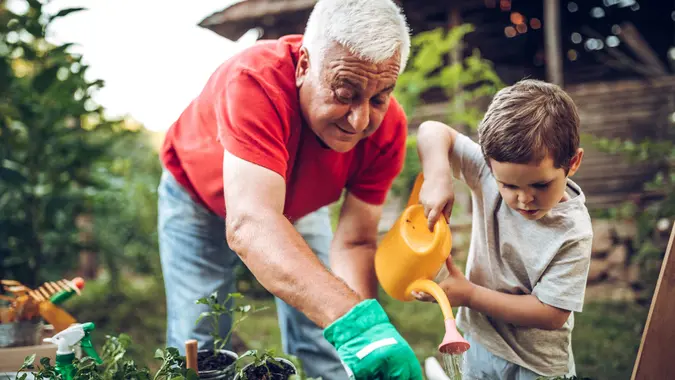
- gardening
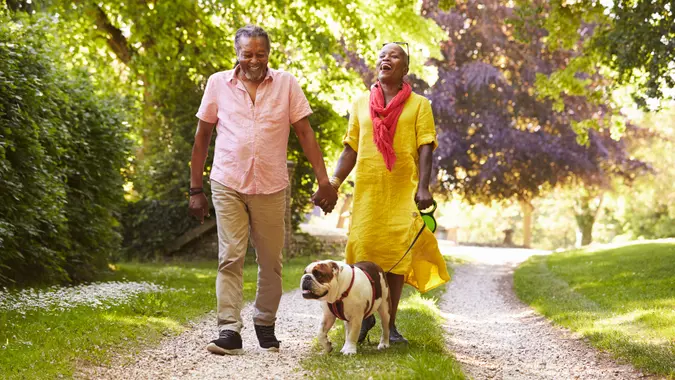
- walking groups
- hiking
- biking
- golf
- pickleball
If you want something you can build into your week easily, walking groups and gardening are often among the simplest places to start.
Tip: If motivation is the hard part, choose an active hobby that involves other people. Social accountability makes it easier to keep showing up.
What Are the Best Social Retirement Hobbies?
Social hobbies can make a big difference because retirement sometimes reduces everyday interaction. The National Institute on Aging says loneliness and social isolation are linked to higher risks for problems like heart disease, depression and cognitive decline.
Good social retirement hobbies include:
- volunteering
- book clubs
- community groups
- cooking classes
- travel groups
- faith-based groups or local clubs
These hobbies work well if one of your goals in retirement is building stronger connection and community.
What Are the Best Intellectual Retirement Hobbies?
If you want to stay mentally engaged, intellectual hobbies can be a strong choice. The National Institute on Aging says learning new skills may help keep older adults cognitively healthy, and it also points to activities like creative writing, music and similar pursuits as promising for well-being and cognitive support.
Good intellectual retirement hobbies include:
- learning a new language
- taking online courses
- genealogy research
- chess
- puzzles
- reading groups
These can be especially appealing if you enjoy problem-solving or want a hobby that feels mentally energizing.
Can Retirement Hobbies Make Money?
Yes, some retirement hobbies can also generate extra income. The best options are usually hobbies that either produce something people will buy or use a skill people will pay for.
Some of the best income-producing retirement hobbies include:
- selling handmade crafts
- photography
- blogging or freelance writing
- tutoring
- pet sitting or dog walking
- consulting in your former career field
That said, not every hobby should become a side hustle. If turning it into income would make it feel stressful, you may enjoy it more if you keep it just for yourself. A retirement hobby can make money, but it doesn’t have to. Enjoyment is still a valid return.
What Are the Best Budget-Friendly Retirement Hobbies?
You don’t have to spend a lot to find good retirement hobbies. In fact, some of the easiest hobbies to maintain are also the cheapest. Low-cost retirement hobbies include:
- walking
- reading
- volunteering
- gardening from seeds
- knitting
- free online courses
- writing
- local library events
These are good choices if you want something meaningful without taking on a new recurring expense.
Which Retirement Hobbies Are Best for You?
The best retirement hobbies usually depend on what you want most right now.
If You Want… Good Hobby Types To Consider More movement Walking, hiking, biking, pickleball, gardening More connection Volunteering, clubs, classes, travel groups More creativity Painting, writing, woodworking, photography More mental challenge Language learning, puzzles, genealogy, online courses Extra income Tutoring, consulting, crafts, writing, pet sitting You don’t need one perfect hobby. Many retirees are happiest with a mix, like one active hobby, one social hobby and one quiet hobby they can do on their own.
Final Take to GO
The best retirement hobbies are the ones that help you enjoy your time, stay engaged and build a retirement life that feels full. For some people, that means gardening and walking. For others, it means writing, volunteering, traveling or learning something new.
A good place to start is with one hobby that fits your energy level, budget and interests right now. You can always add more later, but the easiest way to build a satisfying retirement routine is to begin with something you genuinely want to do.
FAQs About Retirement Hobbies
Figuring out which retirement hobbies are right for you can be confusing, especially if you're trying to balance fun, health, social connection and cost. Here are some common questions that come up:- What Are the Best Hobbies for Retirees?
- The best retirement hobbies are the ones that match your interests, energy level and goals. Popular options include gardening, walking, volunteering, writing, photography, pickleball, reading groups and online learning.
- What Hobbies Are Good for Staying Active in Retirement?
- Walking, gardening, biking, hiking, golf and pickleball are all strong retirement hobbies if you want to stay physically active. Group-based activities can also add a social benefit.
- Can Retirement Hobbies Help With Mental Health?
- Yes. Hobbies can support mental health by reducing stress, creating routine, encouraging social connection and keeping your mind engaged. Some activities may also support cognitive health as you age.
- Can You Make Money From Retirement Hobbies?
- Yes. Some retirement hobbies can turn into extra income, including tutoring, photography, consulting, freelance writing, crafts and pet sitting. The best option depends on your skills and how much time you want to invest.
- What Are the Best Low-Cost Retirement Hobbies?
- Some of the best low-cost retirement hobbies include walking, reading, volunteering, writing, gardening from seeds, free online classes and local community events through libraries or senior centers.
Information is accurate as of April 16, 2026.
Our in-house research team and on-site financial experts work together to create content that’s accurate, impartial, and up to date. We fact-check every single statistic, quote and fact using trusted primary resources to make sure the information we provide is correct. You can learn more about GOBankingRates’ processes and standards in our editorial policy.
- NIH National Institute on Aging "Participating in Activities You Enjoy As You Age"
- NIH National Institute on Aging "Cognitive Health and Older Adults"
- NIH National Institute on Aging "What Do We Know About Healthy Aging?"
- NIH National Institute on Aging "Loneliness and Social Isolation — Tips for Staying Connected"
- U.S. CDC "Physical Activity Benefits for Adults 65 or Older"
- U.S. CDC "Benefits of Physical Activity"