5 SUVs Retirees Should Avoid Plus the 6 Best SUVs To Own on Social Security
 Written by
Laura Beck
Written by
Laura Beck
 Edited by
Brendan McGinley
Edited by
Brendan McGinley
Commitment to Our Readers
GOBankingRates' editorial team is committed to bringing you unbiased reviews and information. We use data-driven methodologies to evaluate financial products and services - our reviews and ratings are not influenced by advertisers. You can read more about our editorial guidelines and our products and services review methodology.

20 Years
Helping You Live Richer

Reviewed
by Experts

Trusted by
Millions of Readers
Choosing the wrong SUV on a fixed Social Security income can drain your retirement savings faster than almost any other purchase. One major repair bill wipes out months of careful budgeting, and one unreliable vehicle means constant trips to the mechanic, constantly forgoing the utility of an automobile even as you’re paying for it.
Chris Pyle, a mechanic who helps customers troubleshoot vehicle problems on JustAnswer, sees which SUVs break down most often and which ones keep running for years with minimal issues. His advice for retirees is simple: avoid the money pits and stick with proven, reliable models.
What Retirees Actually Need in an SUV
“A retired person living on a budget needs to focus on saving money and not wasting their day in a dealership waiting room as their car gets repaired,” Pyle said. The priorities are straightforward: low purchase price, proven dependability and easy entry and exit for older adults and grandchildren.
That last point matters more than most people realize. Climbing into a high SUV with stiff joints or bad knees turns every trip into a struggle. The vehicle needs reasonable ground clearance without requiring a ladder to get in.
Reliability trumps everything else. Fancy features don’t matter if the transmission fails at 60,000 miles and costs $8,000 to replace.
The 5 Worst SUVs for Retirees
These SUVs show up constantly in Pyle’s repair consultations, usually with expensive problems that devastate fixed-income budgets.
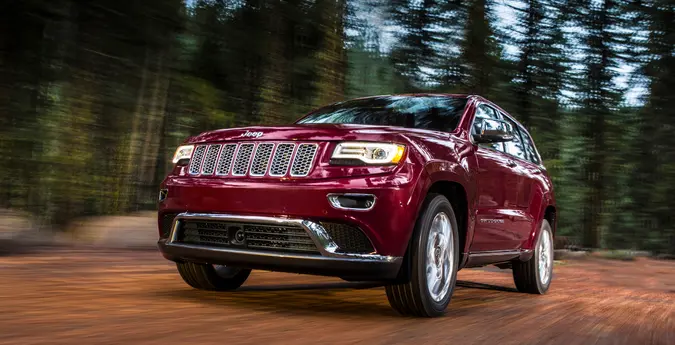
Jeep Grand Cherokee
The Grand Cherokee tops Pyle’s avoid list.
“I help a ton of customers on JustAnswer with issues with these models. Mainly engine and transmission major failures,” he said.
Engine and transmission problems aren’t cheap fixes. These repairs often run $4,000 to $8,000, which can represent months of Social Security payments for many retirees.
Land Rover Discovery
Land Rovers carry luxury price tags for both purchase and repairs. Parts cost more, labor takes longer and specialized mechanics charge premium rates. Even minor issues get expensive fast.
Pyle sees Discovery owners dealing with major mechanical failures that wouldn’t happen in more reliable brands.
Nissan Armada
The Armada joins Pyle’s list of SUVs with serious engine and transmission problems. Full-size SUVs already cost more to maintain than smaller vehicles, so combining that with poor reliability creates a financial nightmare for retirees.
Mini Countryman
Mini markets itself as fun and quirky, but Pyle warns retirees away. The Countryman suffers from the same major failure patterns he sees repeatedly: engines and transmissions giving out prematurely.
Nissan Pathfinder
Nissan appears twice on the avoid list. Pyle’s experience shows the Pathfinder shares the Armada’s tendency toward expensive engine and transmission failures that hit right when retirees can least afford them.
The 6 Best SUVs for Social Security Budgets
Pyle’s recommendations come from both professional experience and personal ownership.
“I own two of these, and they have been great cars,” he said. “After 10-plus years of ownership, I have spent less than $700 on repairs,” outside of normal wear and tear and maintenance.
Less than $700 in a decade means roughly $70 per year in unexpected repairs. That’s manageable on Social Security. Compare that to one transmission replacement on an unreliable SUV.
Ford Explorer
The Explorer offers three-row seating for grandkids, reasonable pricing and solid reliability in Pyle’s experience. Ford has manufactured millions of these, which means parts stay affordable and mechanics know how to work on them.
Kia Sorento
Kia transformed its reputation over the past 15 years by building dependable vehicles backed by excellent warranties. The Sorento gives retirees the confidence of a 10-year/100,000-mile powertrain warranty on new models.
Chevy Trailblazer
The Trailblazer sits on the smaller end of SUVs, which helps with fuel economy and parking. Chevrolet’s widespread service network means finding affordable repairs anywhere in the country.
Honda CR-V
Honda’s reputation for longevity means these SUVs last a long time with basic maintenance. Resale values stay strong too, protecting your investment.
Mazda CX-50
Mazda doesn’t get the attention of Toyota or Honda, but Pyle’s recommendation suggests the CX-50 delivers similar reliability. Mazda has earned strong dependability ratings while often costing less than more popular brands.
GMC Terrain
The Terrain shares mechanical components with other General Motors SUVs, which keeps parts costs reasonable. GMC positions itself slightly upscale from Chevrolet, offering more comfort features without luxury-brand repair bills.
More From GOBankingRates