A Mechanic Said He Would Never Buy an EV — Here’s What Other Auto Experts Had To Say
 Written by
Tobi Opeyemi Amure
Written by
Tobi Opeyemi Amure
 Edited by
Rebekah Evans
Edited by
Rebekah Evans
Commitment to Our Readers
GOBankingRates' editorial team is committed to bringing you unbiased reviews and information. We use data-driven methodologies to evaluate financial products and services - our reviews and ratings are not influenced by advertisers. You can read more about our editorial guidelines and our products and services review methodology.

20 Years
Helping You Live Richer

Reviewed
by Experts

Trusted by
Millions of Readers
So many people are skeptical about buying an electric vehicle (EV), including Florida mechanic Alan Gelfand, who has told GOBankingRates he’ll never buy one. Gelfand’s reservations focus on big-ticket risks like battery replacement costs, limited independent repair access and real-world ownership headaches that he believes many buyers underestimate.
To balance Gelfand’s on-the-ground perspective, Lauren Fix, automotive expert at Car Coach Reports, weighed in on how EVs stack up against gas cars and where the market is actually heading.
Why Gelfand and Other Mechanics Are Wary
Gelfand said he worries out-of-warranty EV battery replacements make long-term ownership an expensive gamble. He argued that while gas cars can easily cover hundreds of thousands of miles with proper maintenance, EV batteries inevitably lose capacity, shrinking range over time. In hot states like Florida, he said heat makes that degradation worse, compounding the risk for drivers who keep vehicles beyond warranty.
He said he’s also troubled by manufacturers locking down software, diagnostics and parts, which pushes owners toward dealership service and away from independent shops. That erodes the traditional advantage of gas cars, where local mechanics can fix most issues quickly, competitively and with plenty of choice for drivers. Fix said those barriers, plus costly specialized tools and training, make EV repairs less profitable and deepen many mechanics’ reluctance to own one themselves.
The Money Problem: Insurance, Depreciation and Daily Costs
Beyond repairs, EVs can strain budgets through higher ongoing costs, starting with steeper insurance premiums than comparable gas models. According to an Insurify report, it costs about 49% more to insure an EV, averaging $4,058 annually versus $2,732 for gas cars. The report linked that gap to pricier repairs and parts, especially when crashes damage battery packs or complex driver-assistance systems that require specialized work.
Depreciation is another financial hit, as iSeeCars data showed EVs lose value nearly 30% faster than gas cars over five years. Fix said that rapid loss makes it harder for cost-conscious drivers to build equity, turning trade-ins into painful surprises instead of financial buffers. She acknowledged that EVs save on some routine maintenance, but Gelfand noted heavier battery packs and instant torque can wear tires faster, adding hidden long-term expenses.
Performance Perks vs. Real-World Trade-Offs
Both Gelfand and Fix agreed that EVs can be genuinely enjoyable to drive, thanks to their quiet cabins, instant torque and smooth, gearless acceleration. Electric powertrains also eliminate tailpipe emissions in daily use, which appeals to drivers who want a cleaner commute without waiting for future technology. For people with short, predictable routes and access to overnight home charging, Lauren said the day-to-day experience can be convenient and low hassle.
The trade-offs appear when drivers lack easy charging or regularly travel long distances, because public fast-charging networks remain uneven and sometimes unreliable. Fix noted that fast chargers can be crowded, out of service or more expensive than drivers expect, especially along busy highway corridors or in colder regions. Gelfand added that planning trips around charging stops instead of quick gas fill-ups still feels like a major step backward in convenience for many of his customers.
What Experts Expect Over the Next Decade
Gelfand has said he would reconsider buying an EV if battery technology allowed packs to last around 300,000 miles and become far cheaper to replace. He also wants manufacturers to open up repair data and parts access so independent mechanics can service EVs as freely as they work on gas cars. Until then, he plans to stick with internal combustion vehicles that he believes offer proven reliability and more predictable long-term costs for his customers and himself.
Fix predicts that unless electricity prices stabilize, charging becomes more reliable and repairs get cheaper, EVs will remain concentrated among enthusiasts and higher-income buyers rather than the mass market. She said she expects hybrids and efficient gasoline cars to dominate over the next five to ten years, even as regulations and corporate strategies keep nudging automakers toward electrification.
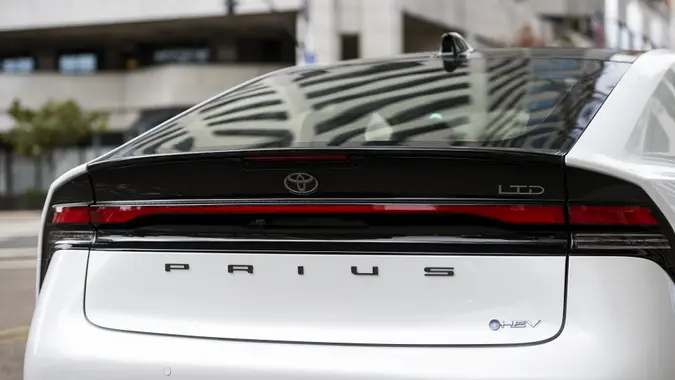
Models like the Nissan Leaf and Toyota Prius, Fix added, should stay in the lineup as durable electrified options, but not necessarily as the default choice for every driver on the road.
More From GOBankingRates