I Asked ChatGPT What Would Happen If Lower-Income Americans Didn’t Pay Taxes — and If the Rich Paid More
 Written by
Lydia Kibet
Written by
Lydia Kibet
 Edited by
Rebekah Evans
Edited by
Rebekah Evans
Commitment to Our Readers
GOBankingRates' editorial team is committed to bringing you unbiased reviews and information. We use data-driven methodologies to evaluate financial products and services - our reviews and ratings are not influenced by advertisers. You can read more about our editorial guidelines and our products and services review methodology.

20 Years
Helping You Live Richer

Reviewed
by Experts

Trusted by
Millions of Readers
When debates about tax fairness heat up, one idea comes up again and again: What if lower-income Americans didn’t pay taxes at all and the rich paid more?
To explore it, I asked ChatGPT how that would actually work in practice. Below is what it said.
Also here is what it would look like if billionaires paid working-class taxes.
Lower-Income Americans Already Pay Little in Federal Income Tax
ChatGPT first pointed out that the U.S. tax system is progressive. Tax rates increase as income rises. Because of that structure and credits like the Earned Income Tax Credit and the Child Tax Credit, many lower-income households already owe little or nothing in federal income tax.
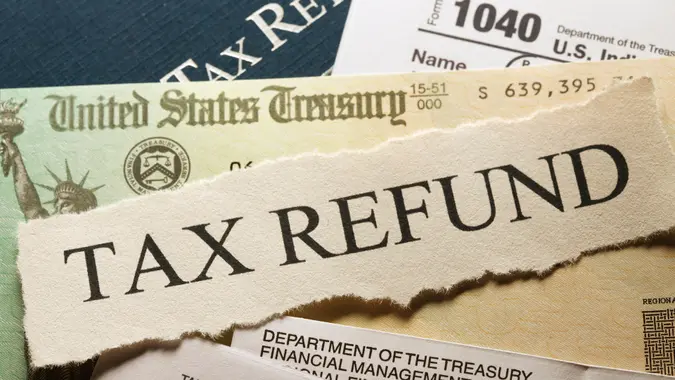
In some cases, refundable credits can even lead to a tax refund that exceeds what was withheld. But that doesn’t mean lower-income Americans pay no taxes at all. They still pay the following.
- Payroll taxes that fund Social Security
- Payroll taxes that fund Medicare
- State income taxes (in many states)
- Sales taxes on everyday purchases
- Property taxes
So eliminating taxes for lower earners would likely require removing payroll taxes, not just income taxes.
What Would Happen If Lower-Income Americans Paid Zero Taxes?
ChatGPT suggested the following short-term effects if lower-income households stopped paying both income and payroll taxes.
- Higher take-home pay
- Reduced financial stress
- Lower poverty rates
- Increased consumer spending
More disposable income could help families cover essentials like housing, food and healthcare. It could also boost local economies, since lower-income households tend to spend a larger share of what they earn.
However, there’s a major funding issue. Payroll taxes are the primary source of revenue for Social Security and Medicare. If lower earners stopped contributing entirely, policymakers would have to:
- Reduce future benefits
- Raise taxes on higher earners
- Increase federal borrowing
- Or shift funding from other programs
What If the Rich Paid More?
Higher-income Americans already pay a large share of federal income taxes. Increasing their tax rates could generate more revenue and reduce after-tax income inequality.
Potential benefits might include:
- Additional funding for government programs
- Lower federal deficits (if spending remains steady)
- Expanded social safety net programs
But ChatGPT also flagged possible trade-offs. Higher taxes can influence financial behavior. Wealthier individuals and businesses may:
- Shift income to lower-tax categories
- Increase tax planning and use of deductions
- Change investment decisions
- Move capital elsewhere
The overall impact would depend on how much taxes increased and which taxes were affected. Is it ordinary income, capital gains or corporate taxes?
While the idea of low-income earners not paying taxes and the rich paying more is interesting, the ripple effects would touch government revenue, retirement programs and economic incentives all at once.
More From GOBankingRates