4 Wealth-Saving Investment Moves Billionaires Make When Markets Go Wild
 Written by
Sarah Sharkey
Written by
Sarah Sharkey
 Edited by
Cory Dudak
Edited by
Cory Dudak

Commitment to Our Readers
GOBankingRates' editorial team is committed to bringing you unbiased reviews and information. We use data-driven methodologies to evaluate financial products and services - our reviews and ratings are not influenced by advertisers. You can read more about our editorial guidelines and our products and services review methodology.

20 Years
Helping You Live Richer

Reviewed
by Experts

Trusted by
Millions of Readers
When the markets get wild, some billionaires take an entirely different tack than the traditional advice. It makes sense because billionaires face an entirely different set of money management challenges.
However, their choices could offer some insight into potential investment strategies for when the stock market feels like a roller coaster ride.
1. Maintain Liquidity To Take Advantage of Potential Opportunities
The ultra-wealthy tend to see a strategic advantage in maintaining liquidity during turbulent markets. In other words, they keep a robust hoard of cash or cash equivalents on hand to weather any storms that come their way. In addition to weathering economic downturns, many billionaires look for opportunities to buy undervalued assets during a tough economy.
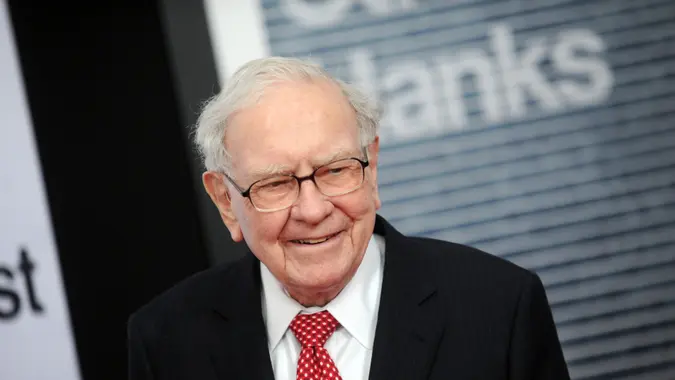
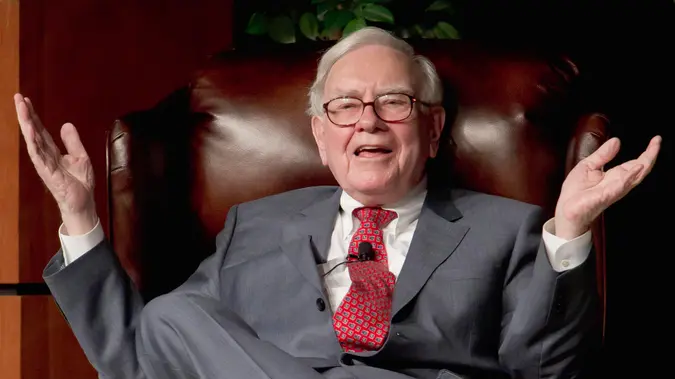
Warren Buffett is one well-known billionaire investor who uses a cash pile to capitalize on opportunities during downturns. Recently, his company, Berkshire Hathaway, held a surprisingly large war chest of over $300 billion, according to company documents. It’s possible Buffett or his successor will deploy this cash to acquire undervalued assets as the opportunities arise.
Although you won’t stockpile billions of dollars, it’s a good idea to have an emergency savings account to weather tough financial times. Additionally, it’s helpful to have some extra savings on hand to jump on opportunities that arise.
2. Remain Focused on the Long-Term
Billionaires typically choose to look at a long-term investment horizon. Instead of making decisions to maximize profit in the next week or month, they look for ways to maximize their investment portfolio’s potential over time. After all, many plan to pass on large amounts of wealth to their heirs, according to the UBS Billionaire Ambitions Report 2025.
When planning out your own financial future, it’s also a good idea to look at the long-term. Of course, you might need to start with short-term goals like paying down debt or building an emergency fund. But, at some point, you’ll also save for a retirement that might be decades into the future. Keeping a long-term outlook can make it easier to stick to your investment plan instead of splurging now.
3. Diversify Beyond the Stock Market
Billionaires rarely invest solely in the stock market. Most look beyond the stock market to include other asset classes in their investment portfolio, like stakes in private companies, real estate or even their own startups. For example, Bill Gates famously owns the most farmland in the United States, according to Forbes.
On average, high-net-worth individuals hold less than 50% of their wealth in the stock market. Real estate equity and private company equity holding an average of 17% and 15%, respectively, according to a report from Long Angle.
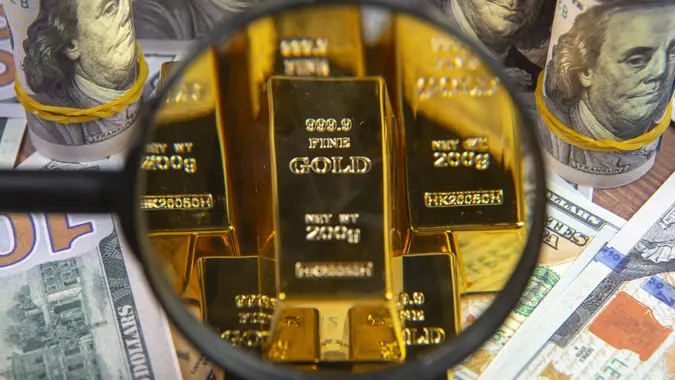
Investing in real estate isn’t the right choice for everyone, of course. But for many investors looking to diversify, adding real estate to the mix could make sense. Other alternative assets to consider include gold and crypto.
4. Diversify Internationally
Beyond investing in a wide mix of assets, some billionaires intentionally invest beyond their home country’s borders. The goal of global diversification is to hedge against the volatility tied to any single economy or political regime, according to Forbes.
Since it’s possible to spread capital across many markets and currencies, this different style of diversification can help to mitigate country-specific risks. As an average investor, choosing to invest in a global ETF could give you broader exposure to the world markets if that’s something you’d like to include in your portfolio.
More From GOBankingRates