Mark Cuban Just Exposed a Social Security Flaw That Every Senior Needs To Watch For
 Written by
Angela Mae Watson
Written by
Angela Mae Watson
 Edited by
Levi Leidy
Edited by
Levi Leidy

Commitment to Our Readers
GOBankingRates' editorial team is committed to bringing you unbiased reviews and information. We use data-driven methodologies to evaluate financial products and services - our reviews and ratings are not influenced by advertisers. You can read more about our editorial guidelines and our products and services review methodology.

20 Years
Helping You Live Richer

Reviewed
by Experts

Trusted by
Millions of Readers
Social Security is a topic of much discussion, and for good reason. As per the Social Security Administration (SSA), nearly 69 million Americans receive some kind of Social Security benefit. This includes retired workers and their dependents, disabled workers and their dependents and survivors.
The average Social Security benefit for retirees is just under $2,000. But while the program was initially designed as a way to supplement retirement income, many recipients rely on it as a primary source of income. In fact, benefits account for 31% of overall income for those ages 65-plus.
Given how important these monthly paychecks are for people, it’s no wonder that even seemingly small changes to the system are cause for concern. Billionaire investor Mark Cuban pointed out earlier this year there are some major flaws that people (especially seniors) should know about.
Mark Cuban: Backdoor Way To Cut Benefits
In a Bluesky post from March 2025, Cuban wrote the following message about Social Security: “The administration is removing phone support for Soc Security recipients. Making it more difficult for seniors to get their checks. It’s a back door way to cut SS benefits. Horrific.”
This post was created in response to Elon Musk’s overhaul of Social Security operations and the Department of Government Efficiency’s (DOGE’s) attempts to cut down on alleged fraud in the system.
Mark Cuban Warns 4 Key Industries Could Crumble in the Next Recession
As for concerns about Social Security no longer having phone support, this also appears inaccurate. The SSA offers several automated phone services to those who need them. This includes benefits verification and claim status checks. Social Security recipients can also change their address or request Medicare or tax forms via phone.
In another post on X, Mark Cuban cited a second financial trap for seniors: “Got to give Doge credit for being the first to cut entitlements. End telephone support for Social Security, cut dozens of SS offices and make Grandma and Grandpa finally get online to confirm their payments. What an amazing back door way to cut payments!”
Closing Social Security offices means recipients must go online to access their benefits. For seniors, this can be a major barrier — both to confirming their benefits and maintaining them.
Note: In March, the SSA noted there are no expected permanent closures of any local offices.
Online Payments: Efficient but (Possibly) Concerning
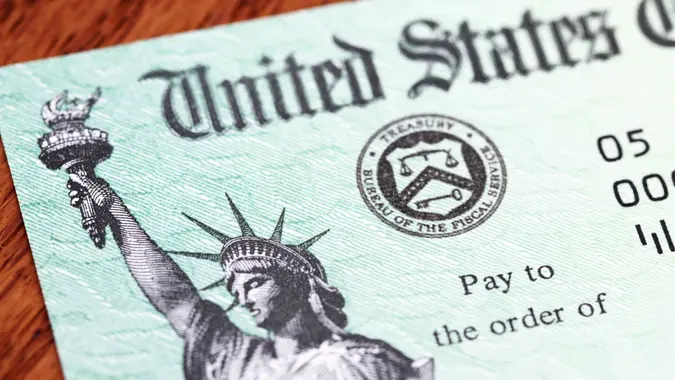
While phone support is still largely available, automated services can be frustrating. There’s also the fact that Social Security recipients can no longer receive payments via paper checks in most cases (as of Sept. 30, 2025).
Instead, payments are issued via direct deposit (for those with a bank account) or Direct Express® Card (for those without a bank account). Enrollment can be done online or via phone:
- 1-800-772-1213 for direct deposit
- 1-800-333-1794 for Direct Express® Card
This is meant to make things more efficient and secure. After all, electronic payments can arrive faster and directly into the linked account.
But this can be a problem for older individuals who aren’t as accustomed to technology. Failure to transition over to the new system could mean a (temporary) disruption in payments.
Social Security: What’s Next?
Social Security has been around since the 1930s. And while there’s a very real chance of insolvency sometime in the next 10 years or less, this doesn’t necessarily mean benefits will be gone. If no changes are made, the program expects to be able to still pay out 80% of the scheduled benefits amount.
Changes to the system, such as how payments are received, can make things tricky for seniors or those who don’t prefer the use of technology. Limiting access can be stressful and, in some cases, financially detrimental. But benefits are currently still available and accessible online, via phone and at local offices.
More From GOBankingRates