6 Signs a Car Will Be Expensive To Own (Even If the Sticker Price Looks Good)
 Written by
G. Brian Davis
Written by
G. Brian Davis
 Edited by
Zuri Anderson
Edited by
Zuri Anderson

Commitment to Our Readers
GOBankingRates' editorial team is committed to bringing you unbiased reviews and information. We use data-driven methodologies to evaluate financial products and services - our reviews and ratings are not influenced by advertisers. You can read more about our editorial guidelines and our products and services review methodology.

20 Years
Helping You Live Richer

Reviewed
by Experts

Trusted by
Millions of Readers
Eyeing up a new car? Not all cars cost the same to own after you drive them off the lot, with maintenance costs varying wildly among brands and models.
Watch out for the following signs that a car will be expensive to own — even if the sticker price looks tempting.
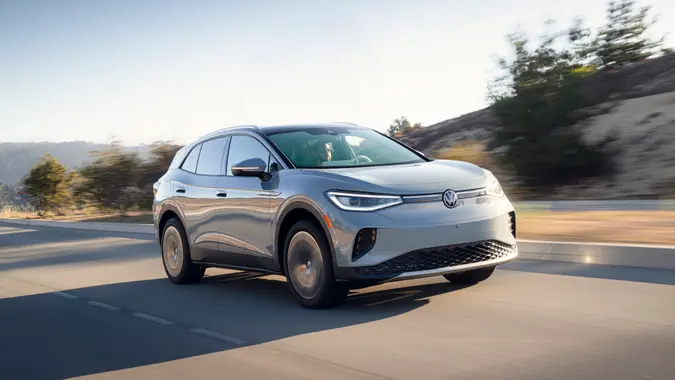
It’s European
That stylish European car may look classy, but it will cost you in the long run. Auto industry expert Melanie Musson with AutoInsurance.org sees it time and again.
“European cars have their perks, but they’re infamous for costly repairs. They tend to have frequent issues, and the parts are expensive and sometimes hard to source,” Musson said.
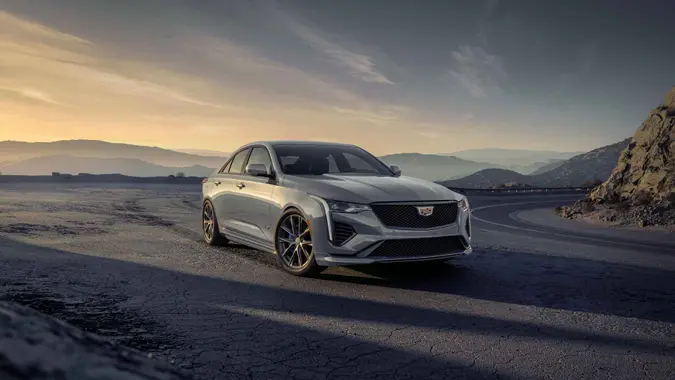
It’s a ‘Luxury Car’
Some cars require pampering, and that gets expensive fast.
“Luxury cars often require special oil changes that are two or three times more expensive,” added Musson. Brakes, fluid flushes and tires also cost more than those same services on an average car.”
Fast Price Depreciation
When a model loses value quickly, that often indicates poor dependability and high ownership costs. Musson urges buyers to compare car models’ depreciation using tools like CarEdge.com.
“Cars that depreciate quickly tend to need more maintenance and have more problems than average,” she noted.
Beyond indicating lower ownership costs, cars that hold their value well will also help you sell for the best price if you decide to upgrade your car before it kicks the bucket.
Everything Is High-Tech
Advanced electronic systems, digital dashboards and driver-assistance features look great to buyers but their complex design drives up maintenance costs when sensors or modules stop working.
Auto mechanic Alan Gelfand of German Car Depot warns buyers against chasing overly-computerized cars.
“We see vehicles come in where a single failed headlight assembly costs over $1,000 because of built-in LEDs or adaptive lighting,” according to Gelfand.
Specialty or Limited Production Models
The less common a car is, the more it costs to maintain. Hard stop. When vehicles share few parts with other models, that makes the replacements harder to find — and more expensive.
“It’s hard to source parts for low-volume and discontinued models,” Gelfand notes. That not only drives up the cost of repairs but also the time your car spends languishing at the shop.
Turbocharged or Supercharged Engines
While they deliver great performance, turbocharged engines add complexity.
“Turbo engines generate higher temperatures while performing additional work,” Gelfand explained. “That results in faster component deterioration of cooling systems, gaskets and turbos.”
That in turn leads to more frequent repairs required, more time in the shop and higher ownership costs for the driver.
More From GOBankingRates