5 Types of Vehicles the Middle Class Should Stay Away From Buying in 2026
 Written by
Laura Bogart
Written by
Laura Bogart
 Edited by
Kristen Mae
Edited by
Kristen Mae

Commitment to Our Readers
GOBankingRates' editorial team is committed to bringing you unbiased reviews and information. We use data-driven methodologies to evaluate financial products and services - our reviews and ratings are not influenced by advertisers. You can read more about our editorial guidelines and our products and services review methodology.

20 Years
Helping You Live Richer

Reviewed
by Experts

Trusted by
Millions of Readers
At long last, after years of faithful service, it’s time to retire your trusty automobile. Living on a middle-class income, you understood the value of keeping a car until you absolutely could not. Now, you must send your beloved set of wheels off to that garage in the sky and find a new four-door chariot — on a budget.
Unfortunately, you’re not exactly sure which vehicles are smart long-term buys and which ones middle-class shoppers should avoid. Whether they’re overpriced for what they deliver, prone to breaking down, or hiding other future issues, these lemons can leave a sour taste in your budget.
To learn more about the kinds of vehicles middle-class consumers shouldn’t purchase in 2026, GOBankingRates let some auto and consumer experts take the wheel on which vehicle purchases tend to strain middle-class budgets the most.
1. Used Luxury Cars No Longer Under Warranty
The prospect of pulling a Mercedes-Benz or BMW into your driveway and making the neighbors a little jealous is tempting. Now, you’ve found a model that’s been knocked down in price. Who cares if it’s not covered by a warranty anymore? It’s affordable. This must be a sign, right? According to Alan Gelfand, owner of German Car Depot, that lower sticker price can be misleading.
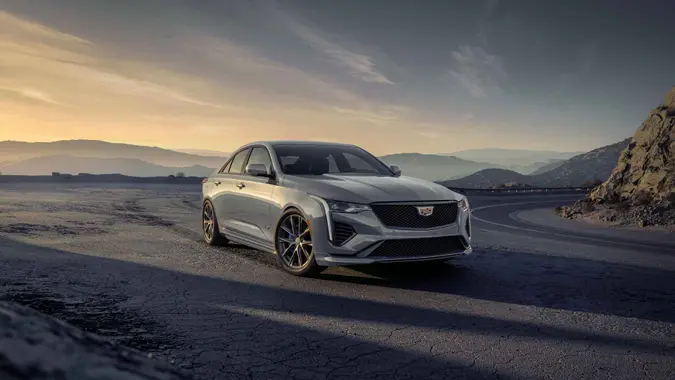
He says middle-class consumers should steer clear of all used luxury cars that aren’t covered under warranty — especially German or British models or any with complex systems.
“There are several luxury vehicles, including older BMW and Mercedes-Benz models, at reduced prices following their initial market entry,” he said. “The problem is that the manufacturers receive initial depreciation benefits, which result in high repair expenses that become due at later dates.”
In other words, while these vehicles lose value quickly, the cost to fix and maintain them doesn’t — leaving second or third owners on the hook for expensive repairs.
Gelfand added that air suspension systems, electronic modules and other high-tech components are especially prone to failure over time.
“Middle-income families typically lose much of their savings paying for an essential repair of one of these unreliable systems,” he said.
2. Large SUVs and Trucks
Gelfand’s warning against large SUVs and full-size trucks comes with a caveat: Some households genuinely need them. But if the giant pickup truck you bought “just in case” you encounter rough terrain becomes your everyday commuter, you could be creating a major financial roadblock for yourself.
“The purchase price of full-size SUVs and large pickups, together with their insurance rates, poor fuel economy, and expensive tires, brakes and suspension parts, make them more expensive to own over time regardless of how much they’re driven,” he said. “Vehicle maintenance expenses combined with insurance costs will turn these vehicles into financial burdens.”
A better option might be a midsize SUV or crossover, which provide more cargo space at lower long-term costs.
3. Early-Generation Electric Vehicles
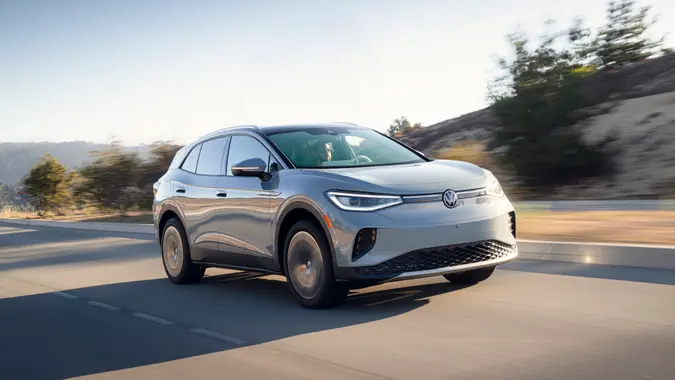
If an electric vehicle made between 2019 and 2021 catches your eye, Ryan Salata, marketing director of Specialty Auto Parts USA Inc., wants you to think twice. He cautions against first- and second-generation electric vehicles, as battery technology has improved significantly and resale value on early EV models can be volatile.
“A 2020 Chevy Bolt cost $37,000 new but now sells for $14,000 — a depreciation of 62%,” he said. “Instead, buy brands such as Honda, Toyota or Mazda.”
Salata suggests more dependable models, such as a three-year-old Accord, Camry or Mazda6. He says these vehicles typically sell for $24,000 to $28,000 and are generally dependable for at least 200,000 miles. Along the way, you can expect relatively minimal maintenance, making them far more ideal for a middle-class shopper.
4. Cars With Frequent Customer Complaints
When you’re car shopping online, it’s easy to get distracted by images of yourself cruising down the freeway in your sleek new vehicle. But Joanna Clark-Simpson, head of consumer research at the PissedConsumer.com review platform, says middle-class buyers should spend just as much time reviewing complaint patterns.
“The biggest red flag isn’t a single defect,” she said. “It’s when a problem turns into a long cycle: repeat dealership visits, slow or confusing service steps, and disagreements about what the warranty should cover. We also see a lot of frustration tied to electrical or software issues, plus billing and fee disputes.”
Based on complaints the platform received in 2026, Clark-Simpson says middle-class shoppers should think carefully before purchasing poorly reviewed models from Chevrolet, Tesla, Nissan, Toyota, Jeep and Honda.
“Middle-class shoppers shouldn’t ignore these patterns, because the real cost often isn’t just the repair itself,” she said. “It’s downtime, missed work, rental or towing expenses, and weeks or months of uncertainty when the fix isn’t straightforward or the warranty decision isn’t clear. This doesn’t mean shoppers should avoid these brands altogether. It means treating the purchase as higher risk and planning the budget accordingly.”
5. Sports Cars
Nobody will deny the appeal of a sports car. But as an everyday person whose job doesn’t involve jet-setting around the globe as a super-spy, do you really need one? That’s the question Melanie Musson, auto industry expert at AutoInsurance.org, wants you to consider before blowing your savings on a sports car Steve McQueen would have loved.
“Sports cars tend to depreciate quickly, making them more of a luxury purchase rather than a practical one,” she said. “They also don’t handle well in adverse weather conditions, so they don’t make sense as everyday commuter vehicles.”
The Bottom Line
As a middle-class consumer, affordability, reliability and long-term value matter more than flash. Steering clear of vehicles that come with higher ownership risks or unpredictable costs puts you in a stronger financial position, not just today, but for years to come.
More From GOBankingRates