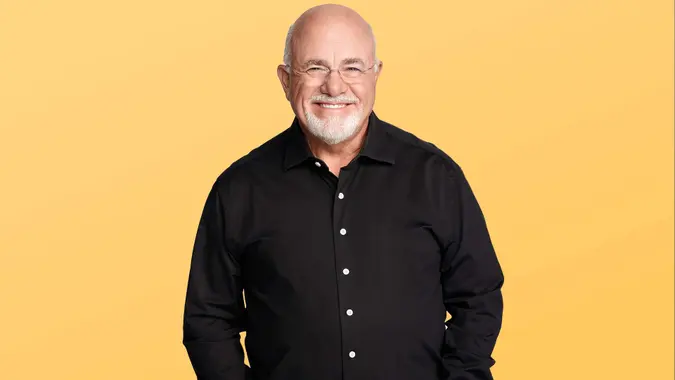
George Kamel Reacts to 7 Things Broke People Say
 Written by
Ashley Donohoe
Written by
Ashley Donohoe
 Edited by
Zuri Anderson
Edited by
Zuri Anderson

Commitment to Our Readers
GOBankingRates' editorial team is committed to bringing you unbiased reviews and information. We use data-driven methodologies to evaluate financial products and services - our reviews and ratings are not influenced by advertisers. You can read more about our editorial guidelines and our products and services review methodology.

20 Years
Helping You Live Richer

Reviewed
by Experts

Trusted by
Millions of Readers
A recent YouGov survey found that only 43% of Americans reported having financial security, with many concerned about their income, rising costs and emergency savings.
While uncontrollable events like a major sickness or job loss can leave you broke, it’s also common to end up in that situation due to poor spending decisions justified in different ways.
In a recent YouTube video, money expert George Kamel reacted to a YourTango article with things that broke people who overspend often say. Here are seven highlights from the list and Kamel’s advice.
They Deserve It
People commonly make unwise decisions because they feel like they deserve something they really can’t afford. Believing you deserve that fancy vacation or car, you might take out debt to cover the cost. Unfortunately, this can easily lead to a paycheck-to-paycheck lifestyle that hurts your financial stability and long-term goals.
“What you really deserve is freedom and options and margin and breathing room, and that only comes with delayed gratification — saving up, paying for things in cash and not owing other people money,” Kamel said.
The Money Will Come Back
Some people don’t treat overspending seriously since they believe that everything will somehow eventually work out. Maybe you think you’ll see a big income increase, receive a windfall or significantly cut expenses sometime in the future.
However, Kamel’s conversations with older broke callers have shown him that things usually don’t work out that way. He explained that it’s important to develop good money habits, including practicing delayed gratification and to gain control of your finances today.
They Prefer Enjoying Life Now
Young adults can especially fall into the trap of spending money to enjoy today and ignoring the impact on their retirement goals, home-buying plans and other future financial decisions. Intuit’s 2025 Prosperity Index also showed that 69% of young adults believed that planning for long-term goals was unrealistic given the current financial environment.
Since the you-only-live-once (YOLO) mindset can easily lead to instability and stress, Kamel recommended, “Figure out how to enjoy your life now without living beyond your means, and if you can’t do that, dig deeper and go, ‘Why do I need to spend money to enjoy my life?'”
They’ll Pay It Off Later
The recent Ramsey Solutions’ State of Personal Finance study found that 68% of Americans were at least a little concerned about their debt levels. However, many are still taking out debt to cover their overspending, with the excuse that they’ll deal with it later.
There’s no guarantee your future finances will allow for making those debt payments, so Kamel said it’s wiser not to borrow the money. You’ll avoid the frustrations that come with giving up future income and paying interest on stuff you bought long ago, and you can better focus on having money for your future goals.
They’re Making an Investment
This doesn’t refer to buying stocks, real estate or other actual investments. Instead, you might view expensive luxuries, like a gadget or resort getaway, as investments. While Kamel said necessary medical-related things like therapy are worthwhile, think twice before splurging on other things.
“It’s important to invest in things that actually keep you going, that keep you going to work, keep your income up,” Kamel explained. “But this idea that you’re just going to invest in everything because it makes you feel good — don’t agree.”
It’s No Big Deal
Whether it’s someone commenting about their credit card use or excessive online purchases, some people play down valid concerns or tell the other person off to avoid feeling bad about their choices. This is true even if they know deep inside they have an overspending problem.
Kamel said the smart choice is to recognize your problem and its negative effects, such as debt payments that stress you out and reduce your margin and options for growing wealth. Hopefully, this will motivate you to rein in your spending and pay down debt as soon as you can.
They’re Better Off Than Most Others
Financial comparison can lead you to justify bad spending decisions. For example, you might make the excuse that your car payment is cheaper or your income is higher than that of many other people. However, Kamel said that comparison is unhealthy and can lead to false comfort.
He advised, “Run your own race, set your own goals and then try to do better than yourself from the day before versus your friend down the street who has a completely different life.”
More From GOBankingRates