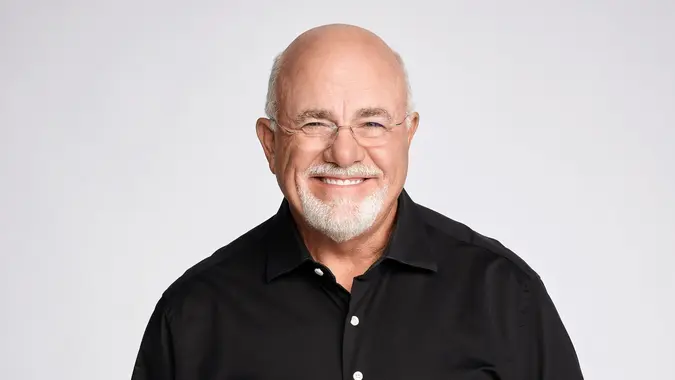
Jaspreet Singh: Do These 5 Things on Payday To Save Your First $100K
 Written by
Cindy Lamothe
Written by
Cindy Lamothe
 Edited by
Gary Dudak
Edited by
Gary Dudak

Commitment to Our Readers
GOBankingRates' editorial team is committed to bringing you unbiased reviews and information. We use data-driven methodologies to evaluate financial products and services - our reviews and ratings are not influenced by advertisers. You can read more about our editorial guidelines and our products and services review methodology.

20 Years
Helping You Live Richer

Reviewed
by Experts

Trusted by
Millions of Readers
It seems like a very big feat — growing your savings to six digits — but according to money guru, Jaspreet Singh, it’s actually doable. It just takes certain steps to get there.
“If you want to save your first $100,000, you don’t need to live like you’re broke and only eat rice and beans for the rest of your life. But there are five things you need to do when you get paid,” he expressed recently on his Minority Mindset YouTube channel.
Here they are below, and he advises doing them as soon as you are able. For more of Singh’s tips, check out what he thinks about investing in real estate right now.
Create 3 Separate Bank Accounts
“The reason why I want you to do this is because each one of us have different things that we’re good at,” Singh said in the video. “For example, I’m good at how I spend my money. I can control my spending very easily but I’m not very good at controlling my eating. Like food, when there’s food in front of me, I want to eat it. So, to stop me from eating, I don’t have the food in front of me or I’ll just eat whatever’s there.”
If you want to control your spending, Singh said the first thing you need to do is create three separate bank accounts. One account is going to be for your spending, another will be for your investing, and the third will be for your savings. “The reason you want to do this is so you don’t accidentally spend your investing money. Because now it’s out of sight, out of mind.”
Singh explained that once you get paid, you should automatically have funds transferred from your main “spending account” into your investing and savings ones.
Know How Much Money You Can Spend vs. Invest/Save
According to Singh’s 75/15/10 plan, for each dollar you earn, 75 cents is the maximum you can spend, 15 cents is the minimum you invest, and 10 cents is the minimum you save. For many, trying to allocate your income can seem challenging, but Singh asks you to reframe it.
“I want you to think of it this way, if the government announced tomorrow that there’s going to be a new 25% tax on your income, what are you going to do? You’re going to kick, scream, complain, cry, and then, you’re going to figure out how to pay it.”
He continued, “Now what you’re doing is you’re not giving money to the government, you’re giving money to yourself — to make yourself rich. What wealthy people do is pay yourself first.”
Let Your Money Make You Money
“When you’re putting your money to invest, this money is supposed to grow,” Singh highlighted.
He explained that when you keep allocating funds into your investments, that percentage will keep growing each year — ultimately allowing your money to make you more money. And if you’re working toward a raise, you can also raise the amount you set aside for investing and savings.
“The two most common places you can invest your money is into stocks and into real estate,” he stated. Singh recommended people invest in index funds or ETFs. This way you’re not investing in individual companies, but instead, a group of stocks. “You want to create a system where you’re automatically buying some of these stocks for the long term.”
He stressed that what’s important is your longevity. No matter if the market is booming or crashing — you keep buying.
After stocks, Singh said real estate is his favorite place to invest. “When you’re buying real estate, you’re buying something tangible.”
He added that when you invest in property to rent, that rent will likely cover all your expenses including property tax, insurance, maintenance and management fees — and may even put some money in your pocket as well.
Manage Your Spending and Saving
“The reality is, your savings are not going to make you wealthy,” Singh emphasized. “And your savings are probably going to lose value to inflation.”
Ideally, you want to have anywhere from 3 to 12 months of expenses saved, but Singh noted that this range is big because it all depends on where you are in life.
“If you’re young and don’t have any financial responsibilities, you have more freedom to be more risky and maybe you can take on more risk — so you might only need a few months of expenses worth saved up,” he said.
On the topic of spending, he explained that a typical belief people have is that if you can buy something, that means you can afford it. But he believes the reality is actually the opposite.
For example, if you have $100 in your account, you might think you can go out and buy a $500 iPhone and pay it off monthly. But the reality is if you can’t afford to buy it all now — you really can’t afford the payments either.
“You’re going to have to control the way you spend your money,” said Singh. “If it doesn’t put any money in your pocket, don’t use debt to buy it.”
Earn More Money
“If you want more money going into all of these buckets, you need more money flowing in,” the money expert advised.
Singh said that while there’s a limit to how much money you can spend, there’s no limit to how much you can earn. To do this, you may need to get creative and work to create a side business or a start a side hustle.
Ultimately, Singh noted that if you want to save your first $100,000, you’re going to have to start changing what you do. “If you start opening your mind to the possibility that you can earn more money, you might start taking actions for how to earn more money.”
More From GOBankingRates