4 Lesser-Known Tax Breaks Seniors Can Use To Maximize Refunds
 Written by
Jamela Adam
Written by
Jamela Adam
 Edited by
Rebekah Evans
Edited by
Rebekah Evans

Commitment to Our Readers
GOBankingRates' editorial team is committed to bringing you unbiased reviews and information. We use data-driven methodologies to evaluate financial products and services - our reviews and ratings are not influenced by advertisers. You can read more about our editorial guidelines and our products and services review methodology.

20 Years
Helping You Live Richer

Reviewed
by Experts

Trusted by
Millions of Readers
When you think about tax breaks for seniors, Social Security and retirement accounts probably come to mind first.
But beyond the basics, there are a few lesser-known tax rules that can help older adults reduce their tax bill. So if you’re retired or approaching retirement, here are tax breaks worth having on your radar.
A Higher Standard Deduction for Seniors
Seniors age 65 and older can now take an additional $6,000 deduction on top of their standard or itemized deductions, based on changes from the One Big Beautiful Bill. And since many seniors no longer itemize deductions, this increase is one of the easiest ways to reduce your tax bill without doing anything extra.
The Credit for the Elderly or Disabled
To qualify for the Tax Credit for Elderly or Disabled, you must be either at least 65 years old by the end of the tax year or disabled, meaning you meet specific criteria like being permanently and totally disabled before retirement. Depending on your situation, the credit can be worth anywhere from $3,750 to $7,500 before applying income thresholds.
If you qualify, you’ll need to complete Schedule R. Part one starts with questions about your age and disability status. If you’re disabled, you’ll verify your medical condition in part two.
Tax-Free Social Security Benefits — in Some Cases
A lot of people don’t realize that Social Security income isn’t always taxable.
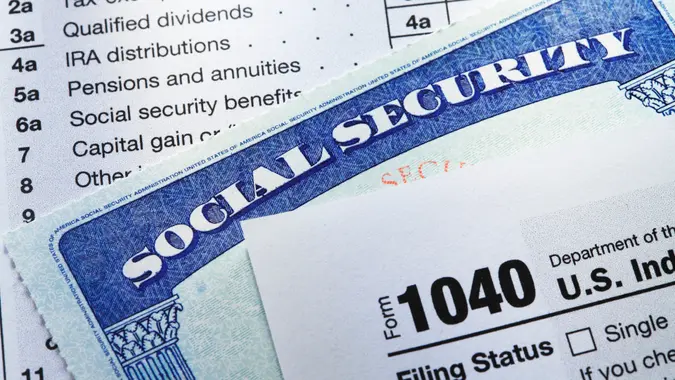
Whether your benefits are taxed depends on your combined income, which includes your adjusted gross income, nontaxable interest and half of your Social Security benefits.
From there, the IRS uses income thresholds to determine how much, if any, of your benefits are taxable. For example, if you’re a single filer with a combined income below $25,000 (or $32,000 for married couples filing jointly), your Social Security benefits typically won’t be taxed at all. As your income goes above those levels, up to 50% or even 85% of your Social Security benefits may become taxable.
Medicare Premiums Tax Deduction
If you become self-employed after you retire, you can deduct the premiums you pay for Medicare Part B and Part D, as well as the cost of Medigap policies or Medicare Advantage plans.
You can deduct these expenses whether or not you itemize. That said, you can’t claim this deduction if you’re eligible to be covered under an employer-subsidized health plan offered by either your employer or your spouse’s employer.
More From GOBankingRates