I’m a Tax Preparer: The Refund Error That Triggers IRS Letters Most Often
 Written by
Lydia Kibet
Written by
Lydia Kibet
 Edited by
Kristen Mae
Edited by
Kristen Mae

Commitment to Our Readers
GOBankingRates' editorial team is committed to bringing you unbiased reviews and information. We use data-driven methodologies to evaluate financial products and services - our reviews and ratings are not influenced by advertisers. You can read more about our editorial guidelines and our products and services review methodology.

20 Years
Helping You Live Richer

Reviewed
by Experts

Trusted by
Millions of Readers
You filed your taxes, got a refund, and later received a letter from the IRS stating that was an error. These letters are often the result of small, avoidable errors. And once the IRS flags your refund, it can delay it, reduce it, or even lead to penalties.
GOBankingRates spoke to Katrina Martin, an enrolled agent and founder of Wow Tax and Advisory Service, who shared three common refund errors that trigger IRS letters most often and what you should do to avoid them.
Earned Income Tax Credit Errors
The Earned Income Tax Credit (EITC) is one of the most valuable tax breaks for low- and moderate-income individuals and families. The IRS approximates that 25% of the claimed EITC credits offered in 2018 were improper payments. Such errors make EITC one of the most closely reviewed credits by the agency.
“Since the EITC credit is a refundable credit that puts money into taxpayers’ pockets, it’s always heavily scrutinized by the IRS,” Martin said. “It has to pass a lot of requirements to ensure a taxpayer qualifies for the maximum amount.”
Most errors occur because a claimed child doesn’t meet the requirements relating to relationship, age, residency, and filing status. Others include when more than one person claimed the child, the Social Security number and the name don’t match the card, and incorrect income is reported.
Unreported Income
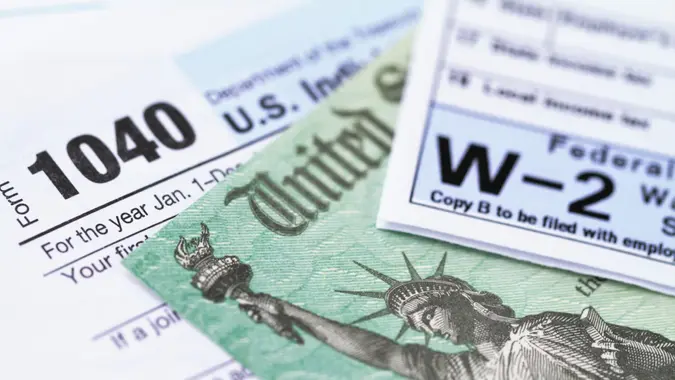
Forgetting to report all your income is another common trigger. This often happens when you file your taxes before receiving all tax forms. Every W-2 and 1099 form sent to you is also sent to the IRS.
“When you file, they eventually match up the return you provide with the forms they’ve received. When it doesn’t match, you get a letter later in the year that states your return has been recalculated with unreported income,” Martin noted.
Simply wait until you’ve received every tax document before you file.
Excessive Business Losses
Claiming business losses each year can also draw the attention of the IRS, especially if your business never shows a profit. The IRS may question whether your activity is a business or a hobby.
“If you have a business that’s making little to no money year over year, yet has lots of losses and expenses, it can trigger an IRS letter,” Martin said. “You need to show that you’re in business to earn a profit and not just to fund a hobby.”
The IRS uses the “3 out of 5 rule,” which states that your business needs to show a profit in at least three of the last five years.
More From GOBankingRates