8 Things the Middle Class Should Stop Paying For in 2026
 Written by
Virginia Anderson
Written by
Virginia Anderson
 Edited by
Molly Sullivan
Edited by
Molly Sullivan
Commitment to Our Readers
GOBankingRates' editorial team is committed to bringing you unbiased reviews and information. We use data-driven methodologies to evaluate financial products and services - our reviews and ratings are not influenced by advertisers. You can read more about our editorial guidelines and our products and services review methodology.

20 Years
Helping You Live Richer

Reviewed
by Experts

Trusted by
Millions of Readers
If 2025 was a financial doozy for your middle-class household, 2026 offers an opportunity to shrug off unnecessary expenses and realign your budget. Think of it as physical fitness for your finances.
Not sure where to start? Consider some of these items that come with inexpensive price tags but can add up over time. Eliminating them from your monthly purchases can save you money that can be better spent on other things that add real value.
1. Greeting Cards
- Average savings: $3-$10+ per card
Birthdays, holidays and graduations are often celebrated with a greeting card. These cards include images and messages designed with the recipient in mind. The problem? They’re expensive! If you have a large family and friend base, these cards could set you back several hundred dollars annually.
Instead of buying individual cards for every occasion, consider purchasing an assortment box. These often include generic cards you can personalize with your own message at a much lower price. Even better, you won’t have to worry about running to the store when an event comes up. You’ll already have a card on hand.
2. Fitness Memberships
- Average savings: $40-$70 per month
Many people kick off the new year with fitness goals, such as losing weight or bulking up. Key to the plan may be a gym membership — but is it really necessary? It depends on how much you use it and whether you’re into other options that could yield the same fitness results.
For example, you could try walking more or purchasing some hand weights to use in your home. Other low-cost (or free) options include hiking, running and yoga. You can even find fitness videos online, some of which may not require any gym equipment at all.
3. New Books
- Average savings: $15.99-$18.99 per book
If you’re a book lover, you’ve likely noticed an uptick in book prices in recent years. It’s not your imagination — publishers are charging more in response to material shortages in paper and card stock. As a result, you may pay $10 more per book than you would have a decade ago.
To cut down on costs, buy used books from local thrift stores and garage sales. You can also try your local library, which is totally free.
4. Subscription Services
- Average savings: Varies
It seems like there’s a subscription for everything these days — meals, makeup, movies, video games and even pet supplies. And while these subscriptions provide convenience, they’re not always useful. Especially if it’s for something you used once and completely forgot about afterward.
Take a few minutes to review your recent bank statements and highlight any subscriptions you don’t use. Then cancel them! You may be surprised by how much you save.
5. Food Delivery Apps
- Average savings: Up to 79.5% per order
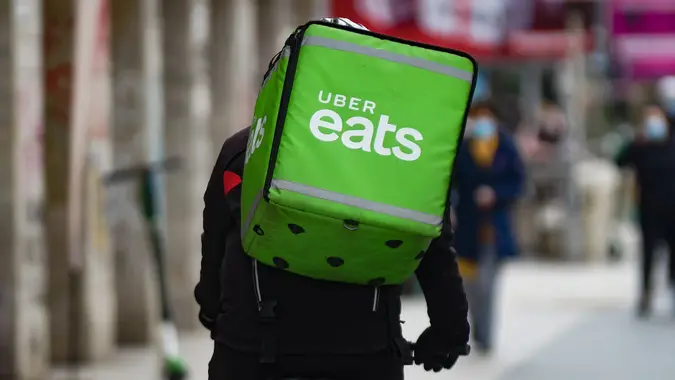
Long workdays and family responsibilities can make it hard to prepare fresh meals during the week. Food delivery apps can ease some of the burden with convenient options from your favorite restaurants. However, apps charge a commission, fees and other surcharges that can triple the cost of your order. A better option is takeout, which eliminates the additional costs while still helping you avoid the hassle of preparing dinner.
6. Vitamin and Health Supplements
- Average savings: Varies
Online fitness influencers promote various vitamins and other supplements designed to help you achieve certain health goals, such as boosting energy or improving sleep. But you can meet most daily vitamin requirements from the food you eat, without any need for a pill. Unless you’ve been advised to take a supplement by a health professional, think twice before adding an expensive bottle to your shopping cart.
7. Clearance Rack Items
- Average savings: Varies
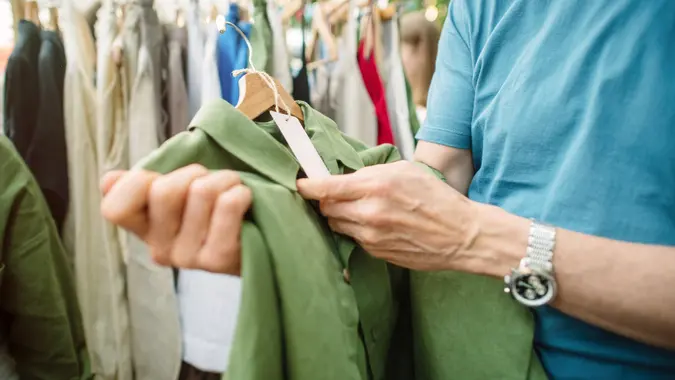
Discount stores often have bargain bins and clearance racks with deeply discounted goods. These items can be priced down by 50% or more, which may induce you to buy. However, before taking advantage of a clearance item, make sure it’s something you’ll use. If it’s just a good deal, take a pass and wait for something you really want.
8. Random Small Kitchen Appliances
- Average savings: $35+
When was the last time you broke out your home ice cream maker for a pint of butter pecan? Or used a food dehydrator to make trail mix? If you have these appliances — but rarely use them — consider skipping the specialty kitchen aisle the next time you’re at the electronics store. Not only will it save you money, but it can also conserve valuable kitchen space.
More From GOBankingRates