The Best and Worst Types of Cars for Resale Value in 2026, Plus 5 Things To Consider Before You Trade In or Buy New
 Written by
G. Brian Davis
Written by
G. Brian Davis
 Edited by
Rebekah Evans
Edited by
Rebekah Evans
Commitment to Our Readers
GOBankingRates' editorial team is committed to bringing you unbiased reviews and information. We use data-driven methodologies to evaluate financial products and services - our reviews and ratings are not influenced by advertisers. You can read more about our editorial guidelines and our products and services review methodology.

20 Years
Helping You Live Richer

Reviewed
by Experts

Trusted by
Millions of Readers
Thinking of getting a new car (or a new-to-you car)?
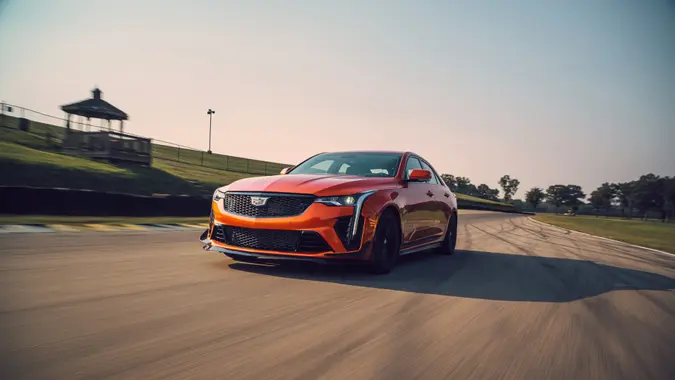
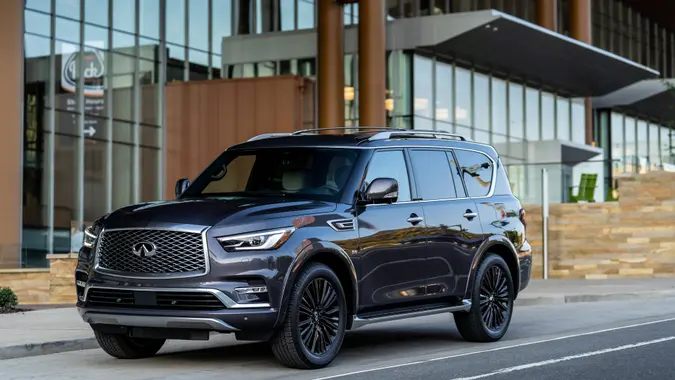
Trucks, hybrids and sports cars retain their value best over time, as demonstrated by Kelley Blue Book’s (KBB) top 10 list. Meanwhile, electric vehicles (EV) and large luxury vehicles melt off value like snow in summer, as reported by Pod Energy. This begs the question: Why do some cars retain their value so much better than others?
Below are five things to consider before you trade in your car or buy new.
Reliability and Life Expectancy
Used car buyers want as many good years and miles in front of them as possible. “If you’re buying a used car with 100,000 miles, you’ll spend more on a car likely to reach 300,000 miles than you would for one only likely to reach 150,000 miles,” said Melanie Musson, auto expert with AutoInsurance.org.
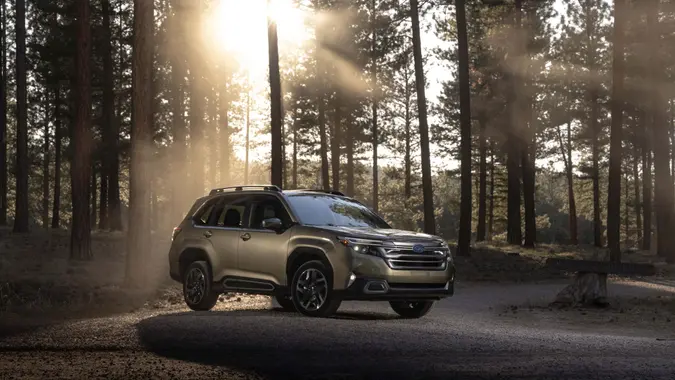
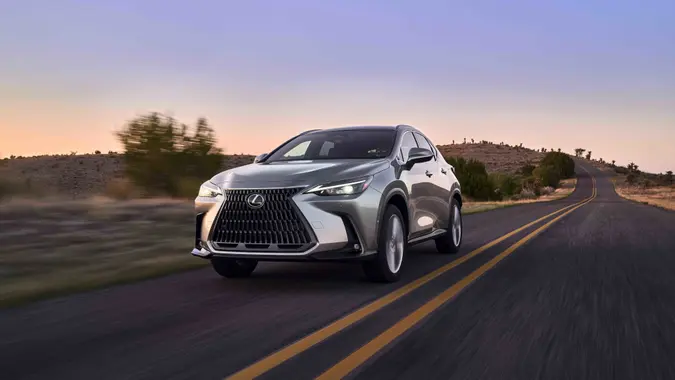
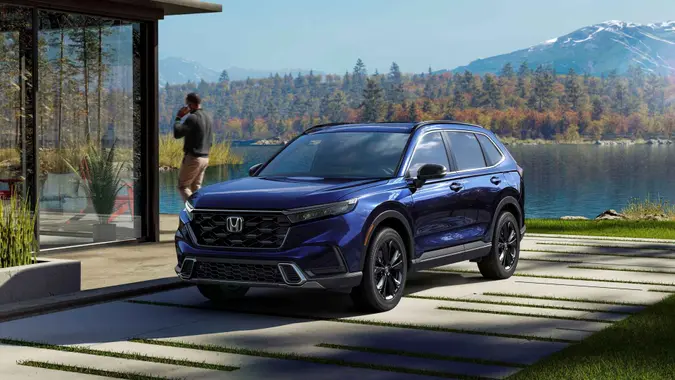
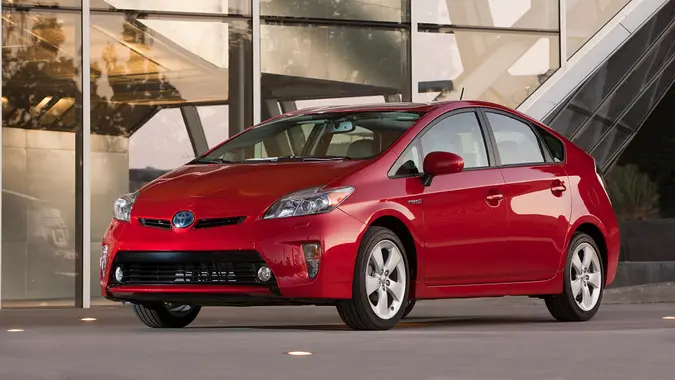
It’s little wonder why Toyotas, Lexuses, Hondas and Subarus retain their values so well. They top Consumer Reports‘ reliability rankings and consistently rank well year after year.
Maintenance Costs
Yes, reliability impacts future maintenance costs. But it’s not the only factor in the equation.
“Cars with an extensive service network, affordable parts and simple drivetrains hold their value best because they cost so much less to maintain than complex luxury cars with uncommon parts and few expert mechanics,” explained Mechanic Alan Gelfand of the German Car Depot.
Remaining Battery Lifespan for EVs
Electric vehicles lose value faster than their gas-powered counterparts, surrendering 57.2% of their value in five years, according to ISeeCars.com.
Why? Because their batteries lose range every year that goes by and cost more than some new cars to replace. Battery lifespans are shorter than most gas-powered car engines, averaging just eight to 12 years per Car and Driver.
Fuel Economy
Continuing the theme of cost of ownership, used car buyers tend to favor hybrids and cars with strong gas mileage.
“Among everyday cars such as family vehicles, cars with great fuel economy retain their value better,” Gelfand added.
Demand Among Enthusiasts
Not every driver buys for everyday use. Some specialty cars retain their value for reasons completely unrelated to fuel economy or maintenance costs.
“Off-road enthusiasts pay a premium for rugged, dependable and durable vehicles like the Toyota Tacoma and 4Runner because they can withstand harsh conditions and still continue to run well for many years,” Gelfand said.
Likewise, Simon Grannville sees a pattern play out with the luxury and supercar fleet he rents and sells through Nero Line. “In the supercar segment a manual gearbox can add 15% to 25% to resale versus the same car with a PDK, because the inventory is shrinking every year,” Grannville said.
If you’re buying a specialty car as an enthusiast, look at the specific factors that drive up used model prices before buying new. Your future self will thank you when it comes time to sell.
More From GoBankingRates