4 Vehicles Retirees Should Trade In Before Depreciation Hits
 Written by
Josephine Nesbit
Written by
Josephine Nesbit
 Edited by
Zuri Anderson
Edited by
Zuri Anderson
Commitment to Our Readers
GOBankingRates' editorial team is committed to bringing you unbiased reviews and information. We use data-driven methodologies to evaluate financial products and services - our reviews and ratings are not influenced by advertisers. You can read more about our editorial guidelines and our products and services review methodology.

20 Years
Helping You Live Richer

Reviewed
by Experts

Trusted by
Millions of Readers
Depreciation is the natural decrease in a vehicle’s value over time and is determined by wear and tear, market demand and age. This is usually why used cars are cheaper than newer cars of the same model, but some depreciate faster than others.
And if you never plan to sell or trade it in, then you shouldn’t have to worry.
“You only suffer depreciation if and when you either trade in or sell your current vehicle, so if you never trade it in or sell it you never have to worry about how much it has depreciated,” explained Zach Shefska, CEO at CarEdge. “So, as a retiree or anyone else, just hold onto your vehicle and drive it until the wheels fall off and you will never have to worry about depreciation.”
But if you don’t plan to keep the car forever, here are vehicles retirees should get rid of now before depreciation hits, according to car experts.
Tesla Model S
“Electric vehicle prices are trending down. When new-car prices go down, so do used-car prices,” Melanie Musson, auto industry expert with AutoInsurance.org, wrote in an email. “So, before EV prices get slashed any further, it might be a good time to trade in your Model S.”
And according to Ryan Salata, marketing director of Proform Parts, this could apply to most electric vehicles, especially if you purchased a model several years ago.
“Fast improvements in battery technology mean that older models with 250-mile ranges will quickly look second-rate compared to new ones that go more than 350 miles,” Salata explained. “We need to sell these cars before range anxiety turns off potential buyers.”
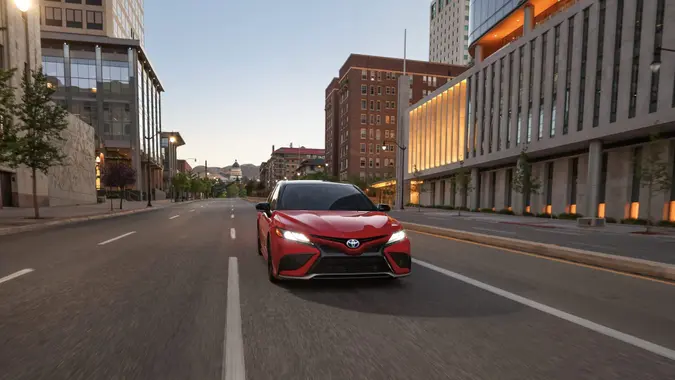
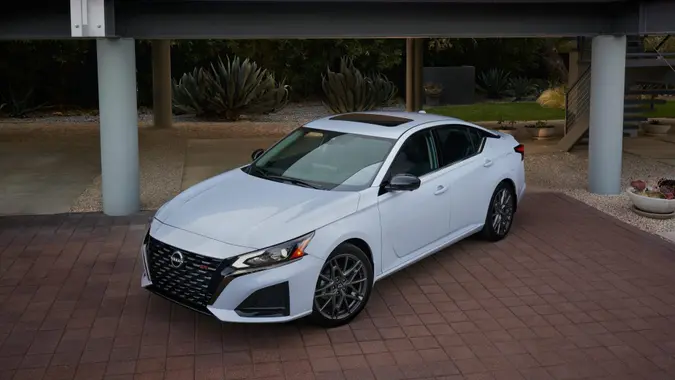
Nissan Altima
“Car buyers are generally more interested in SUVs, and the Altima is losing popularity,” Musson wrote. “Now is a good time to sell, as it’s likely to continue depreciating faster than other vehicles.”
There were talks of discontinuing the Nissan Altima, but the Japanese automaker recently announced a 2026 version, USA Today reported. Motor1 pointed out that it is surprising that Nissan is keeping the Altima for another year, as sales for the sedan are down 12% for the year, after falling 11% in 2024.
Cadillac CT4
“The 2026 model year will be the CT4’s last, so now is a good time to sell,” Musson claimed. “It’s still a relevant car. In another year, it will likely feel more outdated simply because it won’t be manufactured anymore.”
According to a Cadillac brand spokesperson, the company has made adjustments to its portfolio to meet customer demand, including retiring the CT4 and CT5 to make room for the brand’s next-generation ICE vehicle, its all-electric lineup, Edmunds reported.
Luxury Sedans
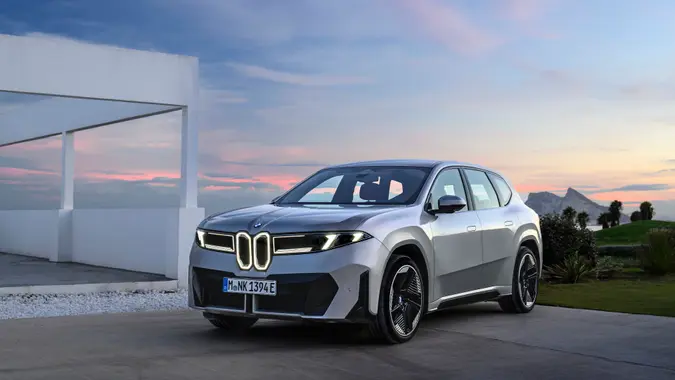
“Luxury sedans over five years old are depreciation disasters for retirees on fixed incomes,” Salata said. “BMW 5 Series, Mercedes E-Class and Audi A6 models from 2018 to 2020 have already lost 55 [to] 60% of their original value and still face expensive maintenance bills.”
Not only do luxury vehicles typically have a higher upfront cost, but ongoing expenses can be pricey as well. For instance, BMW models average about $16,000 in maintenance and repair costs during the first 10 years of service, according to CarEdge. This exceeds the industry average by more than $4,000. There’s also a 47.3% chance that it will require a major repair during that time.
More From GOBankingRates